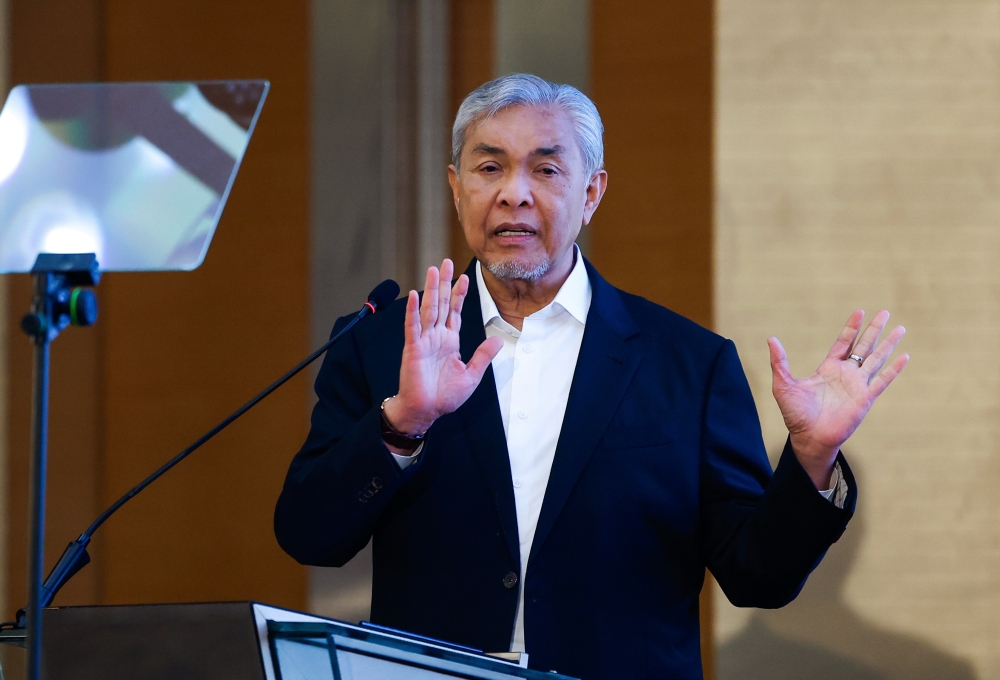
Deputy Prime Minister Datuk Seri Zahid Hamidah has called for the scope of the Royal Commission of Inquiry into Tabung Haji to be broadened to examine not only the events that triggered the pilgrimage fund's difficulties but also its subsequent recovery efforts. Speaking in Seremban on July 30, Zahid indicated that the Cabinet had endorsed this expanded approach, recognising that a comprehensive assessment requires scrutiny of how the institution has addressed its challenges following the initial crisis period.
The proposal marks a significant shift in how Malaysia plans to investigate one of the country's most significant institutional failures. Tabung Haji, which manages savings and investments for over 8 million Malaysians preparing for the Hajj pilgrimage, faced substantial losses in recent years stemming from problematic investments and questionable financial decisions. By extending the RCI's mandate to include recovery measures, policymakers appear to be signalling their commitment to understanding the full trajectory of the crisis—from its origins through the remedial steps taken to restore the fund's health and reputation.
This approach reflects growing acknowledgement among Malaysia's leadership that institutional inquiries serve a dual purpose. While investigating what went wrong remains essential for accountability and prevention of future misconduct, examining the recovery phase is equally important for assessing whether management and regulatory interventions have genuinely addressed underlying weaknesses. For a fund serving Malaysia's Muslim majority—many of whom view their Tabung Haji savings with deep personal significance—transparency about how the institution is rebuilding trust carries profound implications beyond mere financial recovery.
The expansion of the RCI's investigative scope could prove particularly valuable given Tabung Haji's complexity as an institution. The fund operates at the intersection of religious obligation, personal savings, government policy, and investment management. Understanding both the crisis and the recovery allows the RCI to evaluate whether governance structures, investment oversight, and regulatory frameworks have been genuinely reformed or merely reshuffled. This becomes especially relevant as Malaysia seeks to strengthen its institutional resilience amid an increasingly complex global financial environment.
Zahid's proposal also carries implications for ongoing efforts to restore public confidence in Malaysian financial institutions. The Tabung Haji situation has touched millions of ordinary Malaysians whose retirement and spiritual aspirations became entangled in the fund's troubles. By demonstrating that recovery measures are themselves subject to rigorous independent scrutiny, the government can help convince affected savers that lessons have been learned and that systemic failures are not being swept aside. This transparency is crucial for rebuilding the trust that was fractured when losses mounted.
The timing of this proposal is noteworthy, coming as Malaysia continues managing the aftermath of several major institutional crises. The expansion of the RCI mandate suggests that policymakers have absorbed lessons from previous inquiries, recognising that investigating only the immediate causes of problems often leaves fundamental questions about institutional transformation unanswered. A recovery-inclusive approach positions Malaysia to conduct more thorough institutional autopsies, potentially yielding insights applicable to other sectors and agencies facing similar challenges.
From a Southeast Asian perspective, Malaysia's approach to the Tabung Haji investigation may influence how other regional governments conduct institutional reviews. As economic complexity increases across the region, the capacity to investigate not only crises but also recovery mechanisms becomes increasingly valuable. Malaysia's experience could set a precedent for how developing economies balance the need for accountability with constructive assessment of remedial efforts, rather than treating inquiries as purely retrospective blame exercises.
The Cabinet's endorsement of the expanded RCI scope also underscores tensions within institutional governance that merit examination. How investments were selected, who authorised questionable financial decisions, and why internal safeguards failed all remain critical questions. Yet equally important are questions about how new investment committees operate, whether monitoring has genuinely strengthened, and whether structural incentives have changed. The recovery phase is not merely epilogue to the crisis narrative—it is the period during which institutions either genuinely reform or simply perform reform for public consumption.
For Malaysian savers and Hajj pilgrims, the implications of this extended RCI scope are substantial. Many individuals affected by Tabung Haji's losses have legitimate questions not only about how losses occurred but also whether those responsible face meaningful consequences and whether the institution's current management genuinely has capacity to protect their savings going forward. An RCI that examines recovery measures can provide clarity on these critical concerns, potentially helping affected Malaysians make informed decisions about their ongoing participation in the fund and their confidence in its future direction.
The proposal from Zahid, while appearing procedural on the surface, reflects deeper questions about institutional accountability in Malaysia. By insisting that recovery periods themselves warrant independent scrutiny, the Deputy Prime Minister is essentially arguing that institutions cannot simply declare problems solved and move forward. Instead, solving institutional crises requires transparent, extended examination of how fixes are implemented and whether they address root causes or merely surface symptoms. This philosophy, if consistently applied across Malaysian institutions, could substantially elevate the standard of institutional governance and public accountability throughout the country.

