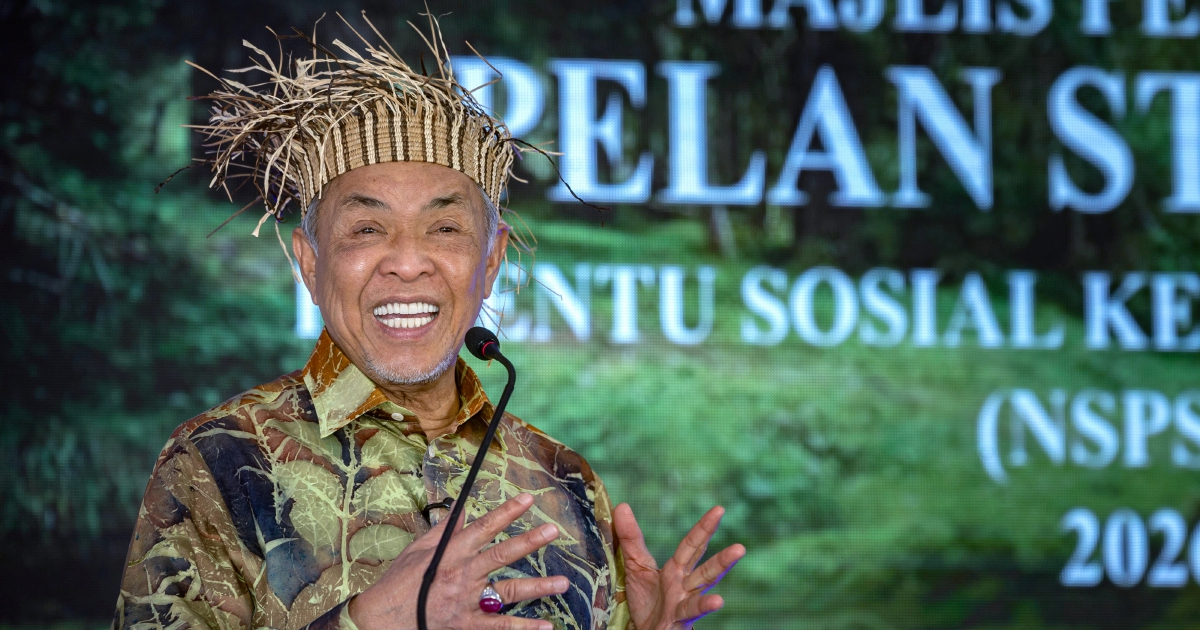
The political landscape in Melaka is shifting as the state prepares for its next electoral contest, with party leadership consolidating decision-making authority in the hands of the Chief Minister. At a gathering in Gerik, senior party officials made clear that Datuk Seri Ab Rauf Yusoh holds the mandate to pursue cooperation frameworks with any political coalition that emerges as a viable option, marking a significant delegation of negotiating power ahead of what promises to be a closely contested election.
This decision carries substantial weight within Malaysia's coalition politics, particularly given the fractured nature of the country's political landscape in recent years. By vesting full authority in the Chief Minister, the party leadership demonstrates confidence in Ab Rauf's judgment while simultaneously centralizing control over a process that could reshape Melaka's governance structure. The move reflects broader strategies employed by major coalitions to streamline decision-making during sensitive pre-election periods, when multiple constituencies within party structures might otherwise vie for influence over crucial negotiations.
The significance of this mandate extends beyond mere procedural authority. Ab Rauf's position as incumbent Chief Minister gives him considerable leverage in any negotiation scenario. He brings practical experience managing state affairs, established relationships with both federal and state-level politicians, and an understanding of local constituencies and voter sentiment. These advantages position him as a credible interlocutor whether the eventual cooperation involves traditional coalition partners or represents a novel political arrangement addressing current circumstances.
Melaka's electoral history demonstrates the volatility of state politics at the peninsular level. The state has experienced multiple transitions of power and shifting coalition configurations, making it a microcosm of Malaysia's broader political uncertainty. This background suggests that negotiations ahead of the upcoming election will likely be complex, potentially involving multiple parties or faction within established coalitions. The grant of authority to the Chief Minister implies that party leadership wants flexibility to respond to developing political scenarios without requiring constant consultation or approval from higher bodies.
The timing of this announcement carries implications for broader coalition dynamics. In Malaysian politics, such authorizations typically precede intensified negotiations, signaling to potential partners that the designated negotiator can deliver binding commitments. Other coalitions will likely interpret this move as preparatory groundwork, indicating that Melaka's electoral contest will soon become active. This creates a window during which various political forces assess their positions, weigh potential alliances, and prepare their own negotiating strategies.
For Malaysian voters watching state-level politics, this development underscores how elections at this level often involve complex behind-the-scenes arrangements rather than straightforward contests between established coalitions. The flexibility granted to Ab Rauf suggests that the party leadership recognizes the fluid nature of current politics and wants to preserve options rather than committing prematurely to a particular arrangement. This pragmatism reflects lessons learned from previous electoral cycles where rigid alliances proved disadvantageous.
The delegation of such authority also reflects internal party confidence dynamics. By publicly granting the Chief Minister full negotiating mandate, party leadership sends both an external signal to potential partners and an internal message to party members that Ab Rauf enjoys institutional support. This can strengthen his position in negotiations, as other parties understand that agreements reached with him carry the backing of senior leadership. Simultaneously, it places responsibility on the Chief Minister to deliver outcomes acceptable to the broader party structure.
Regional considerations cannot be overlooked in analyzing this development. Melaka's geographic position within peninsular Malaysia and its demographic composition make it strategically important for any coalition seeking to build majority support at federal level. Success or failure in Melaka state elections influences broader perceptions of coalition viability and popularity, often serving as barometers for subsequent federal-level contests. This reality elevates the stakes surrounding pre-election cooperation negotiations, making the choice of chief negotiator particularly consequential.
The policy implications of expanded negotiating authority merit consideration as well. Depending on which coalition partners Ab Rauf ultimately negotiates with, the resulting political arrangement could influence state governance priorities, budget allocations, and policy directions across education, infrastructure, and economic development portfolios. Voters facing the upcoming election should recognize that cooperation agreements often involve not just seat allocations but substantive commitments regarding state administration and resource distribution.
Moving forward, observers should monitor whether this mandate translates into announced cooperation frameworks. The pace and nature of negotiations will indicate how serious various political forces regard the upcoming election and whether existing coalitions prove resilient or whether new configurations emerge. Ab Rauf's performance during this negotiation phase will significantly influence his standing within his party and his prospects for continued leadership following the election.
The broader context of Malaysian politics suggests that such negotiations typically involve careful calibration of multiple interests and considerations. The Chief Minister must balance the preferences of his own party leadership, the expectations of potential coalition partners, and strategic calculations about which alliances best position both his party and his state for success. The authority granted to him appears designed to enable precisely this kind of nuanced, responsive decision-making.

