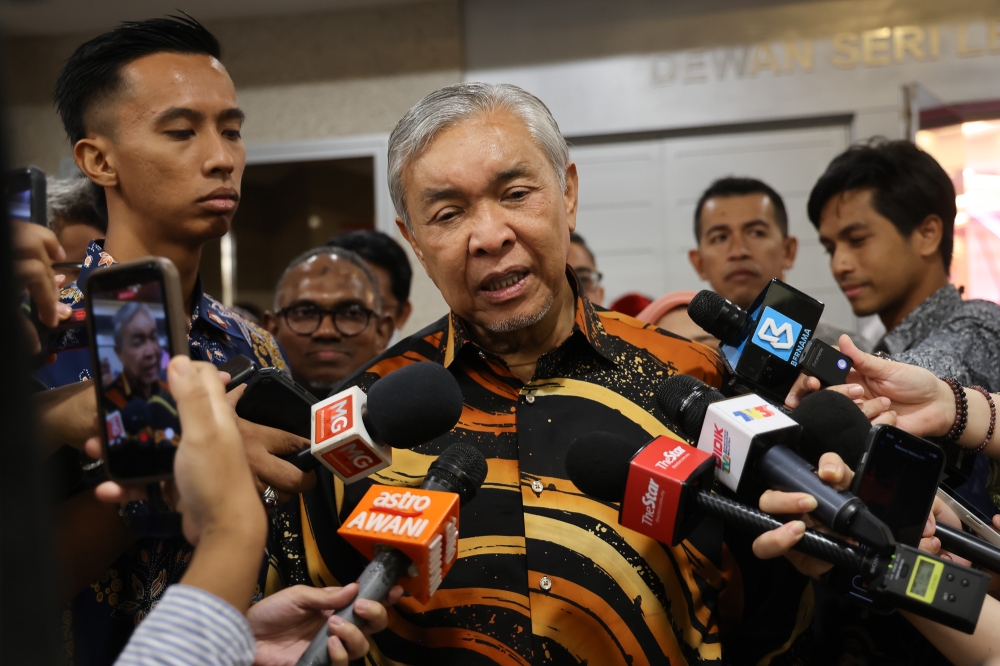
Deputy Prime Minister Zahid Hamidah has moved swiftly to distance his administration from the mounting controversies surrounding Tabung Haji, declaring in Putrajaya that those responsible for the Islamic pilgrimage fund's mismanagement will face full legal consequences. Speaking with notable firmness, Zahid underscored that neither Barisan Nasional nor Umno would countenance any betrayal of public confidence, positioning accountability as a cornerstone of his government's governance agenda.
The Tabung Haji affair represents one of the most significant challenges to institutional integrity facing Malaysia's majority-Muslim nation. The fund, which serves as a savings mechanism for approximately 9 million Malaysians preparing for their Hajj pilgrimage, accumulated substantial losses through a combination of poor investment decisions and alleged improper management over several years. The scale of the mismanagement has prompted intense scrutiny from both domestic observers and international commentators monitoring corporate governance standards across Southeast Asia.
Zahid's pronouncement carries particular weight given his position as the primary architect of Umno's stabilisation efforts following the party's near-collapse after the 2018 electoral defeat. By prioritising accountability in this instance, the Deputy Premier signals that his coalition intends to differentiate itself from the governance patterns that contributed to public disillusionment during the previous administration. The rhetoric suggests a deliberate pivot toward transparency and consequence, even when such measures might implicate individuals with established political connections.
The investigation into Tabung Haji's affairs has expanded considerably, touching upon fund investments, related-party transactions, and potential conflicts of interest among senior management and board members. Regulatory authorities have accelerated their examination of how billions in assets were deployed and whether proper oversight mechanisms existed to prevent losses. The transparency demanded by Zahid reflects mounting pressure from affected Malaysians whose retirement savings have been significantly diminished through the mismanagement.
For regional observers, Malaysia's handling of the Tabung Haji scandal carries broader implications. The nation's credibility as a financial centre within Southeast Asia depends substantially on demonstrating that institutional lapses result in genuine consequences rather than political protection. Neighbouring countries and international investors monitor closely how Malaysia addresses white-collar misconduct, particularly involving large sums of public money and sacred trust funds. The outcome of accountability proceedings will substantially influence confidence in Malaysian financial institutions and governance practices.
The political dimension cannot be overlooked, as several individuals facing scrutiny maintain connections to various Umno factions and competing power centres. Zahid's categorical stance minimises space for factional politics to interfere with investigations, though sceptics question whether genuine impartiality can be maintained within Malaysia's complex intra-party dynamics. Nevertheless, the Deputy Premier's explicit commitment reduces political cover for potential offenders and establishes clear expectations for institutional independence during prosecutions.
Zahid's Putrajaya statement also addresses the spiritual and cultural dimensions of the breach. Tabung Haji holds particular symbolic significance as a fund dedicated to facilitating one of Islam's five pillars, making its mismanagement a matter touching upon religious trust. Malaysian Muslims who contributed over decades with expectations of secure savings have experienced genuine harm, and many view accountability proceedings as restoring institutional sanctity. The Deputy Premier's language acknowledges this broader context beyond mere financial metrics.
The consequences facing those implicated extend beyond potential criminal prosecution to encompass civil liability, regulatory sanctions, and reputational destruction. Board members, executives, and investment advisors involved in questionable decisions may face disqualification from serving in regulated industries or public institutions. Asset recovery measures could attempt to claw back portions of losses, though the complexity of international transactions and the time elapsed since initial mismanagement complicate recovery efforts significantly.
Moving forward, Tabung Haji governance structures require comprehensive reformation. Independent oversight mechanisms, enhanced transparency requirements, and professional management standards will likely emerge from post-scandal regulatory reforms. The fund's restructuring offers an opportunity to implement best practices in Islamic finance governance, potentially positioning Malaysia as a leader in ethical financial management standards within the Muslim world. Such institutional improvements could partially redeem reputational damage incurred through the mismanagement scandal.
Zahid's accountability rhetoric must ultimately translate into substantive action through investigative rigour and prosecutorial determination. Malaysian observers and international monitors will assess whether political considerations ultimately constrain consequences or whether the Deputy Premier's pledge reflects genuine commitment to institutional accountability. The Tabung Haji inquiry will serve as a crucial test case for whether Malaysia's political system can prioritise institutional integrity over factional loyalty, with implications extending far beyond the pilgrimage fund itself into broader questions about governance standards and the rule of law.

