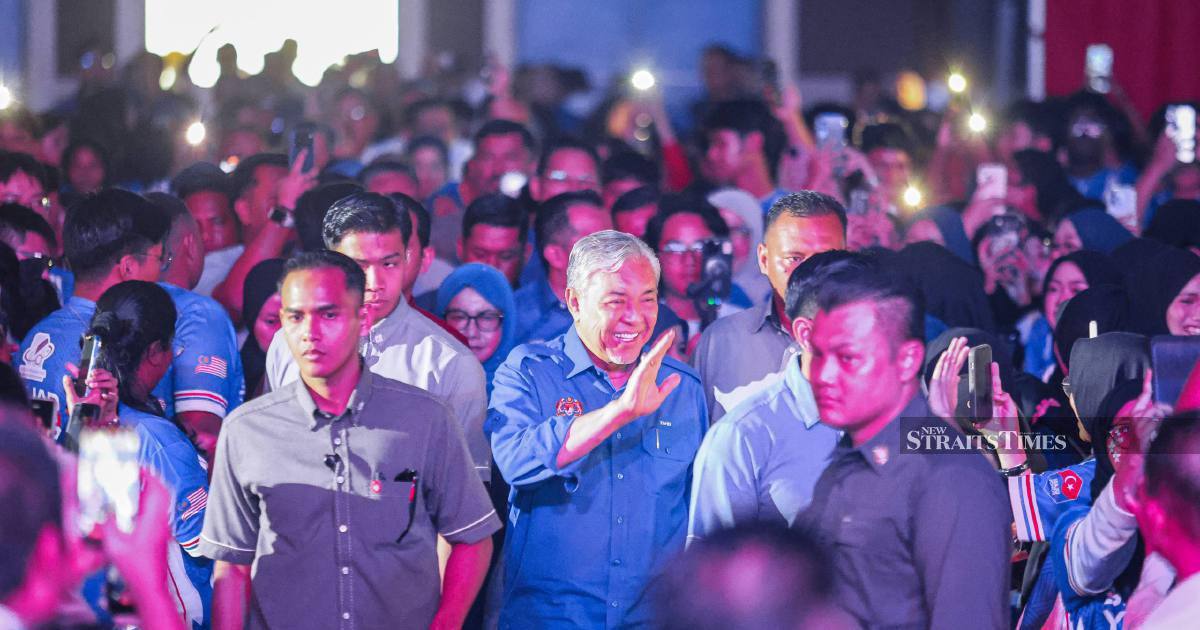
The Barisan Nasional coalition is placing considerable weight on generational support to secure victory in the forthcoming Johor state election, with Deputy Prime Minister Ahmad Zahid Hamidi making a direct appeal to youth voters to stand behind caretaker Menteri Besar Datuk Onn Hafiz Ghazi. Speaking in Iskandar Puteri, Zahid framed the July 11 election as a critical moment for the state's developmental trajectory, suggesting that continuity under BN's leadership with Onn Hafiz at the helm would be essential for Johor's progress.
The focus on youth mobilisation reflects a broader strategic calculation within BN, which recognises that winning over younger demographic segments remains essential for electoral success across Malaysia. By positioning Onn Hafiz as a symbol of youth-oriented governance, the coalition appears to be attempting to counter perceptions of being out of touch with younger voters' priorities. This messaging strategy also seeks to differentiate BN's vision from opposition parties by emphasising development and continuity rather than focusing solely on political change or anti-establishment narratives that sometimes resonate with first-time and young voters.
Onn Hafiz's role as caretaker menteri besar gives him institutional advantages and visibility during the campaign period, allowing him to showcase administrative accomplishments and policy initiatives directly to the electorate. The BN coalition is evidently banking on his ability to translate developmental achievements and proposed projects into tangible electoral support, particularly among voters who may be concerned with practical governance outcomes rather than ideological positioning.
Johor's political significance within the Malaysian federation cannot be overstated, as the state serves as an economic powerhouse and demographic centre that influences national political trends. The state election carries implications beyond Johor's borders, as a decisive BN victory would reinforce the coalition's grip on power and potentially stabilise the political landscape heading into future national contests. Conversely, a weakened BN performance could embolden opposition parties and trigger broader shifts in Malaysia's coalition structures.
Youth engagement in elections remains persistently challenging across Southeast Asia, with younger voters often demonstrating lower turnout rates than older demographic cohorts. By making an explicit appeal through Zahid's prominence, BN is attempting to overcome traditional barriers to youth participation. The coalition's strategy suggests recognition that winning the youth vote requires not merely policy proposals but inspirational leadership narratives that connect with younger citizens' aspirations for employment, education, and quality of life improvements.
The messaging around Onn Hafiz also reflects internal BN dynamics, where various faction leaders and state-level figures compete for prominence and resources. Elevating him as the coalition's representative for Johor's future signals support from the highest echelons of BN leadership, potentially strengthening his position within party hierarchies and ensuring adequate campaign resources and support from the broader coalition apparatus.
Johor's economic diversification efforts, infrastructure development, and investment initiatives would naturally feature prominently in BN's campaign narrative under Onn Hafiz's stewardship. Young professionals and entrepreneurs looking for business opportunities, job prospects, and innovation-friendly policies may respond positively to messaging that emphasises these developmental dimensions. The state's proximity to Singapore and its role as a logistics and manufacturing hub make it particularly relevant to younger workers navigating Malaysia's competitive job market.
Opposition parties will likely counter BN's continuity argument by presenting alternative visions and emphasising concerns about governance, transparency, or resource allocation. The electoral contest will ultimately depend on whether BN can successfully frame the election as a choice for continued progress or whether opposition narratives about the need for political renewal gain traction among voters. Youth voters in particular may be susceptible to messages about systemic reform or generational change, presenting challenges to BN's continuity platform.
The timing of Zahid's appeal also matters strategically, as early campaign messaging sets the tone for subsequent electoral discourse. By focusing on youth support and developmental achievements, BN is attempting to establish favourable narrative frameworks before opposition campaigns gain momentum. The coalition's coordination between national leadership like Zahid and state-level figures like Onn Hafiz demonstrates the integrated campaign apparatus that BN can mobilise, leveraging multiple political figures to reach diverse voter segments across the state.
Ultimately, Johor's election outcome will reflect broader patterns in Malaysian politics regarding coalition strength, generational voting preferences, and regional concerns about economic opportunity and governance quality. The explicit focus on engaging youth voters suggests that BN recognises electoral competition has intensified precisely among younger demographics, making targeted outreach efforts essential rather than optional for achieving decisive victory margins.

