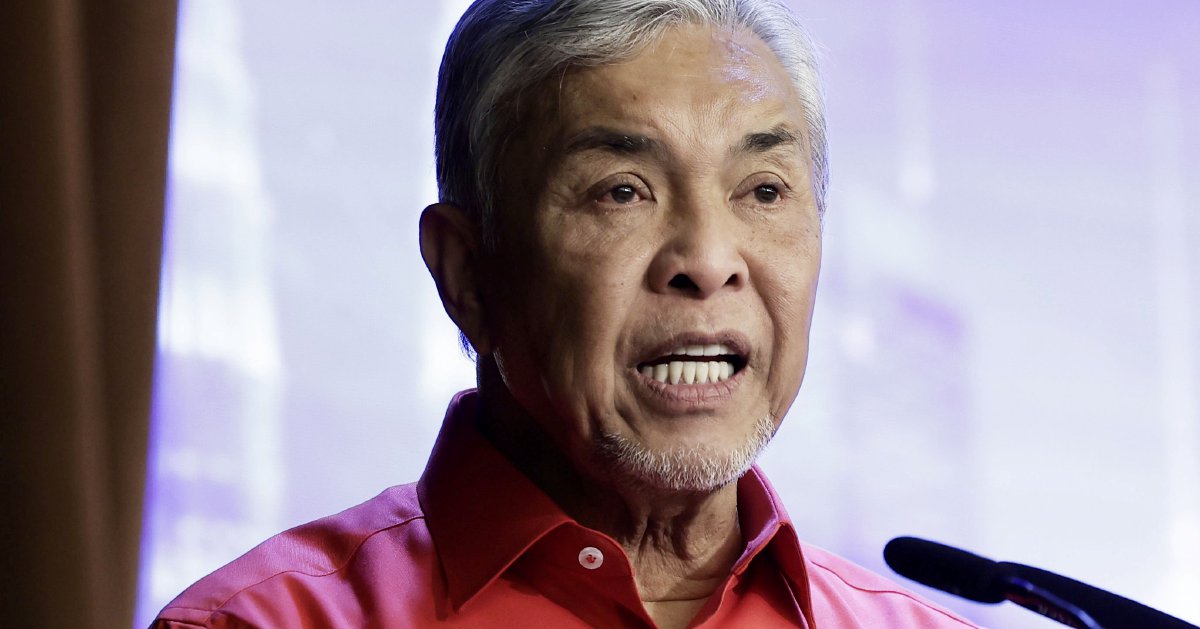
Deputy Prime Minister Datuk Seri Dr Ahmad Zahid Hamidi has made an impassioned appeal for Malaysian society to cease perpetuating unverified claims and suspicions about the management of Lembaga Tabung Haji, the nation's pilgrimage savings fund. In his remarks, Zahid stressed that public discourse must move beyond baseless assertions and instead be anchored in factual evidence, a position that reflects broader concerns about the institution's reputation and the need to restore public confidence in its operations.
Tabung Haji has faced considerable scrutiny in recent years, with various criticisms leveled at its financial performance, governance structures, and operational transparency. The institution, which manages savings for Malaysian Muslims intending to perform the Hajj pilgrimage, serves a crucial religious and financial role for over three million contributors nationwide. Its standing among the Muslim community directly influences confidence in a deeply significant religious obligation, making the credibility of its management particularly sensitive to public perception.
Zahid's intervention signals recognition within government circles that unsubstantiated narratives can accumulate into damaging impressions that undermine institutional legitimacy. The Deputy Prime Minister's call for evidence-based discussion reflects a broader policy imperative to separate factual concerns from speculative commentary in public forums. This distinction matters considerably for an institution handling funds held in trust for a religious purpose, where public confidence serves as a fundamental pillar of its operational viability.
The Tabung Haji controversy touches upon multiple dimensions of Malaysian governance. Questions about transparency in fund management, investment decisions, and administrative expenses have prompted various stakeholders to demand greater clarity. However, Zahid's position suggests that not all criticisms necessarily reflect documented problems, and that rhetorical overreach can obscure legitimate issues requiring proper investigation and resolution.
For Malaysian Muslims contemplating participation in the Hajj, the fund's reliability directly affects their ability to plan this cornerstone religious experience. Unverified claims about financial mismanagement or organizational dysfunction naturally create anxiety among contributors who depend on the institution's stability. Zahid's appeal essentially argues that such concerns warrant proper substantiation rather than circulation as unconfirmed allegations.
The Deputy Prime Minister's remarks also carry implications for media discourse and public communication standards in Malaysia. In an era of rapid information circulation through social media platforms, distinguishing between verified reporting and speculative commentary has become increasingly challenging. Zahid's intervention suggests government recognition that responsible public dialogue requires disciplines around evidence and verification, particularly concerning institutions managing substantial public assets.
Tabung Haji's operations extend beyond Malaysia, as it coordinates with Islamic authorities in Saudi Arabia and manages logistics for hundreds of thousands of pilgrims annually. Any institutional instability or reputational damage therefore carries potential diplomatic dimensions affecting Malaysia's relationship with the Kingdom. International standing in managing pilgrim services reflects the broader competence and reliability of Malaysian institutions serving the Muslim community.
The institution has undertaken various reform initiatives in response to earlier criticism, including changes in governance frameworks and management practices. These efforts suggest that while some concerns have prompted substantive institutional response, distinguishing between criticism that has driven genuine reform and speculation that merely circulates unverified claims remains important for public understanding.
Zahid's call for evidence-based discourse aligns with broader government commitments to institutional transparency and accountability. However, the statement also implies tension between demands for openness and concerns about excessive or unfounded allegations. This tension reflects a genuine governance challenge: institutions require legitimate space for critical examination while also needing protection from baseless reputational assault.
For ordinary Malaysians, particularly those with funds invested in Tabung Haji, the Deputy Prime Minister's remarks carry direct relevance. Contributors deserve accurate information about their savings' management, grounded in documented facts rather than rumor. Conversely, they also deserve institutions capable of operating with confidence in an environment where good-faith operational decisions are not perpetually questioned on speculative grounds.
The broader context includes Malaysia's ongoing efforts to strengthen institutional governance and public trust in government agencies. Tabung Haji's management forms part of this larger narrative about how Malaysian institutions maintain credibility while responding to legitimate oversight demands. Zahid's intervention suggests that government sees value in redirecting public conversation toward verifiable facts and away from what officials characterize as perception-driven criticism lacking substantive foundation.
Moving forward, the challenge for Tabung Haji involves simultaneously maintaining transparency that addresses legitimate concerns while establishing clearly documented practices that can dispel unfounded speculation. Public officials like Zahid appear committed to supporting this balance, though skeptics argue that genuine accountability requires vigorous public scrutiny rather than limitations on critical discourse. The resolution of this tension will significantly influence both the institution's future standing and broader discussions about institutional accountability in Malaysia.

