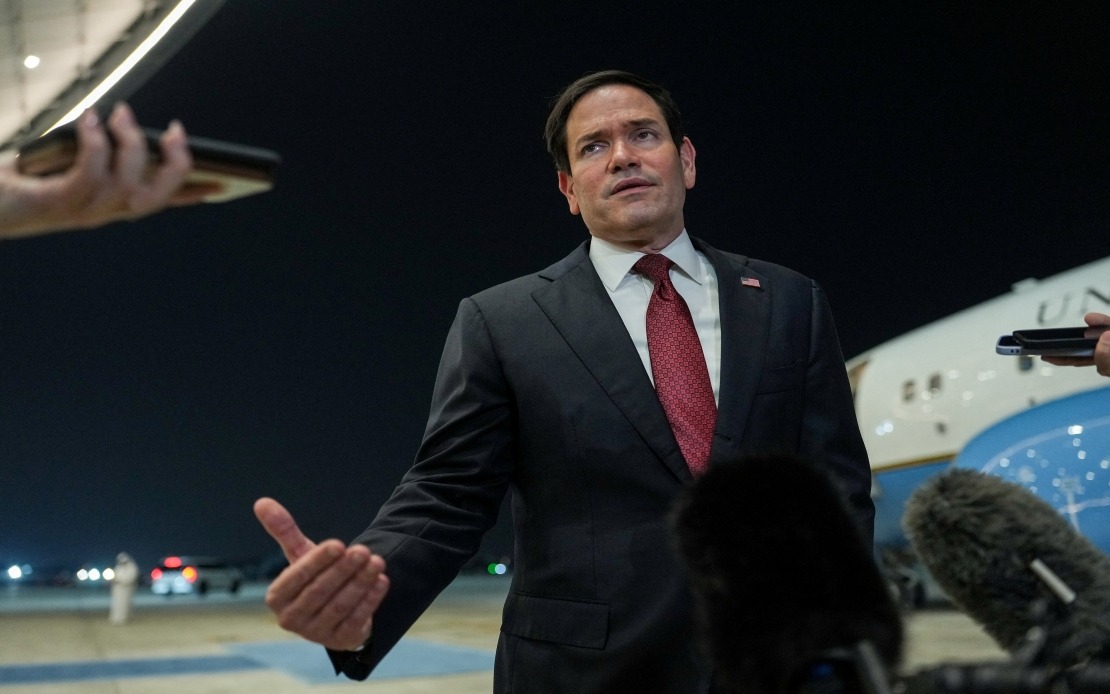
The United States and China are pressing ahead with plans for a high-level presidential visit despite mounting friction between the two superpowers, according to US Secretary of State Marco Rubio. Speaking to reporters on Sunday at Joint Base Andrews in Washington before embarking on a trip to Southeast Asia, Rubio indicated that preparations for Chinese President Xi Jinping's September visit to the United States remain firmly on schedule, with Beijing continuing to send advance delegations to coordinate logistics and protocol matters.
Rubio's reaffirmation comes at a particularly sensitive moment in US-China relations, following recent accusations from President Donald Trump that Beijing interfered in the 2020 American presidential election—a charge that China's government has flatly rejected. The alleged election interference claim represents one of several contentious issues that have strained bilateral ties in recent weeks, yet the confirmation that Xi's visit will proceed suggests both capitals remain committed to maintaining high-level diplomatic engagement despite their disagreements.
The planned visit, which Trump personally invited Xi to undertake during a May trip to Beijing, is scheduled for September 24 at the White House. The symbolism of such a visit carries considerable weight, signalling that despite fundamental policy disagreements and competitive dynamics in multiple domains, the world's two largest economies recognise the imperative of face-to-face dialogue between their leaders. The visit would represent one of the most significant diplomatic gestures between Washington and Beijing in recent years and would provide an opportunity for both leaders to address bilateral tensions directly.
When asked whether he had heard anything suggesting the visit might be jeopardised, Rubio stated plainly that he had received no such indications and saw no reason to doubt China's commitment to the September meeting. Chinese officials have apparently maintained active communication with their American counterparts throughout the planning process, continuing to dispatch teams responsible for the detailed groundwork that a presidential visit entails, from security arrangements to ceremonial protocols to substantive agenda-setting.
China's Foreign Ministry echoed this commitment, confirming through official channels that both nations remain in active contact regarding the scheduled visit later in 2025. This parallel messaging from Beijing underscores that despite the rhetoric and accusations emanating from Washington, Chinese leadership views the visit as a critical engagement that should not fall victim to short-term diplomatic spats or electoral politics.
Rubio's broader framing of US-China relations stressed a pragmatic acceptance of inevitable disagreements between major powers while emphasising the shared responsibility to preserve dialogue channels. He articulated the position that tensions and disputes between Washington and Beijing, while real and sometimes serious, should not derail the fundamental commitment to maintain functioning relations in the interests of both nations' populations and the broader international community. This approach reflects a recognition that unchecked deterioration in US-China ties carries risks extending far beyond bilateral interests, potentially destabilising the broader Indo-Pacific region and disrupting global supply chains and commerce.
The timing of Rubio's remarks is noteworthy given that he was departing for a meeting of Association of Southeast Asian Nations foreign ministers in Manila. The ASEAN gathering provides an immediate opportunity for diplomatic engagement and discussion, with senior representatives from both the United States and China likely to be present. Chinese Foreign Minister Wang Yi confirmed his attendance at the Manila meeting, scheduled to begin on Tuesday, presenting an early chance for both sides to signal continued engagement and explore areas of potential cooperation or understanding ahead of Xi's September White House visit.
For Southeast Asian nations watching the US-China relationship with considerable concern, the confirmation that high-level presidential diplomacy will proceed as planned offers some reassurance. The region has long sought to avoid being caught between competing American and Chinese interests and sees sustained dialogue between Washington and Beijing as preferable to escalating confrontation. An Xi visit to the United States, framed as a successful summit achieving some agreements or understanding on contentious issues, could contribute to a more stable regional environment and provide breathing room for ASEAN nations to pursue their own strategic interests.
The election interference allegations that Trump levelled against China represent a different category of accusation than the traditional great power competition over military capabilities, economic dominance, or regional influence. By continuing to advance Xi's visit despite these charges, both governments appear to be signalling that they will not allow domestic political narratives—even serious ones involving allegations of foreign interference—to completely derail the diplomatic machinery that underpins their relationship. This suggests a conscious effort by both capitals to compartmentalise disputes and maintain what international relations specialists refer to as managed competition.
The September visit will provide Trump and Xi with an extended opportunity to discuss a range of bilateral issues, from trade and technology restrictions to military posturing in the Taiwan Strait and South China Sea, as well as potential cooperation on transnational challenges such as pandemics, climate change, or terrorism. Whether the visit produces tangible agreements or merely reinforces both sides' commitment to communication remains to be seen, but the very fact that it is proceeding indicates that despite real disagreements, the relationship has not descended into the kind of diplomatic breakdown that would prevent top-level engagement.
For Malaysia and other ASEAN members, the trajectory of US-China relations carries direct implications for regional security architectures, trade flows, and the balance of influence in Southeast Asia. A US president and Chinese president willing to meet in person and engage in substantive discussions represents the minimal requirement for regional stability, even if such meetings do not resolve underlying strategic competition. Conversely, a complete breakdown in presidential-level diplomacy would likely accelerate regional countries' efforts to strengthen bilateral relationships with both powers while remaining officially non-aligned, a delicate balancing act that ASEAN has long perfected.

