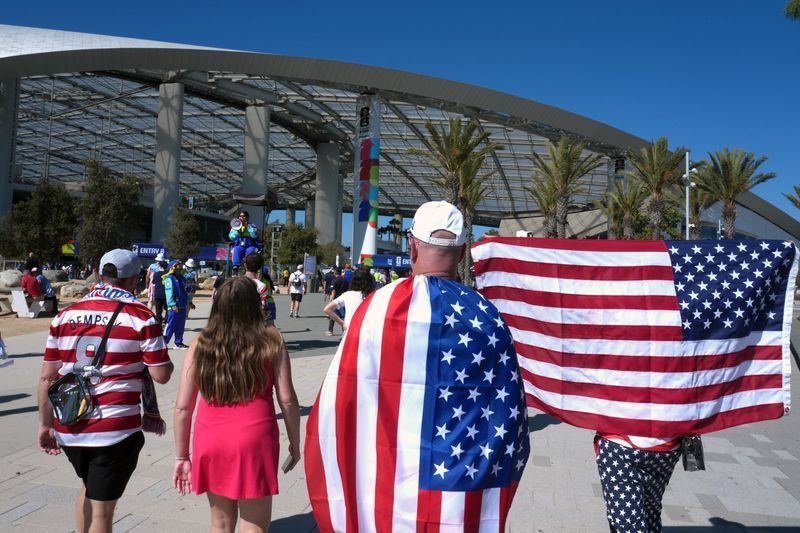
Weeks of anticipation turned to crushing disappointment for Jeremy Wright when StubHub cancelled his World Cup tickets just five hours before kickoff. Wright had purchased two seats for the Netherlands versus Japan match on June 14 through the American resale platform as a Christmas gift for his wife, Sarah. The couple had meticulously planned their journey from Austin to Dallas, only to receive an email informing them the tickets could not be delivered. Although StubHub claimed it would provide replacement tickets under its "FanProtect Guarantee," the platform ultimately offered only a refund when Wright attempted to claim the replacements. After hours of futile attempts to reach customer support, the Wrights abandoned their plans and drove back home in the rain, joining dozens of other betrayed ticket holders who took their grievances to social media.
The Wright family's experience is far from isolated. Similar tales of last-minute cancellations flooded social media across June as StubHub customers discovered their World Cup tickets had evaporated despite assurances from the platform that alternatives would materialise. Dacy Gillespie, a writer and personal stylist from St Louis, faced an identical predicament after purchasing four tickets to Argentina's match against Algeria as a surprise Christmas gift for her two children. She and her family drove approximately 250 miles to Kansas City only to receive notification on match day that the seller could not deliver. These instances collectively reveal a troubling systemic weakness in how resale platforms handle major sporting events, particularly when sellers operate under questionable practices.
StubHub operates as a resale-only platform and holds no tickets itself, making it dependent entirely on sellers to fulfil orders. The company's spokesperson emphasised that cancellations stem from seller delivery failures rather than platform mismanagement. However, the platform also acknowledged that FIFA's ticketing infrastructure has created obstacles for ticket transfers across all resale platforms, pointing to the governing body as a contributing factor to the chaos. This finger-pointing reflects the broader friction between FIFA, which has invested heavily in its official ticketing ecosystem, and secondary marketplaces that operate outside its direct control.
FIFA responded by insisting its ticketing platform operates reliably and urged fans to use only its official resale marketplace. The governing body levied a 30 percent commission on resale transactions through its platform, rendering tickets substantially more expensive than alternatives on StubHub or similar resale venues. FIFA framed this fee as aligned with North American industry standards and defended its platform as the sole mechanism through which proper ticket delivery could be guaranteed. Yet despite these assurances, many fans found FIFA's official platform confusing and cumbersome, driving them toward third-party options like StubHub where the purchasing process appeared more straightforward, even if the ultimate risk proved considerably higher.
Beneath these surface-level failures lies a problematic practice known as speculative ticketing, according to Scott Friedman, a ticketing expert who previously worked with the Cleveland Cavaliers and now runs the Ticket Talk Network. Speculative sellers list tickets they do not yet possess, banking on purchasing them later at a lower price to pocket the difference. Friedman likened the strategy to shorting the stock market. A seller might list a ticket six months in advance for 500 dollars, gambling they could acquire it for less and generate profit. However, World Cup ticket prices defied typical secondhand market dynamics by escalating as the tournament approached rather than declining, trapping speculators in a position where fulfilling orders would require purchasing at losses. This dynamic created an epidemic of unfulfilled orders as the tournament began.
StubHub's stated policies explicitly prohibit speculative ticketing, yet the practice persists with surprising ease. The platform does not mandate sellers to provide seat numbers when listing inventory, allowing what the industry terms "ghost tickets" to flourish unchecked. Wright's purchase exemplifies this vulnerability. He bought his tickets on September 6, 2025, merely four days before FIFA launched its initial official sales draw, a timeline strongly indicating the inventory originated from a speculator rather than an official source. His order confirmation documented only "Category 3" seating without specific seat assignments, a hallmark of ghost tickets.
When confronted about these vulnerabilities, StubHub maintained that it requires sellers to upload tickets or provide proof of purchase at listing time, with penalties including financial sanctions and account suspension for misrepresentation. This regulatory framework appears ineffective given the scale of cancellations witnessed. The platform has since created a dedicated World Cup support team and expanded its capacity to source replacement inventory following the wave of complaints. Yet these reactive measures arrived only after widespread reputational damage had already accumulated.
Public pressure and social media amplification proved instrumental in securing responses from StubHub. The Wrights and Gillespie only received satisfactory compensation after their stories went viral on social media, raising uncomfortable questions about equity in customer service. StubHub offered the Wrights complimentary semi-final tickets while extending Gillespie 3,000 dollars to offset her expenses purchasing replacement seats independently. However, both customers expressed frustration that they had to "raise holy hell" to receive attention, with Sarah Wright articulating a sobering observation: others affected by identical cancellations lacked the social media reach to secure comparable remedies, creating what she described as a "survivor's guilt kind of feeling."
The broader implications for StubHub extend beyond immediate customer dissatisfaction. Marsha-Gaye Knight, a clinical assistant professor at the NYU Tisch Institute for Global Sport, cautioned that these ticketing failures could inflict lasting damage to the company's brand reputation. The damage extends internationally, with the UK's markets watchdog recently ordering StubHub UK to refund over 50,000 customers and pay a 900,000 pound fine (approximately 1.19 million dollars) for failing to disclose total pricing upfront. This regulatory censure compounds the reputational peril generated by World Cup cancellations, suggesting the company faces mounting institutional and legal scrutiny.
For Southeast Asian readers considering purchasing World Cup tickets or navigating similar resale platforms for regional sporting events, the StubHub debacle offers crucial cautionary lessons. Resale platforms operating outside official channels present substantial risks when sellers employ speculative strategies, particularly for high-demand events where prices escalate rather than decline over time. Purchasing from official sources, despite higher commissions and potentially inferior user experience, provides the only genuine guarantee of ticket delivery. The World Cup crisis underscores how secondary ticketing markets can collapse when regulatory oversight remains minimal and seller accountability proves negligible.
Looking ahead, the World Cup ticketing chaos suggests that mega-event organisers must establish clearer frameworks governing resale platforms. FIFA's infrastructure appears adequate at scale, but the governing body should consider reducing commission rates to discourage fans from seeking cheaper alternatives on less reliable platforms. Simultaneously, resale platforms must implement more stringent verification mechanisms to prevent speculative listings, potentially requiring proof of ownership before permitting sales. Without such reforms, future international sporting events will likely witness similar cancellations and consumer disappointment.

