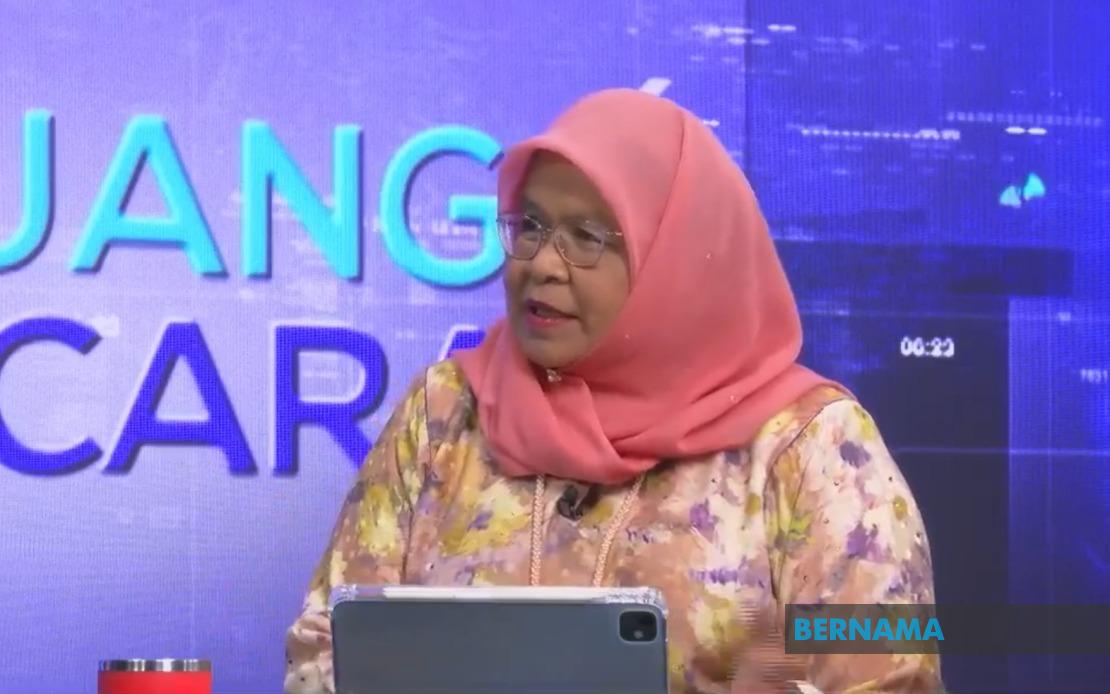
Empowering women to occupy positions of real influence requires far more than simply opening doors; it demands institutional backing, professional development, and a cultural shift in how their competence is perceived and valued. Datuk Seri Dr Maimunah Mohd Sharif, the Government's Sustainable Urban Development advisor and former Kuala Lumpur mayor, has articulated this multifaceted challenge, highlighting that women must be placed in decision-making roles where their insights and priorities can directly shape policy outcomes that affect communities.
The disconnect between female participation in education and their representation in leadership roles remains stark. Current data for 2025 reveals that while women constitute 56.4 per cent of total higher education enrolment, they account for merely 27 per cent of management positions across institutions. This gap underscores a persistent bottleneck where female graduates, despite outnumbering their male counterparts, encounter structural barriers that prevent them from translating their qualifications into senior roles where strategic choices are made.
At the national political level, the situation mirrors this broader pattern. Women presently hold 13.5 per cent of parliamentary seats and represent 16.1 per cent of Cabinet positions. These figures, whilst marginally above historical averages in some Southeast Asian contexts, fall considerably short of reflecting women's demographic share or their educational achievements. Maimunah's comment that gender should be irrelevant once capability is demonstrated strikes at the heart of the matter—if a woman possesses the skills, experience, and vision required, her gender ought to be immaterial to advancement.
The call to action extends beyond passive opportunity-seeking. Maimunah has urged women who are given chances to seize them actively and to invest in continuous learning. This framing places agency squarely with women themselves whilst simultaneously acknowledging that the system must provide the scaffolding within which that agency can flourish. The onus is shared: institutions must create openings and nurture talent, whilst aspiring leaders must prepare themselves rigorously for roles they seek.
Datuk Mona Suraya Kamarudin, non-executive independent director at Nomura Asset Management, brings practical insight from the financial sector, where merit theoretically dominates decision-making. She observes that women in finance often possess robust technical competencies but remain concentrated at mid-management echelons rather than advancing to executive or board-level positions. This clustering effect suggests that technical proficiency alone is insufficient—something else prevents progression, likely a combination of networking disadvantages, unconscious bias in promotion decisions, and insufficient targeted leadership development programmes designed for women.
Kamarudin's assertion that gender becomes irrelevant when financial acumen is demonstrated reflects an meritocratic ideal that, whilst increasingly true in competitive sectors, has not yet penetrated sufficiently into senior recruitment and succession planning practices. The finance industry, despite its data-driven nature, has not fully eliminated gender as a variable in advancement calculations. Addressing this requires deliberate interventions: mentorship programmes pairing rising female talent with established leaders, executive coaching tailored to women's specific challenges, and transparent promotion criteria that eliminate subjective assessments vulnerable to bias.
The role of targeted training and leadership development cannot be overstated. Generic management development programmes often fail to address the particular obstacles women face—from imposter syndrome and confidence gaps to navigating workplace cultures shaped historically by male norms and expectations. Structured programmes that build strategic thinking, executive presence, and crisis management capabilities, specifically designed with female participants' contexts in mind, can accelerate readiness for senior positions and boost confidence in tackling complex organisational challenges.
Family support emerges as a critical, often overlooked determinant of women's professional advancement. Kamarudin emphasises that balancing career ambition with family responsibilities remains a gendered burden; women disproportionately shoulder domestic and childcare expectations even as they pursue high-powered careers. Without genuine partner engagement, workplace flexibility, and broader societal normalisation of shared domestic labour, talented women face exhausting dual days that extract a toll on wellbeing and career trajectory. Organisations serious about female leadership retention must offer substantive flexibility—remote work options, parental leave policies applicable to all genders, and recognition that caregiving is a legitimate responsibility requiring accommodation.
The Malaysian context reflects broader Southeast Asian patterns where women's educational attainment has surged but labour market segregation persists. Female graduates populate fields like education, healthcare, and humanities whilst remaining underrepresented in engineering, technology, and senior management. This sectoral division perpetuates wage gaps and limits women's access to traditionally high-paying, influential roles. Policies encouraging female entry into STEM fields and technology sectors could gradually reshape the pipeline feeding into future leadership positions.
Cultural attitudes toward female authority require examination as well. Research consistently shows that women leaders face harsher scrutiny over decision-making whilst simultaneously being evaluated as less competent when they adopt assertive leadership styles deemed appropriate for men. Creating genuinely inclusive workplace cultures means educating all employees—particularly those in hiring and promotion roles—to recognise and counteract these double standards. Board diversity initiatives, whilst helpful, remain insufficient without accompanying cultural transformation.
The path forward demands coordinated action across multiple fronts. Government should model best practices by advancing women into Cabinet and senior public service roles, signalling that capability transcends gender. The private sector must implement transparent promotion frameworks, invest in women-focused leadership development, and hold executives accountable for diversity targets. Educational institutions should equip female graduates not merely with technical knowledge but with the confidence, networks, and strategic thinking required for leadership roles. Families and communities must normalise women's ambitions and share domestic responsibilities equitably.
Ultimately, as Maimunah and Kamarudin both underscore, women's advancement hinges on society genuinely believing in their potential and creating conditions where that potential can flourish. When institutions combine opportunity with support, training with trust, and policies with cultural shift, women do not simply rise to leadership—they transform organisations and communities by bringing perspectives and priorities previously marginalised to the centre of decision-making.

