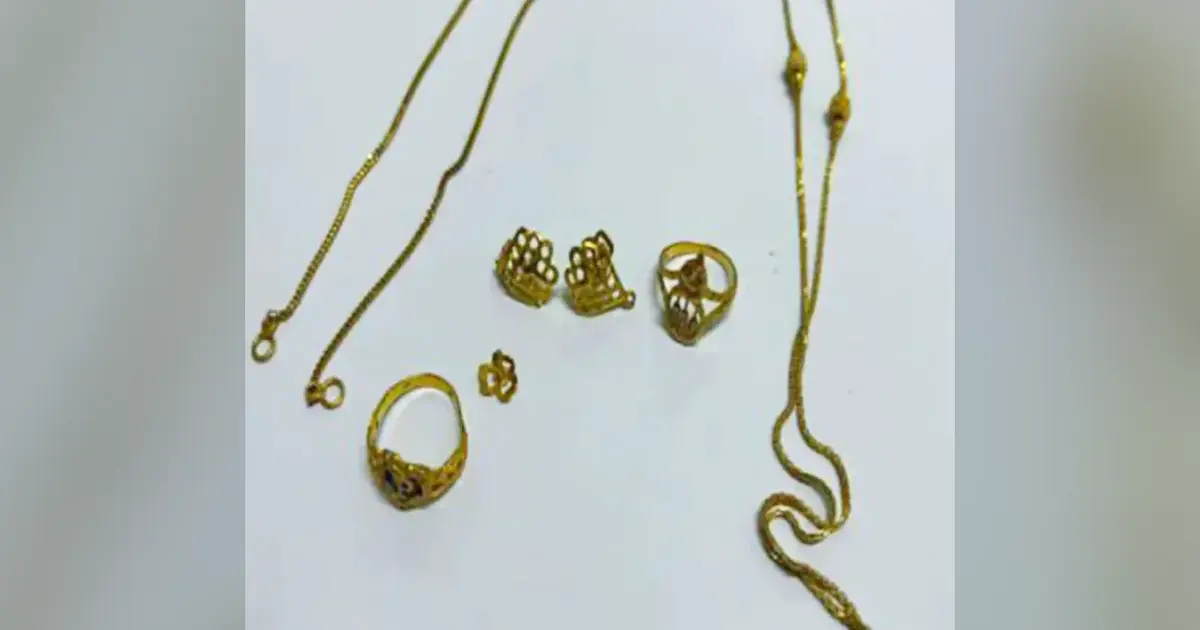
Police have apprehended a woman alongside her two adult children in connection with a scheme that defrauded an elderly victim of RM8,000 in jewellery by posing as representatives of a welfare assistance programme. The fraudsters approached the senior citizen with false promises of government support, convincing her to hand over valuable items as collateral or proof of assets—a common tactic employed in such scams targeting vulnerable populations.
The arrests represent yet another incident in a troubling pattern of predatory fraud targeting Malaysia's elderly demographic, who remain among the most susceptible to manipulation due to limited digital literacy and trust in authority figures. Such schemes exploit the genuine need many senior citizens have for supplementary financial assistance, weaponising their hopes for government support as a lever for theft.
Investigators moved swiftly after the complaint was lodged, tracing the stolen jewellery to a local pawnshop where the accused had attempted to convert their ill-gotten gains into cash. This recovery was critical not only in securing material evidence but also in providing some measure of restitution to the victim, who faced significant financial loss and emotional distress from the betrayal of trust.
The involvement of two adult children in the scheme raises questions about household dynamics and the influence family members exercise over one another's criminal behaviour. Such cases often reveal how economic desperation or misguided loyalty can lead multiple family members down a path of criminality, compounding both the legal consequences they face and the damage inflicted on victims.
Welfare fraud schemes have become increasingly sophisticated across Southeast Asia, with perpetrators adapting their tactics to exploit gaps in government communication systems. Elderly victims frequently cannot distinguish between legitimate government outreach and fraudulent impersonation, particularly when the criminals possess basic knowledge of actual welfare programme requirements and terminology. This information asymmetry creates a dangerous vulnerability that scammers routinely exploit.
The recovery of the jewellery from the pawnshop underscores the importance of rapid police response and coordination with commercial establishments that handle second-hand valuables. Many such businesses have tightened identification and documentation procedures in recent years, though enforcement remains inconsistent across different jurisdictions. Enhanced cross-sector cooperation between police and pawnshop operators could serve as an additional deterrent to criminals seeking quick conversion of stolen goods.
For Malaysian authorities, this case exemplifies the broader challenge of protecting elderly citizens from financial crimes. Beyond criminal prosecution, addressing the root causes requires public awareness campaigns specifically designed for senior audiences, family education about recognising scam tactics, and clearer channels through which elderly people can verify whether contact from welfare agencies is legitimate. Many government agencies now provide phone numbers and protocols for verification, yet awareness among target populations remains patchy.
The emotional toll on victims of such fraud often extends far beyond the monetary loss. Elderly people who have been defrauded frequently experience heightened anxiety, reluctance to engage with genuine government services, and damaged trust in their communities. These psychological consequences can lead to social isolation and deteriorating mental health, particularly for those living alone or with limited family support.
The case also reflects systemic weaknesses in how some welfare programmes are administered and communicated. When legitimate government agencies use inconsistent messaging or fail to provide clear verification mechanisms, they inadvertently create opportunities for fraudsters to present themselves as credible representatives. Strengthening the institutional integrity of welfare systems—through standardised communication practices, secure identification, and transparent procedures—would reduce the surface area available for exploitation.
For families across Malaysia, this incident serves as a reminder to maintain vigilance regarding elderly relatives' financial interactions, particularly with unknown callers or visitors offering unexpected opportunities. Many scams targeting seniors begin with seemingly innocuous requests for information or small favours that gradually escalate into requests for valuables or direct financial transfers. Teaching older family members to pause, verify information through official channels, and consult trusted relatives before handing over items can prevent considerable hardship.
As the accused face legal proceedings, investigators will likely examine whether this was an isolated incident or part of a broader operation targeting multiple victims. Such networks sometimes operate across different neighbourhoods or even states, with different members handling recruitment, collection, and liquidation of stolen goods. Determining the scope of their activities will be crucial for assessing the full extent of harm and identifying any other victims who may not yet have come forward.
The case demonstrates that despite increased public awareness campaigns about scams, determined criminals continue finding ways to exploit systemic vulnerabilities and human psychology. Moving forward, a multi-pronged approach combining criminal enforcement, public education, family engagement, and institutional reform will be necessary to meaningfully reduce the prevalence of welfare fraud schemes targeting Malaysia's elderly population.

