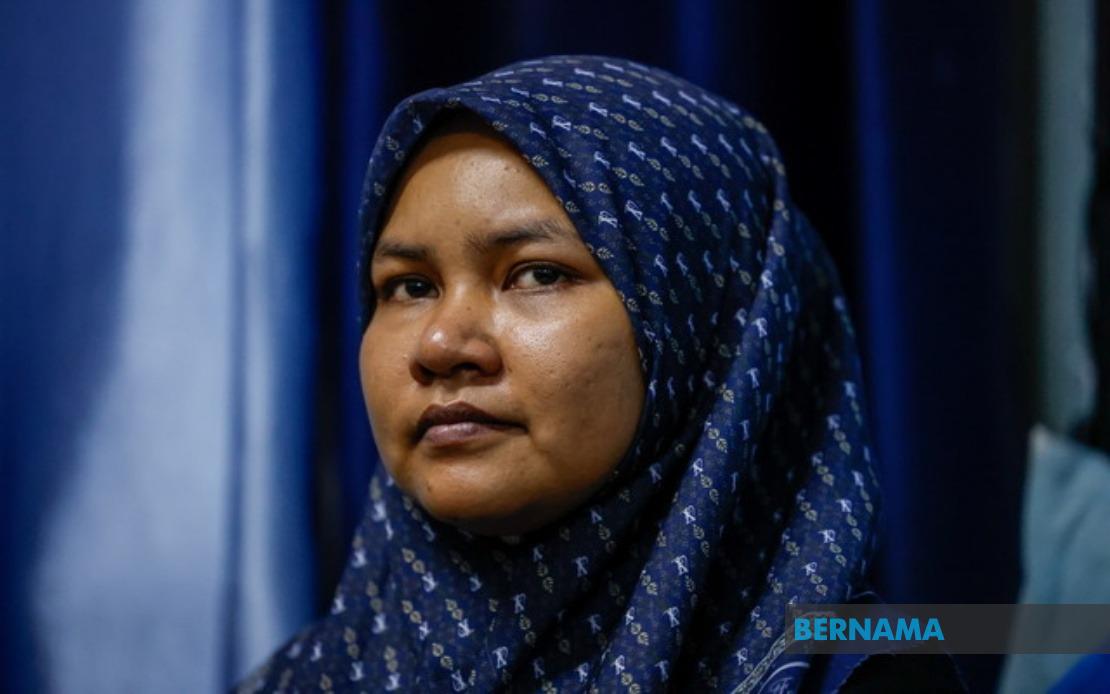
The widow of 33-year-old delivery rider Amirul Hafiz Omar is preparing to launch a RM1 million civil suit against the driver accused of causing his death in a traffic collision. According to her legal representative, Nur Iffah Hizwani Omar, the formal writ of summons and statement of claim have been drafted and are expected to be filed at the Shah Alam High Court in August, contingent upon finalising certain procedural requirements.
The incident that claimed Amirul Hafiz's life occurred on March 29 in Klang when he was struck by a vehicle driven by R. Saktygaanapathy, 28. The accused driver faces serious charges arising from the collision. Initially charged with murder under Section 302 of the Penal Code on April 1, the charge was later amended at the Klang Magistrate's Court. On June 3, R. Saktygaanapathy pleaded not guilty to a charge under Section 15(1)(a) of the Dangerous Drugs Act 1952 for self-administering tetrahydrocannabinol, or THC, a controlled substance. The murder charge remains within the purview of the High Court and awaits further proceedings.
The civil suit, initiated by the deceased's widow Nor Nadia Abdul Majid, 32, is contingent on the court issuing a Letter of Administration, which formalises her authority to act on behalf of her late husband's estate. This administrative document was filed at the Kuala Lumpur High Court, with a ruling expected on July 28. Without this formal certification, Malaysian civil courts cannot proceed with claims on behalf of deceased individuals.
A critical component in calculating the compensation amount involves obtaining supplementary income documentation from the e-hailing platform through which Amirul Hafiz conducted delivery work. These financial records are essential for establishing his earning capacity and the economic loss sustained by his family. The legal team intends to use this data to substantiate the RM1 million claim, ensuring the quantum sought reflects the actual financial impact of his death on his dependents.
For families of working-class Malaysians like the Omars, such civil actions represent a crucial avenue for securing financial redress beyond the criminal justice system. While criminal proceedings determine culpability and appropriate punishment, civil suits address the material consequences borne by surviving family members—lost income, ongoing expenses, and the cost of substituting the deceased's economic contributions to the household.
Nor Nadia has spoken candidly about her emotional journey since her husband's death nearly four months ago. In the initial weeks, the psychological reality of her loss remained somewhat abstract; the routines of daily life continued with a deceptive normalcy that masked the permanent rupture in her family structure. Only after three months did the full weight of her bereavement crystallise, as the absence became undeniable and omnipresent.
The emotional toll has been intensified by her children's presence and their daily needs. Amirul Hafiz maintained a disciplined routine of school runs, ferrying his children to classes each morning and collecting them at midday for shared meals—a pattern of paternal engagement that underscored his commitment to their upbringing and education. Nor Nadia has now assumed these responsibilities entirely, managing school logistics alongside her grief and financial anxieties.
The case touches on broader concerns within Malaysia's gig economy and road safety. Delivery riders like Amirul Hafiz form a vulnerable cohort, working extended hours in variable traffic conditions whilst reliant on vehicle operators who may pose hazards. The allegation that a driver was operating under the influence of drugs adds another dimension to ongoing public discourse about impaired driving enforcement and prevention strategies on Malaysian roads.
The RM1 million claim, whilst substantial, reflects both the loss of his earning potential and the intangible costs of grief and disruption to family life. In Malaysian civil law, damages for wrongful death typically encompass lost future earnings, reasonable expenses, and occasionally general damages for the non-pecuniary loss experienced by dependents. The legal team's emphasis on obtaining comprehensive income documentation suggests a methodical approach to ensuring the claim withstands judicial scrutiny and accurately represents the family's financial circumstances.
Once the Letter of Administration is granted and financial records obtained, the filing in August will initiate formal civil discovery and pre-trial procedures. The defendant's insurer, typically party to such cases, would then engage in negotiations or litigation. These civil proceedings will run parallel to the criminal case, potentially extending over months or years depending on complexity and contested issues.
The case also illuminates the gap between criminal accountability and civil reparation in Malaysia's dual justice framework. Whilst R. Saktygaanapathy faces drug charges and potentially severe criminal penalties if convicted of murder-related offences, a separate civil verdict and damages award would provide direct financial restitution to Nor Nadia and her children. This dual pathway is designed to serve both punitive and compensatory functions, though outcomes in each sphere are independently determined.
For the wider delivery worker community and their families, this civil suit sets a precedent for pursuing damages in circumstances of traffic-related fatalities. It underscores the importance of documenting income sources, particularly for gig workers whose earnings may span multiple platforms, and demonstrates the utility of legal representation in navigating the Letter of Administration process and substantiating claims with credible financial evidence. As the case progresses through 2024, its resolution may influence how similar disputes are approached in Malaysian courts.

