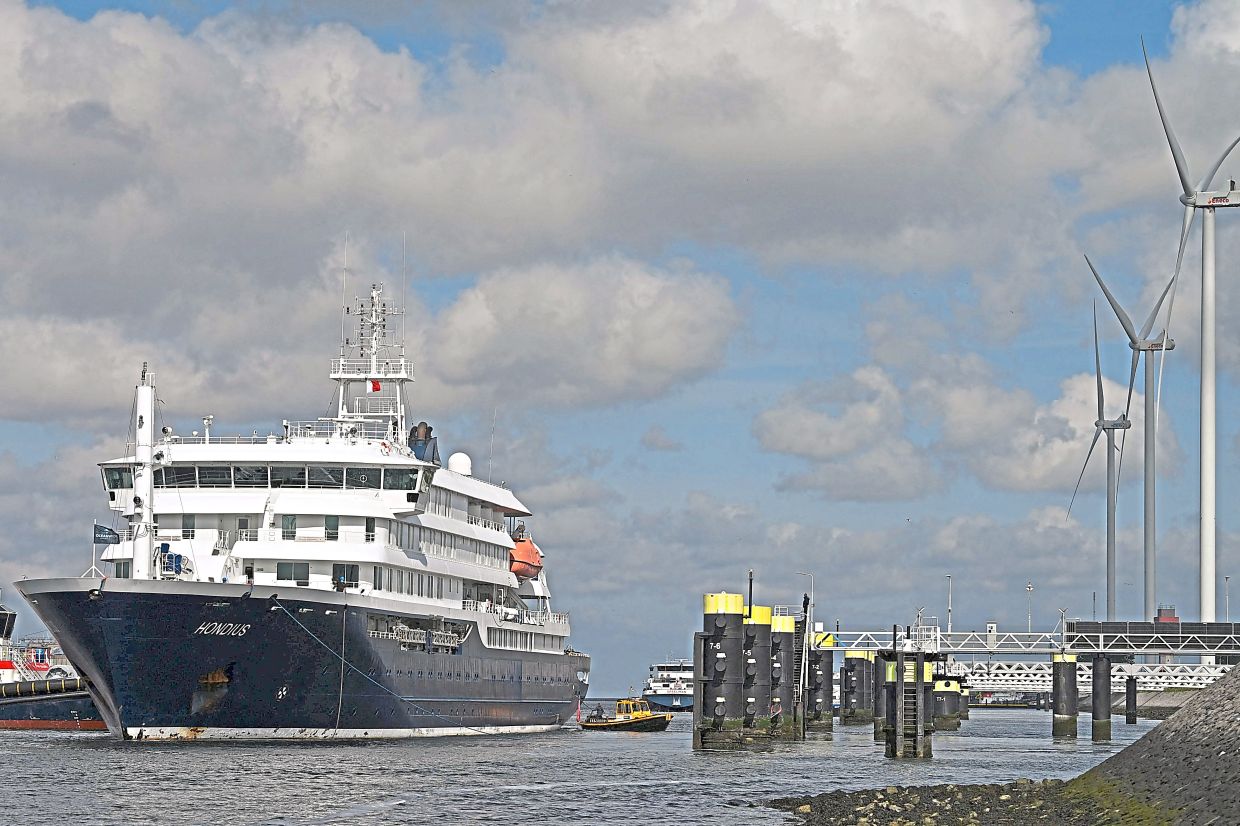
The World Health Organization has officially declared an end to a hantavirus outbreak that emerged aboard the Antarctic research vessel MV Hondius, marking the conclusion of a public health crisis that triggered widespread international concern and coordinated responses across multiple continents. WHO Director-General Tedros Adhanom Ghebreyesus announced the closure at a press conference after the final person under observation completed quarantine on July 2, 2026, having tested negative for the virus and returned home.
The outbreak centred on the Dutch-flagged polar exploration ship resulted in 12 confirmed cases and one probable case, with three people dying from the infection. The vessel, which departed from Ushuaia in Argentina on April 1, 2026, had been undertaking a voyage through some of the world's most remote regions, stopping at isolated South Atlantic islands including the famously isolated Tristan da Cunha community before eventually heading northward toward Europe's Canary Islands. The appearance of a deadly pathogen on a ship visiting such remote territories intensified concerns about the virus's potential global spread, prompting emergency responses and heightened biosecurity protocols across numerous countries.
The last confirmed case dates to May 25, 2026, providing the critical marker for determining that human-to-human transmission chains had been broken. Throughout the outbreak period, health authorities in 33 countries and territories maintained active surveillance and follow-up protocols for more than 650 individuals who had been identified as potentially exposed to infected passengers or crew members. This unprecedented coordination underscored the seriousness with which the international health community treated the emergence of what many feared could become a more widespread pandemic.
Hantavirus represents a particularly concerning pathogen because it remains largely mysterious to medical science. The virus is naturally spread by infected rodents to humans, typically through contact with contaminated materials such as droppings or urine, but the Andes strain identified in the Hondius outbreak possesses a rare and dangerous characteristic: it represents the sole known variant capable of direct human-to-human transmission. This transmission capability, combined with the absence of approved vaccines or specific antiviral treatments, explains the intensity of the global response and the urgency surrounding containment efforts.
The ship itself was quarantined and thoroughly sanitised after finally docking in Rotterdam Harbour, Netherlands, on May 18, 2026. This deep decontamination process was essential given the potential for viral persistence on surfaces and in the ship's ventilation systems, which could theoretically pose risks to new passengers and crew members. The sanitisation protocol reflected lessons learned from previous shipboard disease outbreaks and represented a precautionary approach to preventing any residual transmission risk.
Although the declared outbreak has ended, Tedros emphasised that this moment represents not a conclusion but rather a transition point toward deeper investigation. The WHO is now focusing on transformative research designed to fill critical knowledge gaps about hantavirus biology, transmission patterns, and potential interventions. Understanding how the disease develops and spreads will be essential for developing effective diagnostic tools, therapeutic options, and eventually vaccines that could protect against future outbreaks.
A multinational research initiative involving 21 countries has been established specifically to study the characteristics and progression of hantavirus infection. This coordinated investigation reflects the recognition that hantavirus poses a recurring threat, particularly given the virus's presence in rodent populations across multiple geographic regions. By systematically characterising the disease's natural history and identifying factors that influence severity and transmission, researchers hope to dramatically improve humanity's ability to respond to future cases and potential outbreaks.
For Malaysia and other Southeast Asian nations, this outbreak holds particular relevance despite occurring far from the region. The episode demonstrates how diseases can rapidly transit across borders through modern transportation networks, particularly via cruise ships and aircraft that connect distant populations. While hantavirus itself is not endemic to Southeast Asia, the outbreak serves as a sobering reminder that emerging infectious diseases can originate from unexpected sources and locations, necessitating robust biosurveillance systems and rapid response capabilities.
The incident also highlights the critical importance of international cooperation in public health emergencies. The successful containment of what could have become a global crisis depended on transparent information sharing, coordinated surveillance across dozens of countries, and unified follow-up protocols. These mechanisms, while tested during the COVID-19 pandemic, continue to evolve and strengthen, with lessons from the Hondius outbreak informing improvements to international disease surveillance networks and emergency response frameworks.
Looking forward, the WHO's commitment to ongoing research and understanding represents a crucial investment in pandemic preparedness. While the immediate health crisis has passed, the underlying threat remains embedded in global rodent populations. Future outbreaks cannot be prevented entirely, but their impact can be mitigated through improved diagnostics, targeted therapeutics, and ultimately vaccines. The coordination demonstrated during this outbreak suggests that the international community possesses the mechanisms necessary to address emerging threats, provided resources and political will remain sustained.

