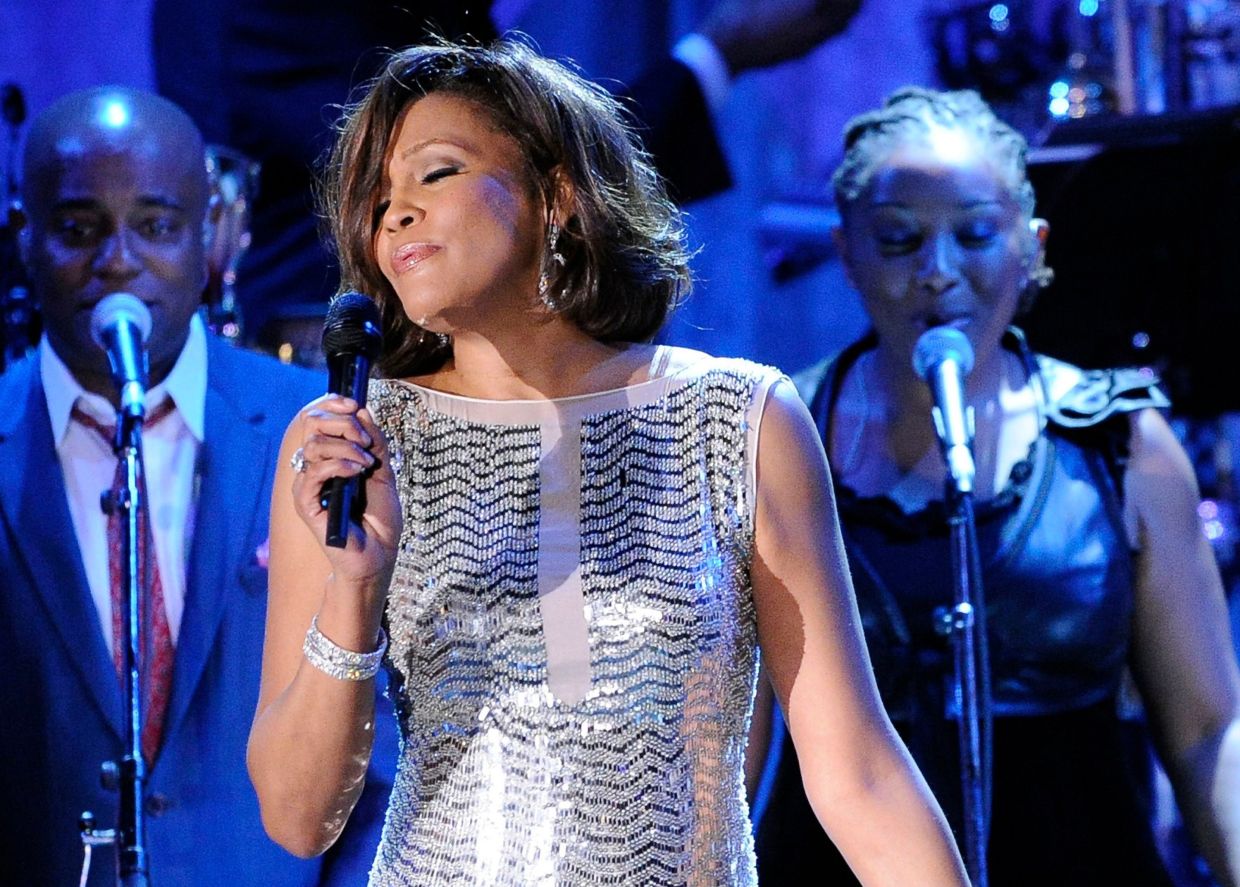
The Whitney Houston estate is intensifying its efforts to commemorate the legendary vocalist's extraordinary career, releasing a comprehensive collection of her chart-dominating singles alongside a milestone Barbie collaboration that represents a long-awaited realisation of Houston's personal vision. This twin celebration arrives as the music world reflects on what would have been Houston's 63rd birthday on August 9, underscoring her enduring relevance across multiple generations and cultural spheres.
The newly compiled album bringing together all 11 of Houston's Billboard Hot 100 number-one singles represents far more than a nostalgic retrospective. According to Pat Houston, executor of the singer's estate and her sister-in-law, the collection embodies Houston's own understanding of her artistic achievement—a curated selection of tracks that collectively shaped the soundtrack of millions of lives worldwide. These were not merely commercial successes but cultural touchstones that transcended the music industry itself, reaching across demographic and geographic boundaries to establish Houston as a defining voice of her era.
The introduction of the Whitney Houston Barbie doll, produced by parent company Mattel, holds particular significance as the first doll of its kind honouring the singer. Pat Houston emphasises that this collaboration did not emerge suddenly but rather represents the crystallisation of a vision that Houston herself had nurtured for more than two decades. The lengthy timeline from initial concept to actual product launch underscores both the complexity of securing appropriate permissions and the careful stewardship required to translate Houston's legacy into merchandise that authentically captures her essence and significance.
Pat Houston's reflections on the Barbie project reveal the emotional weight attached to seeing long-held aspirations materialise. She describes the journey as both emotionally resonant and deeply inspiring, characterising it as a reminder that certain dreams require extended gestation periods before coming to fruition. This sentiment carries particular meaning in the context of estate management, where decisions about commercialising an artist's image and legacy demand exceptional judgment and strategic patience to ensure that each initiative genuinely serves the artist's memory rather than simply capitalising on it.
The collaborative process with Mattel's creative team proved equally meaningful, with Pat Houston emphasising the company's demonstrated commitment to honouring Houston's legacy through meticulous attention to detail and artistic integrity. This hands-on involvement in the product development process reflects a broader philosophy governing how the estate approaches all projects associated with Houston's name—insisting on meaningful creative participation rather than passive licensing arrangements that might compromise the authenticity of what is being presented to the public.
The relationship between Whitney Houston and music industry luminary Clive Davis features prominently in Pat Houston's discussion of the singer's career trajectory and influence. She characterises their bond as extending well beyond typical professional boundaries, describing it as a relationship rooted in genuine affection and mutual artistic respect. Davis, who played an instrumental role in shaping Houston's career and remained a consistent champion throughout her life, emerges from this narrative as an indispensable figure whose influence continues to resonate within discussions of Houston's legacy long after his death.
When addressing questions about potential major projects such as a biographical film, Pat Houston adopts a measured approach that balances enthusiasm for celebrating Houston's life with caution against oversaturation or commercialisation lacking genuine purpose. She emphasises that the estate continuously evaluates various opportunities and proposals but maintains rigorous standards regarding which projects ultimately proceed to realisation. This gatekeeping function serves to protect Houston's legacy from dilution while ensuring that future initiatives meet exacting creative standards.
Pat Houston's vision extends beyond conventional album releases and merchandise collaborations to encompass previously unseen live performances from Houston's archive. She articulates an ambition to curate and present performance footage that, while known to international audiences, remains unfamiliar to North American viewers. This curatorial approach suggests a sophisticated understanding of how Houston's legacy might be revitalised through selective presentation of archival material rather than the creation of new content, allowing contemporary audiences to experience her extraordinary performative gifts in contexts genuinely novel to them.
The emphasis on Houston's vocal qualities and artistic craft, rather than the controversies that frequently dominate posthumous discussions of her life, reflects a deliberate editorial choice by her estate. Pat Houston repeatedly returns to descriptions of Houston's matchless voice and her capacity to convey authentic emotion through her performances, positioning these technical and interpretive gifts as the essential components of any meaningful legacy engagement. This refocusing of narrative away from personal hardship and toward artistic achievement serves both to honour Houston's own professional identity and to establish a framework within which future projects might be evaluated and contextualised.
For Malaysian and Southeast Asian audiences, the Whitney Houston legacy projects carry particular resonance given the singer's remarkable cross-cultural appeal and the significant presence of her music within regional popular consciousness. Houston's influence extends far beyond Western markets, and the global reach of her artistry makes her story relevant to audiences across diverse cultural and linguistic contexts. The careful stewarding of her legacy by her estate demonstrates principles of artistic preservation and respectful commercialisation that might serve as models for how other cultural industries approach the management of beloved figures' posthumous reputations.
The broader implications of the estate's strategic approach to legacy management suggest an evolving understanding of how contemporary audiences engage with historical artists' work. Rather than attempting to create new material in an artist's style or voice, the focus on curating and presenting existing work—whether through definitive compilations, previously unavailable performances, or thoughtfully designed commemorative products—acknowledges that Houston's artistic voice remains complete and irreplaceable. This philosophy represents a departure from some estate management approaches that prioritise continuous new content generation, instead prioritising quality and authenticity over quantity.

