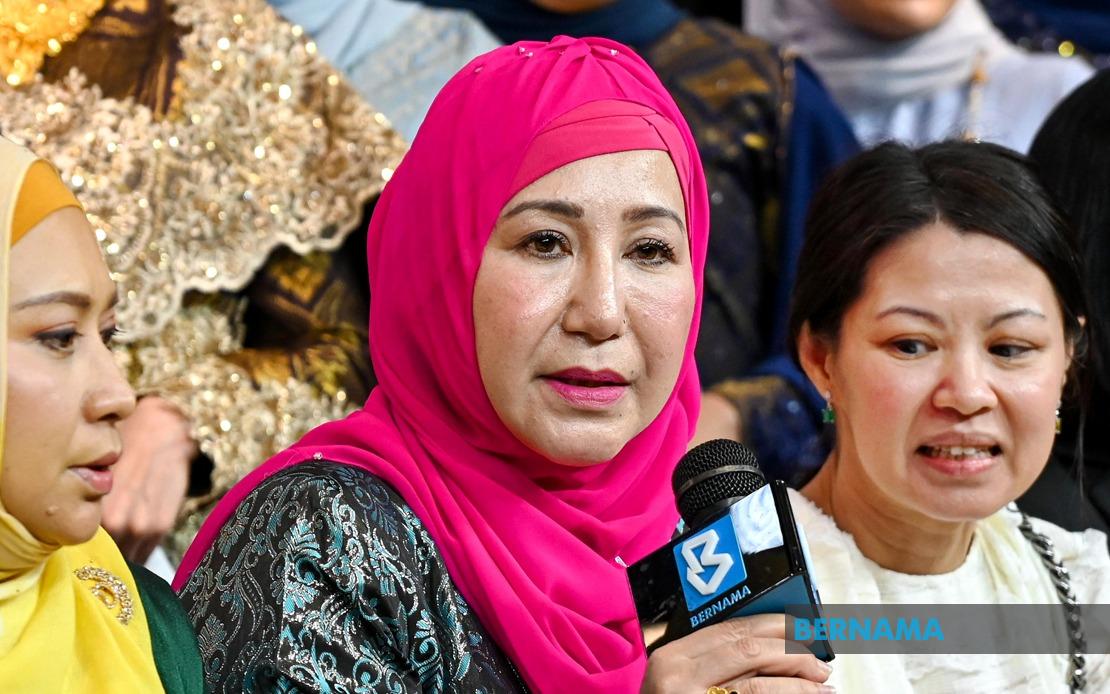
WAWASANITA, the women entrepreneurs' association, has unveiled an ambitious plan to transform rural food production in Sungai Besar through an integrated manufacturing and packaging facility that will serve small-scale manufacturers across the region. The initiative represents a significant effort to elevate Malaysia's cottage food industry beyond local markets and into international commerce, addressing longstanding challenges that have constrained growth among rural producers.
Dr Norli @ Norlaili Alias, president of Persatuan Usahawan Wawasan Wanita Malaysia, articulated the vision as an ecosystem-building exercise rather than a standalone facility. The hub will operate as a collaborative platform involving over 60 non-governmental organisations, private sector partners, industry associations, and community leaders from surrounding villages. This broad coalition reflects recognition that infrastructure alone cannot succeed without stakeholder buy-in and sustained coordination across multiple layers of rural administration and commerce.
The core challenge the hub addresses centres on quality and consistency. Rural producers, particularly those manufacturing traditional snacks and crackers, have historically struggled with substandard packaging that degrades product shelf life and undermines market positioning. Individual entrepreneurs operating in isolation lack capital investment for modern equipment and lack bargaining power with suppliers. By consolidating operations under unified management, the hub can deploy advanced technology across dozens of producers simultaneously, transforming packaging quality without requiring individual businesses to absorb prohibitive capital costs.
WAWASANITA's branding strategy reveals sophisticated export ambitions. Rather than marketing individual products under scattered local names, the initiative proposes consolidating goods under a unified international brand—tentatively named "Kerepek International"—that signals premium quality and consistent standards to overseas buyers. This approach mirrors successful regional models where cottage producers maintain product diversity while gaining the market credibility that comes with centralised quality assurance and professional presentation.
Financial projections suggest the hub could deliver immediate tangible benefits. WAWASANITA estimates that participating entrepreneurs will experience approximately 30 per cent increases in both sales volumes and profit margins through improved product presentation, extended shelf life, and access to export channels previously unreachable for individual small operators. These figures, while requiring independent verification, indicate that proponents view the initiative as economically viable rather than merely charitable.
The initiative extends beyond food manufacturing infrastructure. Accompanying the food hub announcement, officials presented business support letters to 20 Selangor entrepreneurs pursuing complementary ventures in car detailing and mobile coffee services. Simultaneously, the programme allocated educational contributions to 16 asnaf—Muslim children from low-income families—signalling an approach that weaves rural economic development with social welfare objectives. Datuk Mohd Razlan Muhammad Rafii, Political Secretary to the Rural and Regional Development Minister, formalised these presentations, underlining government support for the broader initiative.
The food hub concept intersects with Malaysia's broader rural development strategy. Sungai Besar and surrounding Selangor districts contain significant concentrations of traditional snack producers whose products enjoy domestic reputation but lack international distribution infrastructure. The government has increasingly recognised that elevating rural incomes requires modernising production and marketing rather than subsidising consumption or preserving traditional methods in stasis. This hub represents practical implementation of that philosophy.
International market access poses particular challenges for Malaysian cottage manufacturers. Overseas buyers demand consistent quality, reliable supply volumes, food safety certifications, and professional packaging—prerequisites that individual rural producers cannot feasibly satisfy. A centralised hub can obtain necessary halal, ISO, and food safety certifications once, then provide compliant infrastructure to dozens of producers, dramatically reducing the barrier to export participation. This structural support could unlock significant export value, particularly in neighbouring Southeast Asian markets where Malaysian traditional snacks command premium positioning.
The initiative faces operational complexities that extend beyond physical infrastructure. Coordinating production schedules across multiple independent producers, managing quality control while preserving product distinctiveness, negotiating international supply contracts, and establishing reliable cold chains all require sophisticated management. Success will depend heavily on selecting experienced operations management and establishing governance structures that balance entrepreneurial autonomy with standardisation requirements.
For Malaysian entrepreneurs, the Sungai Besar hub offers a template potentially replicable across other rural districts. If successful, similar facilities could emerge in other regions with concentrated cottage manufacturing bases—from traditional batik producers in Terengganu to wooden handicraft makers in Pahang. The model demonstrates how modern logistics and unified branding can create competitive advantage for traditional industries without requiring them to abandon established production methods or cultural authenticity.
The programme underscores evolving approaches to women's economic empowerment in Malaysia. WAWASANITA's leadership in launching this initiative positions women entrepreneurs not as beneficiaries of welfare programmes but as economic agents capable of managing sophisticated commercial infrastructure and accessing international markets. This framing carries implications for how policymakers resource and support women-led enterprise development across the country.
Regional observers note the initiative's timing amid broader Southeast Asian discussions about supply chain diversification and strengthening regional food security. As regional nations explore agricultural development and value-added food processing, Malaysia's experience consolidating rural producers into export-capable platforms offers relevant lessons. The Sungai Besar hub, if it achieves projected outcomes, could influence development strategies across ASEAN countries facing analogous challenges in rural modernisation and international market integration.

