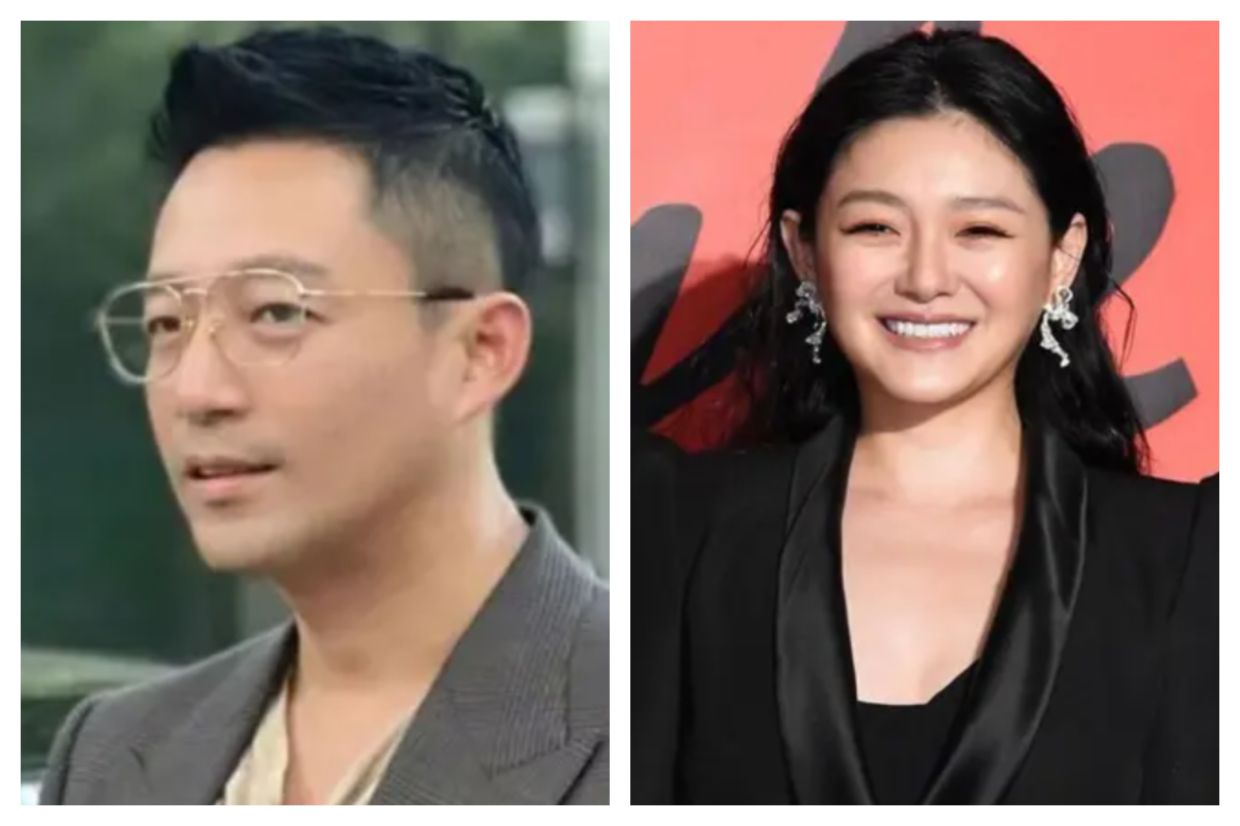
Chinese entrepreneur Wang Xiaofei has finally addressed mounting speculation surrounding the inheritance of his late ex-wife, Taiwanese actress Barbie Hsu, issuing a statement through his representatives that aims to dispel circulating rumours and clarify the distribution of her substantial estate. The move comes as unconfirmed reports about the handling of Hsu's assets have sparked concern among the public and distress within the family, prompting Wang to provide transparency on one of the region's most watched celebrity inheritance matters this year.
According to statements released on July 8 through Taiwanese media channels, Wang's representatives confirmed that he respects the legal entitlements outlined in Hsu's will, specifically acknowledging that Korean singer Koo Jun-yup, better known as DJ Koo and Hsu's second husband, is entitled to receive one-third of her estate as her surviving spouse. This acknowledgement carries significance beyond mere formality, as it establishes that Wang, despite his previous marriage to Hsu and their shared history, has taken a measured and legally compliant stance toward her posthumous affairs, particularly given the involvement of multiple parties with competing interests in the estate.
The foundation for understanding this complex inheritance situation lies in the timeline of relationships and marriages. Wang and Hsu were married for eleven years before divorcing in 2021, during which they had two children together. Following their separation, Hsu rekindled a romance with Koo that had originally begun in 1998, eventually marrying him before her unexpected death from pneumonia in 2025. This layered personal history has created a multifaceted estate distribution challenge, with Hsu's assets needing to be divided among her surviving spouse, her minor children from her first marriage, and other family members including her elderly mother.
Wang's representatives made clear that the two-thirds of Hsu's estate not designated for Koo has been allocated to their two minor children and is being held in secure trust funds, a legal mechanism designed to protect the children's long-term financial security. This arrangement underscores Wang's continued involvement in safeguarding his children's financial futures despite the dissolution of his marriage to Hsu. The entrepreneur has also taken the proactive step of petitioning the court to appoint a special representative whose sole responsibility is to protect and advocate for the children's legal rights throughout the probate process, demonstrating a formal commitment to ensuring their interests are not compromised during the estate settlement.
A primary concern that prompted Wang's statement was a widely circulated rumour that Hsu's property had been placed on auction block due to accumulated unpaid mortgage debt, a claim that generated significant worry among sympathetic observers of the situation. Adding to the anxiety, Hsu's elderly mother publicly raised alarms about potentially losing her residence, creating headlines suggesting family dysfunction or financial mismanagement. Wang's representatives categorically denied these allegations, asserting that mortgage obligations have been consistently met since Hsu's passing and that the mortgage responsibility, which was inherited by the children, remains in good standing under Wang's financial stewardship.
The statement further addressed concerns about Hsu's mother's housing security, explicitly confirming that Wang has never suggested she vacate the property and that she remains welcome to continue residing there, thereby resolving public anxiety about an elderly woman being displaced from her home during a period of family mourning. This reassurance carries particular weight in the context of Asian family values, where respect for elderly parents and their security forms a cornerstone of filial responsibility and social expectations. Wang's willingness to publicly declare his support for his ex-wife's mother's continued residence demonstrates a commitment to maintaining family harmony despite the complexity of the inheritance situation.
Taiwanese media assessments have valued Hsu's total estate at approximately 600 million yuan, equivalent to roughly RM361 million in Malaysian ringgit, making this one of the more substantial celebrity estates in recent regional history. The portfolio encompasses diverse assets including a property situated at the National Taiwan Museum of Fine Arts, a penthouse residence, and significant financial holdings that Hsu obtained as part of her divorce settlement from Wang, reflecting both her successful entertainment career and her advantageous marital dissolution arrangement.
Crucially, Wang's representatives have appealed to media organisations to cease publishing unverified rumours and speculative reports, arguing that these narratives have caused genuine distress to family members already grieving Hsu's loss. The statement reflects the challenge that high-profile estates face in the modern media environment, where speculation can spread rapidly across digital platforms and reach international audiences before verification occurs. The family's frustration with media coverage illustrates the tension between public interest in celebrity affairs and the legitimate privacy concerns of mourning family members managing complex legal and financial matters.
The entire inheritance matter is currently proceeding under the supervision of a court-appointed lawyer, ensuring that the distribution of assets adheres to both legal requirements and the deceased's stated wishes. This judicial oversight provides a neutral framework for resolving competing claims and interests, offering protection to all parties including the minor children, the surviving spouse, and Hsu's extended family. For Malaysian observers, the case exemplifies the intricate legal and personal challenges that arise when entertainment industry figures with international careers and multiple marriages leave behind substantial estates requiring formal resolution.
Wang's decision to break his silence reflects a broader understanding that public clarity, despite its discomfort, may ultimately serve to protect his children's inheritance and his family's reputation more effectively than silence in the face of rumour. His carefully calibrated acknowledgement of Koo's legal entitlements, coupled with detailed explanations of the trust arrangements and financial obligations he is maintaining, demonstrates a strategic approach to estate management that prioritises both legal compliance and family welfare. The situation underscores how celebrity inheritances in Asia continue to generate intense public interest and media speculation, making transparent communication from key stakeholders increasingly important for managing narrative control and family privacy.

