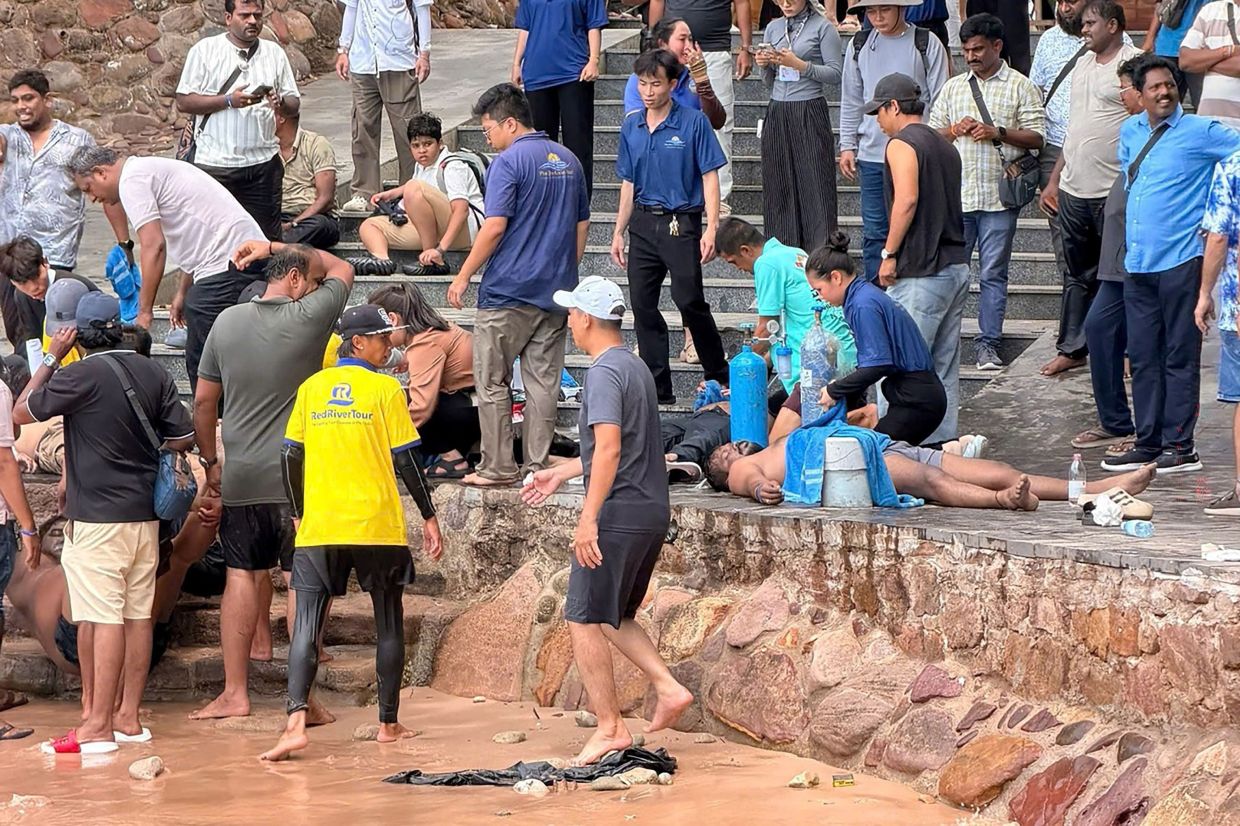
Vietnam's leadership has mobilized a government-wide response to a maritime tragedy that claimed the lives of 15 Indian tourists when their speedboat capsized near Phu Quoc Island. Prime Minister Phạm Minh Chính issued an official directive on July 11, immediately deploying medical personnel and supplies to treat survivors while simultaneously launching a multi-faceted investigation into what caused the vessel to go down. The incident has prompted Vietnam to scrutinize its entire approach to maritime and waterway safety, raising important questions about regulatory oversight in a nation where tourism plays an increasingly vital economic role.
The vessel, which carried 32 Indian tourists alongside four crew members and guides, went down near Hon May Rut Ngoai within the Phu Quoc Special Zone. Of those aboard, 21 people were successfully rescued, but 15 tourists—comprising 13 men and two women—perished in the accident. The loss represents one of the more significant recent maritime disasters involving international tourists in Southeast Asia, a region that has witnessed growing numbers of foreign visitors in recent years. The scale of casualties has prompted serious reflection within Vietnam's tourism and maritime sectors about whether current safety protocols adequately protect the thousands of international travelers who venture onto Vietnamese waters each year.
The Prime Minister's response encompasses a carefully structured government action plan designed to address both immediate humanitarian concerns and systemic deficiencies. Medical resources have been mobilized across all available channels to ensure survivors receive comprehensive treatment, while authorities are committed to minimizing further loss of life and property damage. This dual approach—immediate crisis management paired with longer-term institutional reform—reflects recognition that the tragedy demands both compassionate response to victims' families and substantive changes to prevent recurrence.
Responsibility for leading the technical investigation has been assigned to An Giang Province, which oversees Phu Quoc Island. Provincial authorities are tasked with collaborating with relevant agencies and forces to determine exactly what mechanical, environmental, or human factors contributed to the capsizing. They must also identify any operational or regulatory gaps that may have contributed to the accident. This localized investigative authority, combined with national-level oversight, aims to produce findings that are both contextually grounded and subject to broader governmental scrutiny.
The Ministry of Public Security has been explicitly directed to conduct an urgent and rigorous investigation, with instructions to take strict legal action against any organizations or individuals found to have violated maritime law or safety regulations. This framework suggests authorities are prepared to hold accountable those responsible for negligence or non-compliance, signaling a commitment to accountability that extends beyond administrative findings to potential criminal liability. For maritime operators and tourism companies across Vietnam, this sends a clear message that safety lapses will result in serious consequences.
The Ministry of Construction has been tasked with a comprehensive safety review of maritime and inland waterway traffic operations in the area where the accident occurred, as well as in regions with similar geographic and operational characteristics. This broader mandate suggests the government recognizes that isolated safety improvements at one location are insufficient; instead, systematic vulnerabilities must be identified and addressed across comparable environments. Such an approach could reshape how Vietnam regulates its entire maritime tourism sector, potentially affecting hundreds of operators and thousands of daily tourism activities.
Diplomacy has emerged as a crucial dimension of Vietnam's response. The Ministry of Foreign Affairs has been directed to work in close coordination with the Indian Embassy in Vietnam on matters of consular assistance, citizen protection, and other issues related to the victims. This emphasis on bilateral cooperation reflects Vietnam's understanding that how it handles foreign deaths within its borders significantly affects its international reputation and relationships. India, as a major source of tourists to Southeast Asia and an increasingly important economic partner, warrants particular diplomatic attention.
The Indian Embassy wasted no time in establishing support infrastructure for affected nationals. Officials released a comprehensive list of the 32 citizens aboard the vessel and established two contact points—one in Ho Chi Minh City and another in Hanoi—to provide assistance to those impacted by the tragedy. This rapid mobilization demonstrates how serious the Indian government views the incident and underscores the diplomatic dimensions of maritime safety. For Malaysian policymakers watching these developments, the Vietnamese response illustrates how regional governments must balance economic interests in tourism with robust safety frameworks and swift, credible responses to disasters.
The incident raises critical questions about maritime safety standards across Southeast Asia. As tourism numbers have surged in recent years, many regional destinations have expanded their waterway-based attractions without proportionally upgrading their regulatory infrastructure or enforcement mechanisms. Vietnam's response—though comprehensive—comes only after a significant loss of life. Malaysia and other regional nations with growing maritime tourism industries should reflect on whether their own safety protocols, inspection regimes, and operator accountability systems are sufficiently rigorous to prevent similar tragedies.
The tragedy also illuminates vulnerabilities in the speedboat tourism sector specifically. Unlike larger vessels that face more rigorous regulatory oversight, speedboats often operate with less intensive scrutiny despite carrying substantial numbers of passengers on waterways that present genuine navigational hazards. Vietnam's investigation will likely examine whether vessel maintenance standards, crew qualifications, weather-monitoring protocols, and passenger safety equipment met international and domestic requirements. If deficiencies are discovered, they could catalyze regional reforms in how smaller vessels are regulated.
For Indian tourists and their families, Vietnam's rapid governmental response and commitment to investigation may provide some assurance that the tragedy will not be dismissed or inadequately addressed. However, the emotional and diplomatic aftermath will likely extend for months. The government's ability to demonstrate thorough investigation, accountability for negligence, and meaningful safety reforms will shape how both Indian and international travelers perceive Vietnam's commitment to their security. This incident serves as a reminder that tourism's economic benefits come with serious safety responsibilities that governments cannot afford to minimize.

