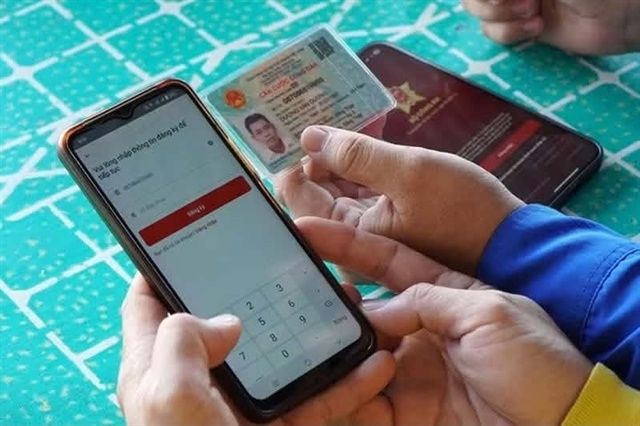
Vietnam has taken a significant step toward modernising its digital governance framework by opening electronic identification accounts to foreign nationals who have lawfully entered or are residing within the country. Under a newly promulgated government decree reported by Vietnam News Agency, these individuals can now register for e-ID accounts at any level, marking a notable expansion of the nation's digital identity ecosystem. The move signals Hanoi's commitment to creating a more inclusive and digitally connected environment for both residents and temporary occupants, whilst streamlining administrative processes across government agencies.
The decree introduces substantial reforms to Vietnam's electronic identification and authentication framework, particularly by addressing a significant administrative bottleneck. Under the revised provisions, both individuals and organisations no longer face the requirement to repeatedly submit documents when relevant information has already been integrated into government systems. This principle of data reusability represents a modernisation of bureaucratic practices, reducing redundancy and accelerating service delivery. The amendment acknowledges the inefficiency of traditional paper-based submissions and recognises the potential of digital systems to eliminate unnecessary administrative friction.
For Vietnamese citizens specifically, the new rules establish a tiered approach based on age and documentation status. Citizens aged six years and older who possess a valid citizen identity card or standard identity document become eligible to request Level 1 or Level 2 electronic identification accounts. This two-tier system allows authorities to differentiate between basic and enhanced digital identity levels, presumably with Level 2 offering expanded functionalities or security features. Meanwhile, Vietnamese children under six who have received identity cards may access Level 1 accounts, ensuring that digital identity coverage extends across the entire population from early childhood.
Beyond individual citizens, Vietnamese agencies and organisations formally established or registered to operate within the country now enjoy equivalent access to electronic identification services at any authorised level. This provision recognises the growing importance of institutional digital identity in modern governance and commerce. Business entities, government departments, and civil society organisations can leverage these accounts for digital transactions, secure communications, and integrated service access, fostering a more cohesive digital ecosystem across both public and private sectors.
A particularly transformative aspect of the decree involves the comprehensive integration of official documents into Vietnam's national identification application. The government has compiled an extensive list of 66 document types issued to individuals that can be digitised and synchronised within the system. These include foundational identity papers such as birth certificates and residence information certificates, alongside travel documents like ordinary passports and visa records. The integration extends to practical credentials including vehicle registration certificates, driving licences, and investment permits, creating a centralised digital repository accessible through a single platform.
The integration framework for institutional documents is equally ambitious, incorporating 140 distinct document categories issued to agencies and organisations. This expansive approach encompasses formal business credentials such as seal specimen registration certificates, identification name certificates, and official business licences. The system also captures regulatory compliance documents including export-import licences, enabling organisations to maintain comprehensive digital profiles within government records. By consolidating such diverse documentation into one authenticated system, Vietnam aims to reduce administrative burdens on both institutions and regulatory bodies.
The implications for Malaysia and the broader Southeast Asian region merit consideration. As a major destination for foreign workers and residents, Vietnam's expanded digital ID framework could enhance the experiences of Malaysian expatriates, tourists, and business professionals operating within the country. The system may facilitate smoother interactions with Vietnamese authorities, improve access to essential services, and create opportunities for seamless cross-border digital cooperation. For Malaysian companies with operations in Vietnam, the integration of business documents into a national digital system could streamline compliance activities and reduce transaction costs.
From a regional perspective, Vietnam's approach represents an important development in Southeast Asia's broader digital transformation narrative. ASEAN member states are increasingly recognising that interconnected digital identity systems can drive economic growth, improve governance efficiency, and enhance citizen services. By extending electronic ID eligibility to foreign nationals, Vietnam positions itself as a digitally progressive economy capable of accommodating international participation whilst maintaining security and authenticity standards. This could influence similar policy developments across the region, particularly as neighbouring countries seek to modernise their own identification frameworks.
The implementation timeline provides adequate opportunity for government agencies and service providers to prepare infrastructure upgrades. With the decree scheduled to take effect on September 28, 2026, Vietnam has granted itself approximately twenty months to ensure system readiness, staff training, and public awareness campaigns. This measured rollout period reflects pragmatic recognition that comprehensive digital transformation requires careful coordination across multiple stakeholders and jurisdictions. Businesses and individuals planning longer-term engagement with Vietnam should monitor this transition closely to understand emerging requirements and opportunities.
The broader significance of this decree lies in its philosophical approach to digital governance. By treating digital identity as an inclusive public good accessible to all lawful residents rather than exclusively to citizens, Vietnam demonstrates commitment to creating functional digital societies that serve diverse populations. The integration of extensive document categories into a unified system represents confidence in digital authentication standards and recognises that modern economies require seamless information flow. For Malaysian stakeholders and policymakers observing regional developments, Vietnam's model offers instructive insights into digital identity expansion that balances accessibility with security.

