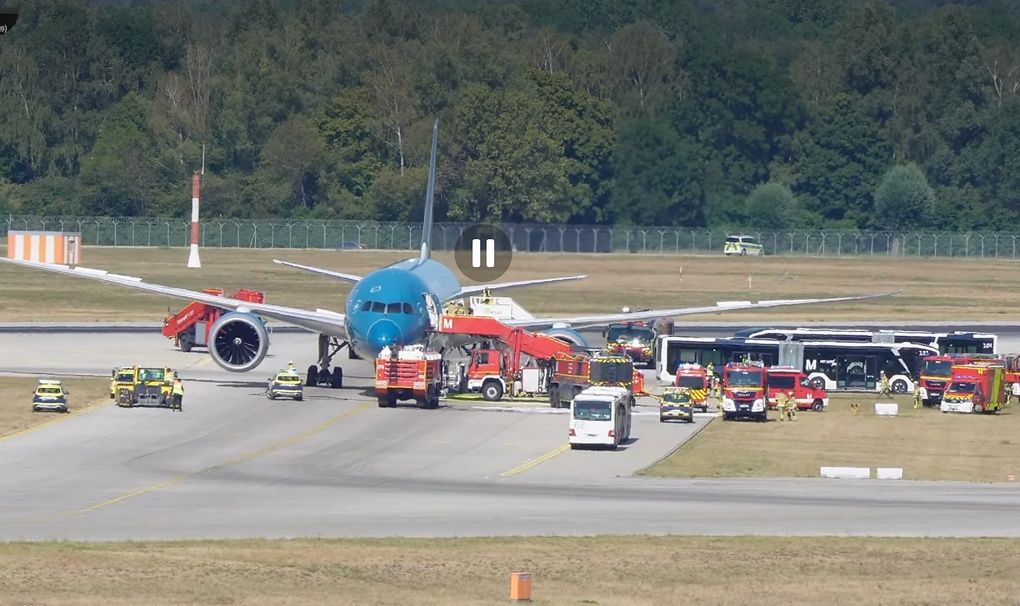
A Vietnam Airlines Boeing 787-9 carrying passengers bound for Hanoi was compelled to make an emergency return to Munich Airport on August 15 after encountering a technical malfunction during the initial stages of flight. The aircraft, operating one of the carrier's flagship long-haul services connecting Europe and Vietnam, managed to land safely at its departure point approximately two hours after becoming airborne, with all passengers and crew members unharmed throughout the incident.
The crew responded promptly to the technical issue by implementing established emergency procedures, demonstrating the safety protocols that international aviation regulations mandate for such situations. Vietnam Airlines confirmed that once the problem manifested, the flight crew initiated procedures to bring the aircraft back to Munich rather than continue toward its destination, prioritizing passenger and crew safety above all other considerations. Ground personnel at the Bavarian airport had positioned emergency services on standby in preparation for the arrival, though the landing itself proceeded without further complications.
Aircraft tracking data and eyewitness accounts provide insight into the nature of the mechanical problem experienced during takeoff. Video footage captured near the runway reveals the Boeing 787 accelerating toward the end of the runway and rotating to become airborne in what observers describe as an unusually tight margin, with visible dust disturbance suggesting the aircraft made contact with the ground surface during its initial climb-out phase. Aviation specialists monitoring the incident through The Aviation Herald identified the problem as involving a late rotation combined with a tailstrike and runway overrun condition, with subsequent damage to the aircraft's tires resulting from the contact.
Following the initial technical emergency, the crew executed a fuel-dumping procedure to reduce the aircraft's weight before attempting to land. The Boeing 787 climbed to approximately 9,000 feet and entered a holding pattern over the Munich area, allowing pilots and ground crews adequate time to assess the structural integrity of the aircraft and prepare for a safe landing. This measured approach gave maintenance teams and airport authorities the opportunity to evaluate what had occurred and ensure all necessary precautions were in place for the return landing.
The return landing itself produced additional damage, with contact between the aircraft and the runway reportedly generating tire failure and visible smoke as the aircraft came to rest. Emergency response teams remained alert throughout the descent and landing sequence, though the situation was ultimately contained without injury. After the aircraft had safely stopped, all passengers and crew members were systematically evacuated and taken to the airport terminal for processing and support.
Vietnam Airlines is undertaking a comprehensive investigation in cooperation with German aviation authorities and other relevant agencies to establish the precise technical factors that triggered the emergency. The carrier has not yet released detailed findings from this examination, indicating that inspectors are still in the process of documenting and analyzing the damage to determine root causes. The investigation will likely examine multiple systems on the aircraft, including hydraulic, electrical, and mechanical components that could have contributed to the reported rotation and tailstrike issues.
The airline's customer relations and operations teams have mobilized to assist the approximately 300 passengers affected by the incident. Vietnam Airlines is arranging alternative transportation options for those wishing to continue to Hanoi, while also providing accommodation, meals, and other support services as passengers await rebooking on subsequent flights. The carrier has committed to providing further updates once the technical inspections reach completion and revised operational plans are finalized.
This incident occurs within the broader context of Vietnam Airlines' European expansion strategy. The carrier operates direct services connecting both Hanoi and Ho Chi Minh City to two major German airports—Munich and Frankfurt—utilizing its modern wide-body fleet comprising Boeing 787 Dreamliners and Airbus A350 aircraft. These long-haul routes represent significant commercial importance for the airline as it develops its international network and competes for passenger traffic between Southeast Asia and Europe.
The emergency underscores the critical importance of rigorous maintenance protocols and crew training standards in commercial aviation, particularly for long-haul international operations. While takeoff incidents involving rotation difficulties are relatively rare in modern commercial aviation due to advanced aircraft design and comprehensive pilot training requirements, the incident demonstrates how quickly crews must respond when unexpected technical situations arise. The Boeing 787 platform, despite this incident, maintains a strong safety record globally, with millions of flight hours accumulated since entering service in 2011.
For Southeast Asian airlines and travelers, the incident serves as a reminder of the sophisticated safety systems embedded in modern aviation infrastructure. The coordination between airline crews, airport authorities, and emergency services—both at Munich and throughout the incident—exemplifies international aviation safety standards. Vietnam Airlines' handling of passenger support and transparent communication regarding the incident reflects broader industry practices for managing aircraft emergencies and maintaining public confidence in commercial aviation.

