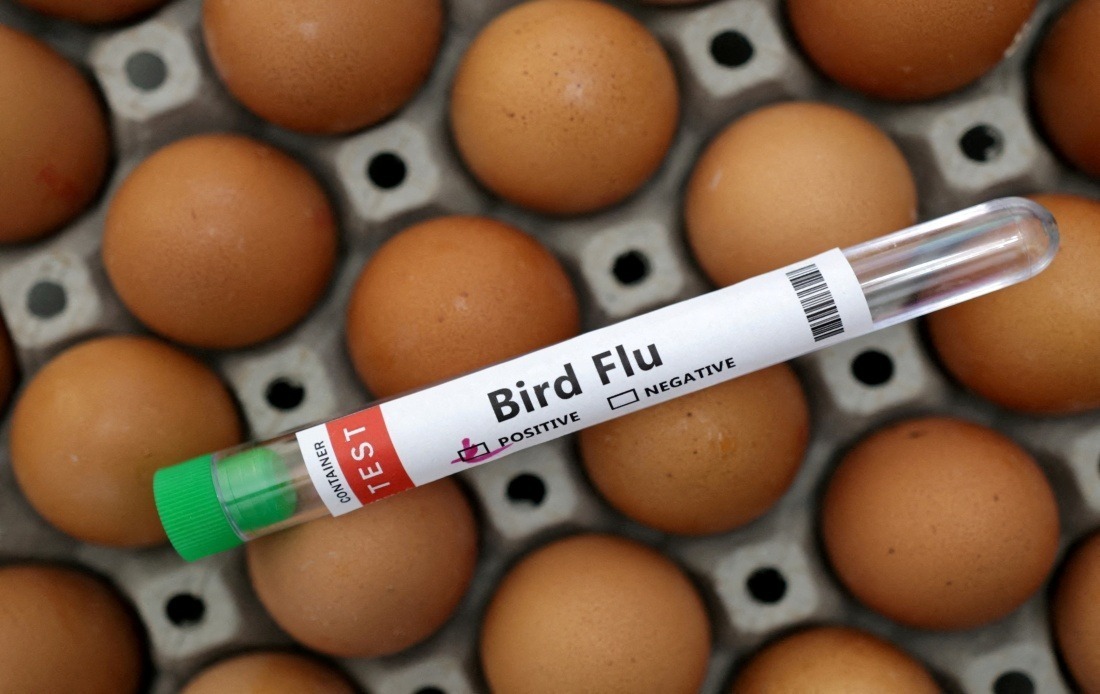
Australia's Victoria state has implemented a landmark mandatory poultry housing order in response to the escalating outbreak of H5N1 avian influenza, positioning itself as the country's first jurisdiction to enforce such a restrictive measure. The directive, which takes effect immediately and will remain in place for at least 14 days, requires producers maintaining flocks exceeding 50 birds to confine their animals indoors, fundamentally altering farming operations across the state during this critical containment phase. This measure represents a significant escalation from voluntary guidelines previously in place, reflecting mounting concern among authorities about the virus's capacity to spread through contact between domestic birds and potentially infected wildlife populations.
Victoria's Agriculture Minister Michaela Settle characterised the compulsory housing requirement as a prudent, forward-thinking intervention designed to establish a protective barrier between farmed poultry and wild bird populations that may harbour the virus. The decision underscores how seriously state authorities are treating the outbreak's trajectory and demonstrates their willingness to impose restrictions on agricultural operations when epidemiological circumstances warrant such action. This shift from voluntary to mandatory controls signals a strategic assessment that voluntary compliance mechanisms have become insufficient given the virus's geographical expansion and the frequency of new detections across distinct regions.
The catalyst for this decisive action traces directly to alarming case confirmations in previously unaffected areas. Victoria's Chief Veterinary Officer Graeme Cook identified Yambuk, Apollo Bay, and Clyde as new detection zones that fundamentally altered the risk landscape and justified strengthening the state's response protocol. Each emergence of the virus in a new locality demonstrated its capacity to spread systematically across different geographical areas, justifying a more comprehensive and uniform approach to disease containment that extends beyond previously affected regions.
National authorities have documented an accelerating pattern of positive detections that extends well beyond Victoria's borders. Australian Chief Veterinary Officer Beth Cookson reported that 20 additional positive cases were confirmed on Friday alone, all identified within wild greater crested tern populations concentrated in the Portland and Nelson vicinity. This concentration of detections within a specific bird species and geographic cluster raises questions about whether water bodies or migratory patterns in that region create conditions favouring viral transmission and amplification among these susceptible populations.
The cumulative national toll now stands at 175 confirmed or presumed positive H5N1 cases based on properly tested samples, according to the Australian Broadcasting Corporation. This figure represents a substantial increase reflecting sustained viral circulation and the ongoing discovery of infected wild birds across multiple locations. The testing framework's sensitivity in identifying cases across Australia's vast territories suggests that actual exposure levels may exceed confirmed numbers, a concern that continues to drive heightened vigilance among agricultural and public health authorities.
A critical distinction has emerged between wild bird infections and the agricultural sector's situation. Despite widespread H5N1 circulation among wild avian populations, no detections have occurred within domestic poultry flocks or Australia's commercial agricultural production systems. This separation underscores both the effectiveness of existing biosecurity protocols in farming operations and the genuine risk that wild-to-domestic transmission could occur without additional precautions. The mandatory housing order essentially functions as an insurance policy against this possibility, eliminating the outdoor contact pathway that could introduce the virus into food production systems with significant economic consequences.
Public health assessments have consistently characterised the human risk from these H5N1 detections as minimal. Authorities emphasise that while the virus circulates in wild bird populations, transmission to human populations remains exceptionally rare and requires direct, sustained contact with infected animals or their bodily secretions. This measured communication contrasts with historical pandemic scares and reflects current scientific understanding of H5N1's epidemiology, though health officials continue monitoring the situation given the virus's inherent unpredictability and known capacity for genetic mutation.
Beyond regulatory measures, institutional responses reveal the outbreak's broader societal ripple effects. The Royal Adelaide Show, a significant annual cultural and agricultural event, cancelled its planned bird and poultry exhibitions scheduled for the following month. This decision demonstrates how disease control concerns penetrate beyond regulatory mandates into voluntary commercial and entertainment decisions, as event organisers evaluate liability risks and align with public sentiment regarding disease prevention. Such cancellations, while operationally disruptive for exhibitors, reinforce public messaging about disease seriousness.
For Malaysian and Southeast Asian observers, Victoria's response offers instructive lessons about managing avian influenza within developed economies and demonstrates how high-income nations approach wildlife disease management. Australia's capacity to fund comprehensive testing, implement state-level restrictions, and maintain separation between wild and agricultural systems provides a counterpoint to Southeast Asian jurisdictions where such infrastructure and regulatory capacity varies substantially. The outbreak underscores that H5N1 remains a persistent threat across diverse geographical zones and climatic conditions, suggesting that Malaysian authorities must maintain vigilant surveillance protocols and ensure rapid response capabilities remain operational regardless of current case status.

