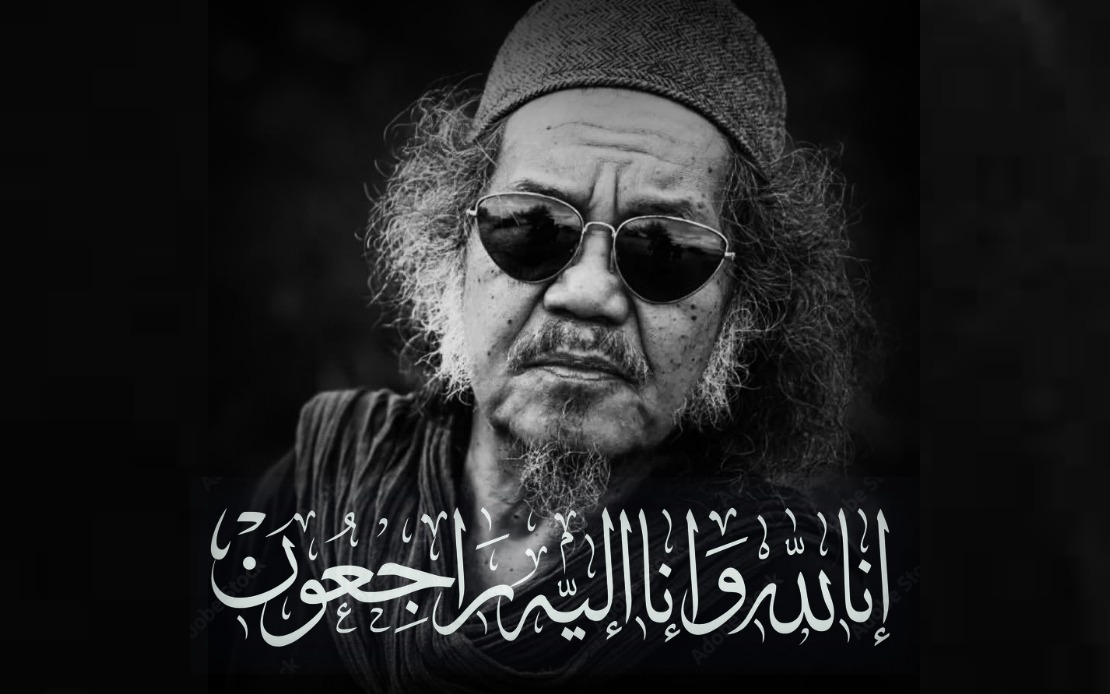
The Malaysian entertainment industry mourns the loss of Kamarool Yusoff, affectionately remembered as Cik Man, who passed away on August 5 at the age of 68. The beloved veteran performer succumbed to a heart condition while undergoing medical care at Tanah Merah Hospital, with his death occurring at 5:30 pm. His son, Ahmad Fakhrol Aliff, 23, confirmed the news and indicated that funeral arrangements would proceed the following morning, though the venue had yet to be formally determined.
The announcement of Kamarool's death was first shared across social media by fellow entertainer Mohammad Amirullah Azmi, professionally known as Amir Raja Lawak, who expressed heartfelt condolences to the grieving family. In his message, Amir Raja Lawak referenced the late actor by his various stage names—Kamarool Haji Yusoff, Farok, and Cik Man—acknowledging the multifaceted career of the performer. The tribute reflected the deep respect Kamarool had earned within entertainment circles, with Amir invoking Islamic prayers for the departed soul's eternal peace.
Kamarool's real name was Kamarozaman Yusoff, though his stage personas became far more recognizable to Malaysian audiences. His prominence in the local entertainment landscape stemmed largely from his iconic villainous performance in the legendary comedy series Gila-gila Remaja, a production that captured the imaginations of multiple generations of Malaysian television viewers. This role, which showcased his considerable dramatic range and comedic timing, became his most enduring legacy and cemented his place in the nation's popular culture.
Gila-gila Remaja itself holds a special position in Malaysian broadcasting history as a programme that defined an era of local television comedy. The series became a cultural phenomenon, spawning catchphrases, memorable characters, and a dedicated fanbase that extended well beyond the initial broadcast years. Kamarool's character, particularly in his capacity as the leader of the antagonistic faction within the show's narrative framework, provided both comedic relief and dramatic tension that made the programme compelling viewing. His ability to inhabit the character with such conviction demonstrated the calibre of his theatrical training and professional commitment.
Throughout his career in the Malaysian entertainment sector, Kamarool accumulated considerable experience spanning multiple decades of dramatic and comedic work. The respect accorded to him by contemporary performers like Amir Raja Lawak underscores the influence he wielded as a mentor figure and respected elder statesman of the industry. His passing represents not merely the loss of an individual performer but the disappearance of a living connection to Malaysian television's formative period, when locally-produced content was establishing the foundations for the nation's creative industries.
The cardiac health emergency that led to his hospitalisation reflects a broader health concern affecting individuals in their late sixties, particularly those who have maintained active professional schedules throughout their lives. Heart ailments remain among the leading causes of mortality in Malaysia and the broader Southeast Asian region, affecting individuals across all socioeconomic strata. Kamarool's case highlights the importance of regular health monitoring and the unpredictable nature of cardiovascular emergencies, even when individuals are receiving appropriate medical intervention.
For Malaysian audiences who grew up watching Gila-gila Remaja during its original broadcast run, news of Kamarool's death will likely trigger nostalgic reflections on the programme's significant cultural impact. The series represented a golden age of Malaysian television production when local creative talent could command substantial viewership and establish lasting entertainment franchises without dependence on imported programming. Kamarool's villainous roles contributed substantially to the show's appeal, providing the narrative counterweight necessary to create dramatic engagement and emotional investment from the viewing audience.
The entertainment community's response to Kamarool's passing will probably include tributes from colleagues, fellow performers, and industry veterans who worked alongside him during his productive years. Such remembrances typically highlight not only professional achievements but also personal qualities—generosity of spirit, mentorship capabilities, and the human dimensions that extend beyond on-screen personas. The loss of performers from earlier television generations becomes increasingly poignant as time passes and fewer individuals remain who can testify firsthand to the creative processes and interpersonal dynamics of Malaysian entertainment's foundational era.
Kamarool's death signals the continuing transition within Malaysia's entertainment sector as veteran performers from the analogue television era gradually pass from the scene, taking with them irreplaceable experiential knowledge about performance techniques, audience engagement strategies, and production methodologies that preceded digital transformation. While recordings of his performances may survive in archives and private collections, the personal relationships and informal knowledge transmission that characterised the broadcasting industry during his active years represent an irretrievable loss to the entertainment community.

