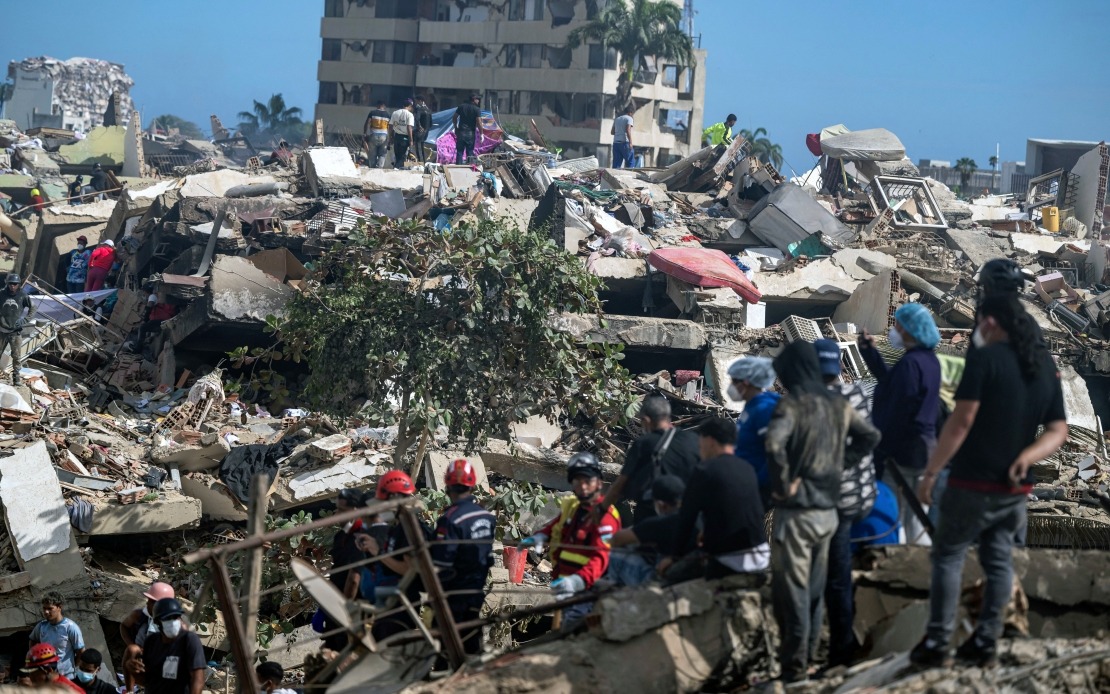
Northern Venezuela faces an unprecedented humanitarian crisis following the June 24 earthquake doublet, with National Assembly President Jorge Rodriguez confirming on Wednesday that the confirmed death toll has reached 2,295. The scale of the disaster continues to expand as authorities complete damage assessments across affected regions, revealing a humanitarian emergency of massive proportions that has stretched response resources across the nation and drawn unprecedented international assistance.
The two seismic events, measuring 7.2 and 7.5 magnitude respectively, have produced consequences that extend far beyond the initial impact. More than 11,267 individuals have sustained documented injuries ranging from minor to life-threatening conditions, placing extraordinary strain on Venezuela's already-challenged healthcare infrastructure. The displacement crisis has created an additional layer of complexity, with official figures indicating that 12,841 people have been forced from their homes, many with nowhere to return as structural assessments determine which buildings remain habitable.
The physical destruction visible from space underscores the earthquake's ferocity. NASA satellite data analysis indicates that more than 58,000 buildings sustained damage or total destruction across the affected zones. This figure suggests that entire urban areas and rural communities have been rendered partially or completely uninhabitable, necessitating not only immediate rescue operations but also longer-term reconstruction planning. The infrastructure damage extends beyond residential structures to critical systems including hospitals, water treatment facilities, and electrical networks.
Search and rescue operations have achieved significant successes despite the overwhelming scale of the disaster. More than 4,000 emergency personnel deployed across the impact zones have extracted 6,461 individuals from collapsed structures since the initial tremors. These figures represent a testament to the coordination and intensity of response efforts, though they also highlight the ongoing danger faced by both rescuers and potential survivors still trapped in rubble. Teams from more than 30 countries have joined Venezuelan personnel in what has become a multinational humanitarian mission.
Seismic activity has continued unabated since the initial earthquake, creating ongoing hazards for rescue workers and survivors. Electoral and municipal records document 782 aftershocks in the weeks following the primary seismic events. Seismologists monitoring the region have noted that both the frequency and intensity of these secondary tremors have declined over the past 48 hours, suggesting that the immediate seismic danger may be diminishing. However, this modestly encouraging news comes with important caveats, as experts caution that the threat has not disappeared entirely.
National authorities have urged populations in affected areas to maintain heightened awareness regarding compromised buildings and structures. Rodriguez emphasized during his televised briefing that despite declining seismic activity, citizens must remain vigilant around unstable concrete masonry and weakened structures that could collapse without additional seismic triggers. This warning reflects the reality that the earthquake's effects extend well beyond the initial moment of impact, creating ongoing hazards throughout recovery periods.
The international response demonstrates the scale of this disaster and its recognition as a major humanitarian event requiring coordinated global action. The United Nations has begun acquiring 10,000 body bags, a grim indication of both the confirmed deaths and realistic assessments of additional fatalities likely to emerge as rescue operations progress and missing persons are accounted for. This procurement reflects preparation for scenarios that authorities fear may emerge as buried victims are recovered from debris in coming weeks.
For Malaysian readers and Southeast Asian observers, this disaster carries particular relevance given the region's own seismic vulnerabilities. The 2004 Indian Ocean earthquake and subsequent regional tremors have demonstrated that large-scale seismic events can devastate even relatively advanced economies. The Venezuelan crisis illustrates the critical importance of earthquake preparedness infrastructure, early warning systems, and coordinated international response mechanisms—lessons particularly applicable to nations throughout Southeast Asia where tectonic activity poses ongoing threats to dense urban populations.
The recovery process will extend far beyond the immediate rescue phase, requiring sustained international support for reconstruction, disease prevention, and psychological services. The displacement of nearly 13,000 people creates refugee-scale humanitarian challenges that demand shelter, food, sanitation, and medical services. Venezuela's economic circumstances prior to the earthquake mean that domestic resources for recovery will likely be insufficient, ensuring that international assistance will remain critical throughout the coming months and years as the nation rebuilds its damaged communities and restores basic services to affected populations.

