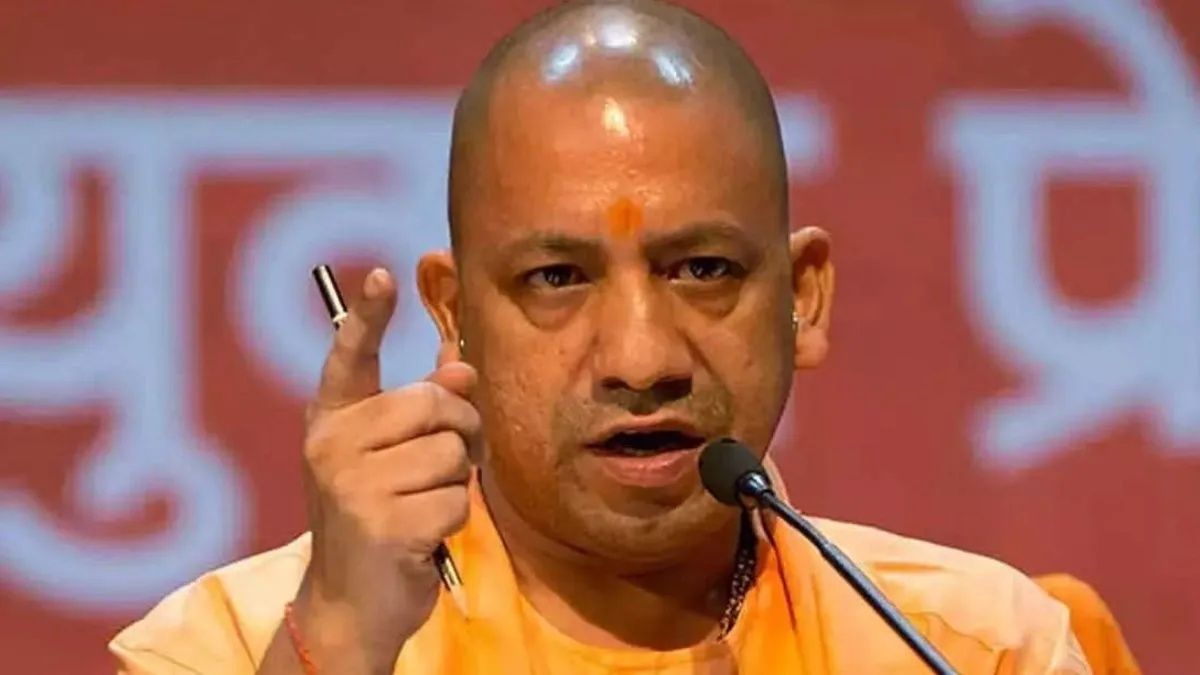
Uttar Pradesh Chief Minister Yogi Adityanath has vowed decisive action against those responsible for mishandling donations at the Shri Ram Janmabhoomi Teerth Kshetra in Ayodhya, declaring that any attempt to undermine public faith will face serious consequences. Speaking at a development project inauguration in Deoria on Friday, he expressed confidence that investigations overseen by a special investigation team would separate verified facts from unfounded claims and ensure accountability.
The assertion comes after police registered the initial complaint following recommendations from the SIT probe into the donation theft case. The Chief Minister emphasised the sacred nature of Ayodhya as a symbol of India's spiritual heritage and cautioned against making allegations without substantive evidence. He appealed to critics to cease what he characterised as baseless attacks on the temple's integrity and instead await the findings of the ongoing formal investigation.
Adityanath drew a sharp distinction between those who have historically supported the Ram temple movement and those he accused of obstructing it for decades. He singled out the Congress party, alleging it had long denied the historical existence of Lord Ram and fought court battles against the temple's construction through extensive legal challenges. According to his account, the party had consistently opposed the Shri Ram Janmabhoomi movement despite overwhelming public support for the initiative.
He also targeted the Samajwadi Party, accusing it of authoritarian conduct during its tenure in the state. Adityanath claimed the party had ordered firing on devotees chanting religious hymns and imposed restrictions on Hindu festivals and processions, including bans on Krishna Janmotsav celebrations and Kanwar Yatra pilgrimages. He referenced historical communal disturbances, suggesting the previous administration had failed to prevent or adequately manage communal violence during religious occasions such as Ram Navami and Durga Puja.
The Chief Minister's remarks underscore the highly polarised political environment surrounding the temple, which remains a potent electoral symbol in Indian politics. The Ram Janmabhoomi movement, which culminated in the December 2024 consecration ceremony after the 2019 Supreme Court verdict favouring construction, has become central to the Bharatiya Janata Party's political narrative in the region. For Southeast Asian observers, the intensity of religious and political identity around this issue reflects the complex intersection of faith, nationalism, and electoral politics that shapes Indian governance.
Adityanath positioned the current double-engine government—referring to the BJP's presence at both state and national levels—as the first administration committed to protecting religious sentiments and preventing financial impropriety at sacred sites. He characterised previous administrations as having facilitated corruption and looting, suggesting the Samajwadi Party's current criticism of the donation case stems from political frustration rather than genuine concern for proper management. This framing attempts to neutralise opposition criticism by attributing it to partisan motives.
The Chief Minister called on all political actors to exercise restraint and allow investigators to complete their work without public commentary or accusations. He explicitly requested that opposition parties either provide concrete evidence to the SIT or cease making allegations, suggesting that unsubstantiated claims about financial mismanagement damage public confidence in the institution. His appeal reflects an underlying concern that extended controversy could undermine the temple's standing as the nation's foremost Hindu pilgrimage site.
From a regional perspective, the donation case highlights governance challenges that extend beyond Ayodhya. Major religious institutions across South Asia, including those in Malaysia and Singapore with significant Hindu and Buddhist populations, face similar questions about financial transparency, donor accountability, and institutional oversight. The case underscores the importance of establishing robust internal audit mechanisms and clear financial governance frameworks for temples and religious organisations managing large donor contributions.
The remarks also reveal the political sensitivities involved when religious institutions become national symbols. Unlike purely commercial enterprises, temples serve not only as places of worship but as repositories of community identity and cultural continuity. When financial irregularities surface at such institutions, they carry heightened emotional and political consequences that transcend ordinary corporate governance issues. The government's investigative response, therefore, must balance thorough accountability with sensitivity to religious sentiments.
Adityanath's insistence on distinguishing between legitimate criticism and partisan attack reflects a broader challenge facing Indian public discourse. While institutional accountability remains essential, the highly charged religious and political context complicates the pursuit of neutral, fact-based investigation. The Chief Minister's call for the opposition to cooperate with authorities rather than score political points suggests recognition that public confidence in the inquiry's integrity depends partly on cross-party cooperation and mutual restraint.
Looking forward, the SIT investigation's findings and the government's response will likely set precedents for how major religious institutions in India manage financial transparency and donor accountability. The case has implications for temple governance across South Asia, where similar institutions grapple with balancing traditional autonomy in religious matters with modern accountability standards. For Malaysian readers familiar with the Batu Caves temple and other major Hindu shrines, the Ayodhya case illustrates universal tensions between institutional independence and public transparency.

