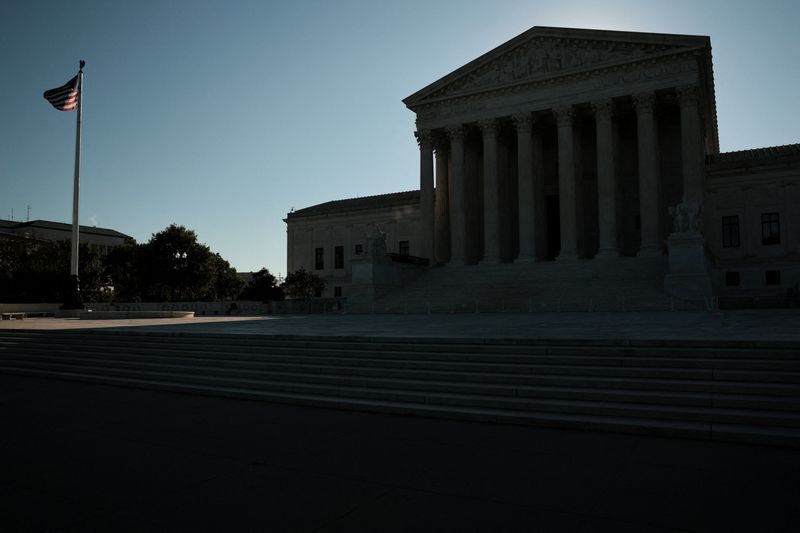
The US Supreme Court on Monday declined to hear an appeal by India-based Tata Consultancy Services seeking to reverse a $168 million damages judgment handed down by DXC Technology. The ruling centres on allegations that Tata misused proprietary information related to life-insurance software, a charge Tata has consistently denied.
The case stemmed from events in the 1990s when DXC's predecessor, Computer Sciences Corp, licensed software to insurer Transamerica. In 2019, DXC filed suit in Dallas federal court, claiming Tata recruited approximately 2,200 Transamerica employees and exploited their familiarity with the proprietary software to develop a competing platform. Tata contested the allegations, asserting that the information involved was not confidential and that its access to the software was lawful.
A jury in 2023 initially recommended damages of $210 million, though the judge later reduced this figure. The overall award comprises $56 million in compensatory damages and $112 million in punitive damages. The New Orleans-based 5th U.S. Circuit Court of Appeals upheld the revised amount in 2025.
Tata's Supreme Court petition argued on two main grounds: that DXC should not have recovered damages based solely on unjust enrichment without demonstrating concrete financial losses, and that the punitive component of the award was disproportionately high. The company maintained that the damages framework contradicted established principles of US trade secrets law.
DXC countered that the appellate court's decision was rooted in established legal precedent and factual findings that did not warrant intervention by the nation's highest court. Under applicable US law, plaintiffs in trade secrets cases may pursue both compensatory damages and remedies addressing the defendant's wrongful gains.