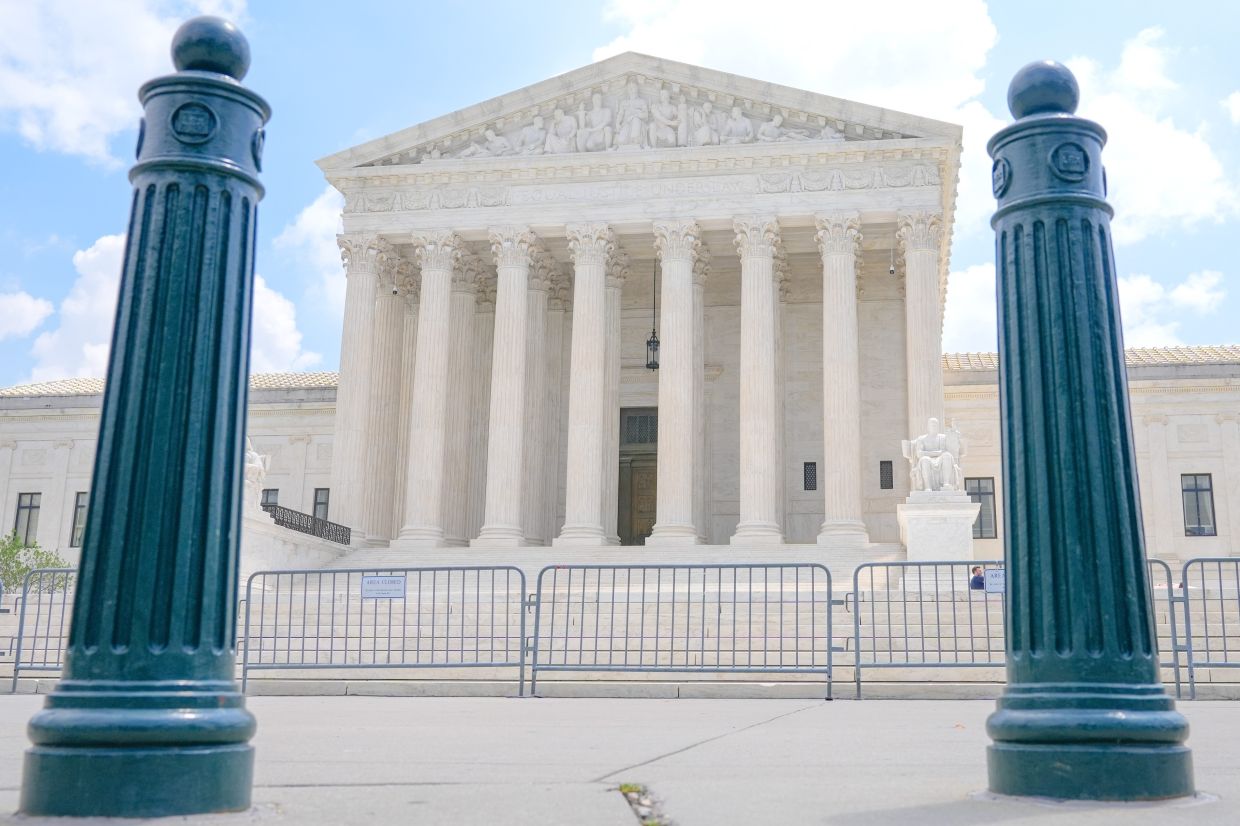
The United States Supreme Court has declined to intervene in a contentious battle over Texas legislation that mandates age verification before users can download mobile applications, clearing the way for the law to take effect despite ongoing constitutional challenges. Justice Samuel Alito issued brief orders rejecting multiple petitions filed by organizations seeking to block the Texas App Store Accountability Act, effectively siding with state authorities who argue the measure protects young people from harmful digital content.
The legal dispute represents a significant flashpoint in the evolving tension between state-level regulation of technology platforms and the tech industry's free speech protections. Texas has positioned itself at the forefront of efforts to impose stricter controls on digital marketplaces, while critics contend the law crosses constitutional lines by restricting access to legitimate information. The Supreme Court's refusal to grant emergency relief suggests the justices are unwilling—at least for now—to second-guess lower courts that have already permitted the law to proceed.
The path to this outcome involved multiple judicial hurdles. Last December, a federal district court had initially blocked the Texas App Store Accountability Act as unconstitutional, finding that it impermissibly restricted access to lawful speech. However, in June, a three-judge panel from the 5th US Circuit Court of Appeals reversed that decision and suspended the district court's injunction, allowing the law to move forward. With the Supreme Court's refusal to reinstate the block, the legislation now stands poised for implementation.
The Computer & Communications Industry Association and Students Engaged in Advancing Texas, the primary groups challenging the law, argue it violates the fundamental First Amendment rights of users by creating barriers to accessing protected speech categories including news content, educational material, and other information lawfully available to adults. Their legal team contended in filings that the government cannot impose such restrictions merely to substitute its judgment for parental authority, arguing that parents—not state officials—should determine what content their children access.
However, Texas Attorney General Ken Paxton's office has presented a starkly different characterization of the law's purpose and effects. State officials maintain that without age verification mechanisms, children using tablets or smartphones can freely download applications without parental knowledge or consent, potentially exposing young users to invasive data collection practices, privacy violations, and inappropriate material. From the state's perspective, the legislation addresses what they characterize as genuine threats posed by unregulated access to commercial digital platforms.
The constitutional question at the heart of the dispute hinges on whether age-gating mechanisms constitute permissible regulation or impermissible censorship. The plaintiffs argue that even well-intentioned protective measures cannot override foundational free speech principles, particularly when they effectively restrict adults' access to lawful content. They further contend that the law shifts responsibility away from parents, who maintain the traditional right to supervise their children's activities according to their own values and judgment.
Texas's approach reflects broader state-level momentum to regulate technology platforms more aggressively, particularly regarding minors' digital experiences. The state has positioned the App Store Accountability Act as a consumer protection measure targeting what officials view as exploitative commercial practices enabled by digital intermediaries. This framing attempts to distinguish regulation of conduct—data collection, privacy practices—from regulation of speech itself, though critics dispute whether such a distinction holds under constitutional scrutiny.
The Supreme Court's minimal engagement with these petitions—issuing only one-sentence orders denying relief—provides little insight into the justices' reasoning or their ultimate constitutional views on the matter. The terse denials suggest either that a majority believed emergency intervention was unnecessary, or that they preferred to allow the appellate process to continue developing the legal record before the Court potentially accepts the case for full review at a later stage.
For Malaysia and the broader Southeast Asian region, the Texas legislation and its judicial trajectory carry important implications. As countries across the region consider their own approaches to regulating technology platforms and protecting minors online, the American legal framework provides instructive—if complicated—precedent. Nations like Malaysia have moved deliberately to establish stricter digital governance through legislative frameworks such as the Digital Services Act provisions, and the constitutional tensions emerging in American litigation will likely inform regional policymaking conversations.
The stakes extend beyond theoretical constitutional debate. Implementation of the Texas law could reshape how technology companies operate their digital marketplaces, potentially forcing significant changes to application distribution systems. If other states adopt similar measures, the cumulative effect could fragment the mobile app ecosystem, creating different regulatory regimes that complicate the business operations of companies serving a national market.
The dispute also highlights the ongoing challenge of balancing legitimate child protection objectives against the preservation of open access to information and ideas. Different societies weigh these values differently, reflecting divergent cultural, legal, and philosophical traditions regarding government's role in family decision-making and the scope of protected expression.
Looking forward, the lawsuit appears likely to continue progressing through the appellate courts, potentially returning to the Supreme Court for plenary review once lower courts complete their analysis. The justices' ultimate decision on the merits of the Texas App Store Accountability Act could establish binding precedent affecting how states across America—and potentially influencing international approaches—regulate digital platforms operating within their jurisdictions.

