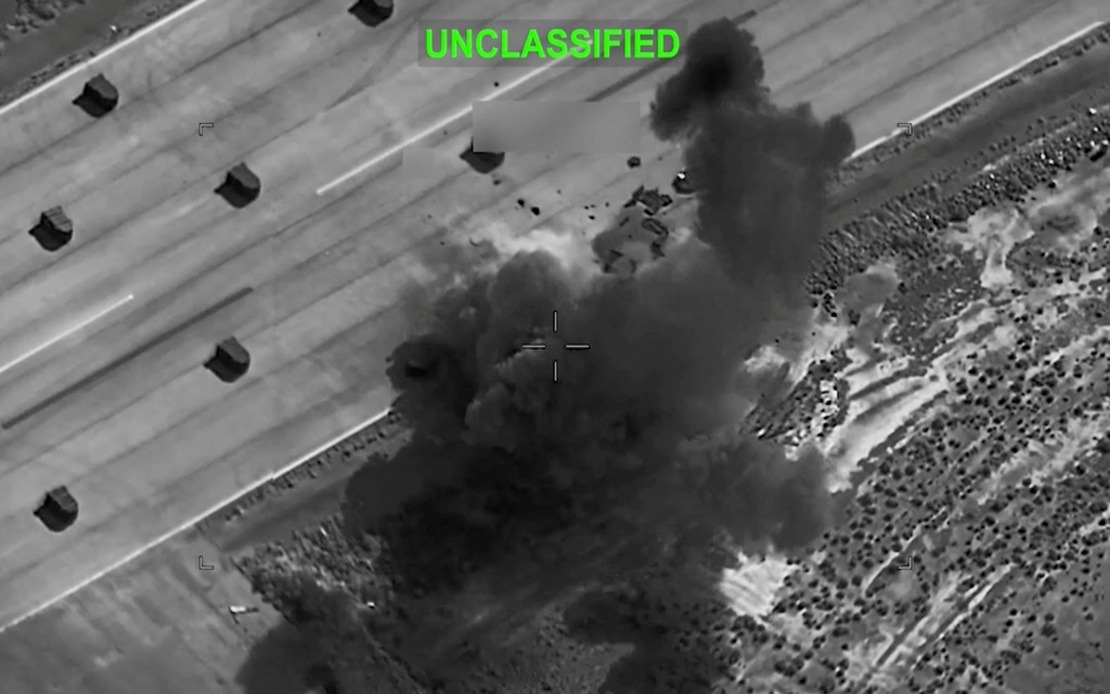
The Iranian Health Ministry has confirmed significant casualties resulting from American military operations conducted on July 8 and 9, with official spokesman Hossein Kermanpour announcing on Thursday that the strikes claimed 14 lives and left 78 others wounded. The attacks targeted five provinces across Iranian territory during a period when both nations were observing a ceasefire arrangement, raising fresh concerns about the fragility of de-escalation efforts in a region already marked by decades of tension and sporadic military confrontation.
Kermanpour disclosed his account through the social media platform X, indicating that among the injured, nearly 60 percent remained hospitalised for ongoing treatment while others had been released after receiving initial medical care. The statement underscores the scale of the operational impact, suggesting that the severity of injuries sustained in these strikes warranted extended medical intervention for a substantial portion of those affected. The exact locations and military nature of the targeted sites remain unclear from official Iranian announcements, though the multi-province scope indicates a geographically dispersed campaign.
The timing of these operations—occurring while a ceasefire was in effect—represents a significant escalation that contradicts any mutual understanding regarding restraint. Ceasefire agreements, whether formally negotiated or informally maintained, typically signal a reduction in active hostilities and military engagement. The breach of this understanding, if confirmed, would constitute a major diplomatic setback and potentially trigger a cycle of retaliatory responses that could unravel months of careful negotiation between Tehran and Washington.
For Southeast Asian observers and policymakers, the incident carries broader implications for regional stability and international law. Malaysia and other ASEAN nations maintain delicate diplomatic balances with both the United States and Iran, hosting significant Iranian expatriate communities and maintaining trade relationships with both parties. Escalation in the Iran-US conflict directly affects energy markets, investment flows, and the security environment across the Middle East, with ripple effects reaching Asian markets and supply chains dependent on stability in the Persian Gulf.
The reported attack pattern—targeting multiple provinces rather than isolated military installations—suggests a strategy aimed at demonstrating military capability and resolve rather than a narrowly focused counterterrorism operation. This approach typically signals heightened tensions and the possibility of a sustained campaign, which would mark a departure from the more restrained posture both nations have periodically adopted in recent years. The involvement of civilian areas in the targeting, if confirmed by independent verification, would raise serious questions regarding adherence to international humanitarian law and the laws of armed conflict.
Iranian responses to such strikes have historically followed a calculated trajectory, beginning with strong rhetorical denunciations before moving toward either diplomatic engagement or military countermeasures. The scale of casualties announced suggests Tehran may view this incident as warranting a substantial response, though whether that response materialises through direct military action, international legal proceedings, or intensified proxy operations remains uncertain. The coming days will prove critical in determining whether the two nations seek to contain the escalation or allow it to develop into a more serious confrontation.
The ceasefire's existence prior to these strikes indicates that behind-the-scenes negotiations and confidence-building measures had been pursued, likely through intermediary nations and international organisations. The breakdown of this arrangement, assuming the Iranian account is accurate, suggests that underlying disputes remain unresolved and that military solutions continue to hold appeal for at least one party. This pattern has characterised US-Iran relations since the 1979 revolution, with periods of relative calm repeatedly interrupted by military incidents and political crises.
International responses will likely reflect the geopolitical alignments of key players. Western nations may seek to contextualise the strikes within broader Middle East strategic concerns, while nations aligned with Iran through trade, defence cooperation, or regional partnerships will probably condemn the attacks as violations of international law and state sovereignty. The UN Security Council, constrained by the veto power of permanent members with differing interests, may struggle to take coordinated action, leaving the situation to bilateral negotiations and regional dynamics.
For Malaysia and Southeast Asia, the situation underscores the importance of maintaining strategic autonomy and avoiding entanglement in external powers' conflicts. The region's prosperity depends on freedom of navigation, stable energy supplies, and predictable international relations. Any further deterioration in the US-Iran standoff threatens these interests and may compel ASEAN nations to take more active diplomatic roles in conflict resolution, alongside established mediators such as Oman and Qatar.

