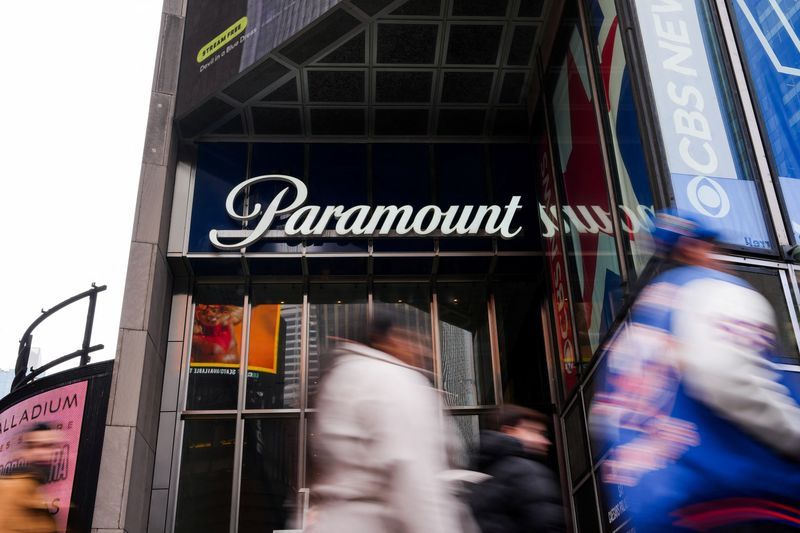
A coalition of twelve US states, led by California, is mounting a legal challenge to one of the entertainment industry's most significant proposed consolidations. The states are seeking to prevent the merger between Paramount Global and Warner Bros Discovery, arguing that combining two of America's five major film studios would fundamentally alter competitive dynamics in both theatrical exhibition and cable television distribution. California Attorney General Rob Bonta outlined the case at a news conference held strategically in front of the Hollywood sign, emphasizing that the deal threatens the economic viability of independent cinema operators already struggling to recover from pandemic-related disruptions.
The immediate concern for theatre operators centres on revenue sharing arrangements between studios and cinema chains. Under traditional agreements, studios and theatres have historically split box-office proceeds evenly, though major studios increasingly command between 50 and 60 percent of revenue from highly anticipated releases. The complaint filed by California, Oregon, New York, Minnesota and eight other states contends that a merged entity controlling over 27 percent of theatrical distribution market power would possess unprecedented leverage to demand even larger portions of ticket sales. Anonymous sources within independent theatre chains warn that operators would face a stark choice: accept unfavourable revenue terms from a consolidated studio, or forgo access to the blockbuster films essential for maintaining viable attendance numbers. The absence of viable alternatives creates what amounts to a captive negotiating position for cinema owners already operating on thin margins.
The financial pressure on theatres would translate into tangible degradation of the moviegoing experience, Bonta warned. Rather than absorbing reduced studio payments through operational efficiency, theatre operators would likely redirect capital away from facility improvements that have become critical competitive necessities. Over recent years, independent and regional cinemas have invested substantially in premium seating, expanded food and beverage offerings, and enhanced screen technologies to differentiate themselves from streaming services offering films in viewers' homes. These investments represent deliberate strategic choices to maintain theatrical relevance in an era when direct-to-consumer distribution channels have fundamentally altered audience expectations. A consolidated Paramount-Warner entity controlling major content pipelines could extract sufficient value through favourable revenue terms that theatre operators would be forced to defer or cancel modernization programmes, creating a competitive spiral where older, less attractive venues further lose patronage to better-appointed multiplexes operated by larger chains.
Paramount, under CEO David Ellison's leadership, characterizes the legal challenge as misreading settled antitrust principles and misrepresenting competitive dynamics within contemporary entertainment markets. The company argues that delayed regulatory approval would inflict substantial damage on entertainment sector workers already disadvantaged by technological disruption and streaming proliferation. The financial stakes underlying this rhetoric are concrete: Ellison has committed to paying Warner Bros Discovery shareholders a quarterly "ticking fee" of 25 cents per share, representing approximately 650 million dollars every quarter the deal remains incomplete. This structural incentive creates pressure for rapid closure, potentially before the October deadline specified in the merger agreement.
The theatrical exhibition industry itself, represented through Cinema United, has become an active participant in the antitrust dispute. The trade organization's leadership emphasizes that further consolidation among studio distributors carries consequences extending far beyond Hollywood boardrooms into communities nationwide. Michael O'Leary, Cinema United's president and chief executive, characterizes local movie theatres as cultural and financial cornerstones for municipalities of varying sizes, suggesting that regulatory approval of the merger would undermine community vitality alongside commercial film distribution. This framing appeals to broader policy concerns about economic concentration and its effects on Main Street commerce, potentially resonating with antitrust enforcers increasingly attentive to consolidation's cumulative community impacts.
Cable television distribution represents the second major competitive concern animating the state complaint. The merged entity would combine a substantial portfolio of networks including CNN, TNT, Food Network and HBO, enhancing bargaining leverage over cable and satellite providers obligated to carry these channels. Presently, competition between Paramount and Warner Bros Discovery for carriage arrangements creates pressure on distributors to negotiate reasonable terms and pricing. Elimination of this competitive dynamic would leave pay-TV operators with materially diminished negotiating positions, according to the states' allegations. With fewer major content providers and limited alternative network portfolios, cable companies would face essentially take-it-or-leave-it propositions from a consolidated Paramount-Warner entity. These increased content costs would likely transfer to consumer bills, representing a second avenue through which merger approval would increase costs for American households.
The complaint draws historical precedent from the 2019 Walt Disney acquisition of Fox entertainment assets, which the states argue demonstrated consolidation's actual impact on film production and distribution. Between 2015 and 2018, the combined Disney-Fox entities distributed 112 wide-release theatrical films annually. Following their separation and regulatory restructuring of Fox assets, the years 2022 through 2025 saw only 54 wide-release distributions from these studios. This reduction in theatrical content opportunities directly corresponds to increased pressure on cinema operators seeking reliable film supplies, potentially favouring larger chains with multiple screens capable of absorbing content scarcity through increased exclusive engagements.
The theatrical industry's ongoing recovery from pandemic disruptions provides crucial context for understanding the states' regulatory intervention. Year-to-date box office receipts in the US and Canada totalled 5.1 billion dollars in 2026, representing 10.6 percent improvement over the preceding year. However, this recovery remains substantially incomplete, with theatrical revenues remaining 16.3 percent below pre-pandemic 2019 levels according to Rentrak data. Theatre operators operating within this environment of incomplete recovery face particular vulnerability to adverse changes in studio-theatre revenue arrangements. A consolidated studio entity with enhanced bargaining leverage could exploit this weakness to secure material increases in its share of box office proceeds, effectively shifting substantial portions of theatrical revenue toward studios precisely when cinema operators are attempting to restore profitability and fund necessary facility improvements.
Malaysian and Southeast Asian readers should recognize that entertainment industry consolidation occurring within major global markets creates ripple effects throughout international distribution networks. Paramount and Warner Bros Discovery maintain substantial business operations throughout Asia, including theatrical distribution, streaming services, and cable network operations. A consolidated entity would exercise enhanced control over content availability, licensing terms, and distribution arrangements affecting regional theatrical operators and cable providers. The precedent established through American regulatory decisions regarding studio consolidation influences subsequent consolidation debates within other jurisdictions, as competition authorities internationally often reference US antitrust enforcement approaches when evaluating similar transactions within their own markets. Furthermore, content scarcity and pricing pressures originating from studio consolidation in primary markets frequently extend internationally, affecting the economic viability of regional cinema operators dependent on major studio content for sustainable operations.
The regulatory timeline remains uncertain, though the October deadline for Paramount's quarterly ticking fee payments creates financial pressure toward resolution. Paramount's position that blocking the merger would harm entertainment workers reflects a broader industry argument that consolidation represents a necessary adaptation to streaming disruption and declining theatrical attendance. The states counter that accepting consolidation as inevitable surrender accepts a restrictive vision of entertainment industry organization, arguing instead that competitive pressure among multiple studios remains essential for maintaining reasonable terms for theatre operators, affordable consumer pricing, and diverse content production. The ultimate judicial determination of these competing claims will significantly influence both American entertainment industry structure and, by extension, theatrical and television markets throughout regions including Southeast Asia where major studio content remains foundational to local exhibition operators' business models.

