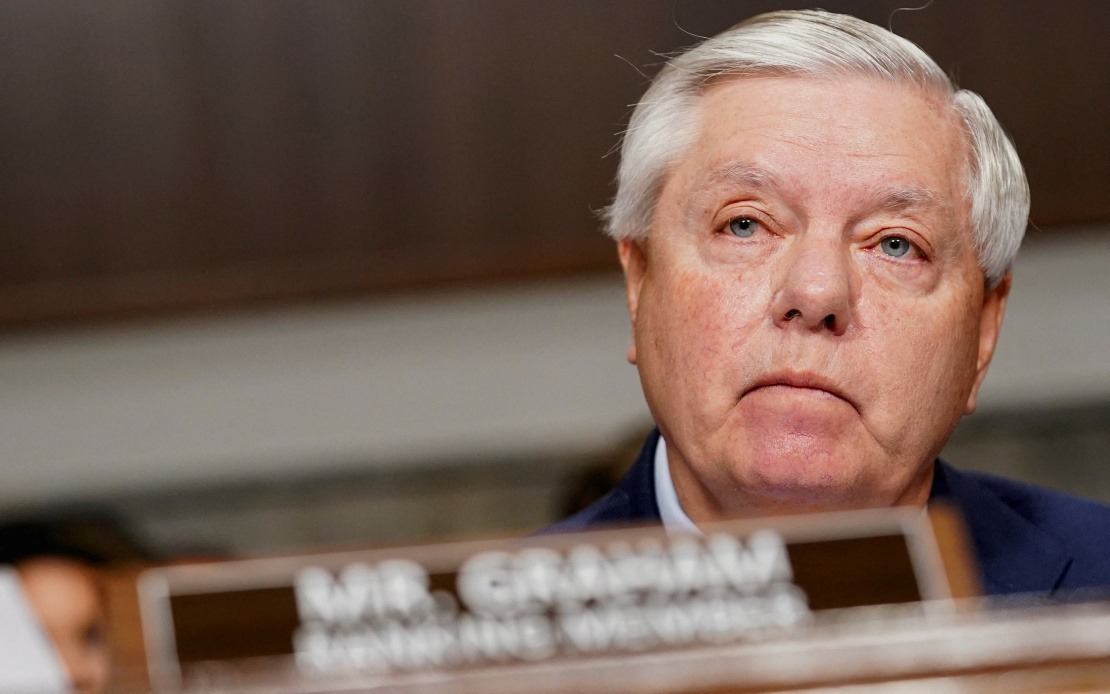
Lindsey Graham, the influential Republican senator from South Carolina who served as a stalwart supporter of former President Donald Trump and chaired the Senate Budget Committee, died on Saturday evening at the age of 71. His office released a statement on Sunday confirming his passing, attributing it to a brief and sudden illness that struck him down over the weekend. The announcement marked the end of a significant political career spanning more than two decades in the upper chamber of Congress.
Graham's family released a brief statement asking for prayers and private space as they navigated their loss during what they described as an incredibly difficult period. The suddenness of his death sent shockwaves through Washington and political circles, particularly given that he had been actively engaged in high-profile activities just days before his passing. His unexpected departure has raised questions about succession and the trajectory of key Senate positions, including his chairmanship of the influential Budget Committee.
The South Carolina politician built a formidable political career after his initial election to the Senate in 2002. He subsequently secured reelection in 2008, 2014, and 2020, demonstrating considerable staying power in a competitive political environment. His parliamentary record reflected a conservative orientation aligned with Republican Party priorities, though his career was often marked by pragmatic positions on foreign policy and international relations issues.
Graham's relationship with Trump became one of the defining features of his later career trajectory. Beyond his party affiliation, he emerged as one of the former president's most dependable allies within the Senate, providing consistent support on major legislative and political matters. This alignment with Trump's political movement solidified his standing within Republican circles and shaped much of his public profile in recent years.
At the time of his death, Graham was in the midst of preparing for another electoral contest. He was actively campaigning for a fifth six-year Senate term, with the November general election looming. His reelection bid represented a continuation of his long-standing political presence in South Carolina, where he maintained significant influence within state Republican organizations and among conservative voters.
Just days before his death, Graham had completed an international diplomatic visit to Ukraine. On Friday, he had traveled to Kyiv where he held discussions with President Volodymyr Zelenskyy, reflecting his ongoing involvement in matters of foreign policy and geopolitical significance. The visit underscored his continued engagement with international affairs despite his primary focus on domestic politics and Senate business. His presence in Ukraine at that time demonstrated his commitment to monitoring developments in the conflict and maintaining direct communication with key allies.
The timing of Graham's illness came at a particularly significant moment in the American political calendar. With the 2024 election approaching, Senate dynamics were in flux as incumbents prepared for contested races. Graham's unexpected passing leaves a vacant seat that carries substantial influence within the chamber, given his committee positions and seniority. The South Carolina legislature will now face the responsibility of determining how to fill the vacancy until a successor can be elected through the established electoral process.
For Malaysian and Southeast Asian observers, Graham's death underscores the unpredictable nature of political leadership transitions and the potential for sudden shifts in international relations. As someone deeply involved in foreign policy matters and Trump administration initiatives, his departure may influence how future American administrations approach engagement with the Indo-Pacific region. The uncertainty surrounding Senate leadership on key committees could have ripple effects on bilateral relationships and regional security arrangements that depend on continuity of American policy direction.
The loss of a long-serving Senate figure of Graham's stature reflects broader challenges within democratic institutions where institutional knowledge and relationships matter considerably. His passing removes from the Senate a politician who accumulated substantial experience in legislative processes and international diplomacy over more than two decades. The transition to new leadership will require adjustments in how Senate work is organized and how relationships between Congress and the executive branch function going forward.
Graham's legacy will likely focus on his role as a Republican stalwart during a transformative period in American politics, his chairmanship of important committees, and his involvement in shaping military and foreign policy priorities. His sudden departure serves as a reminder of the fragility of life and the importance of political succession planning, particularly in nations with significant global influence like the United States. The Senate and his political party will now navigate the process of mourning while simultaneously addressing the practical considerations that accompany the loss of senior leadership.

