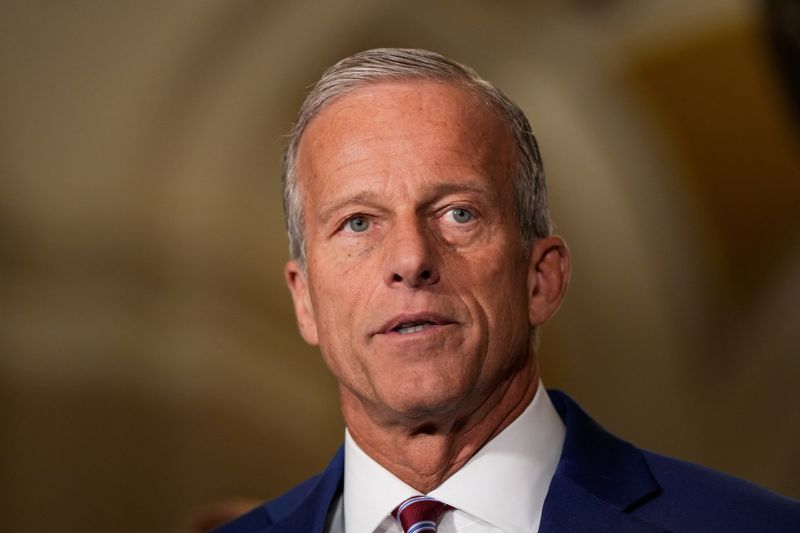
The U.S. Senate is on track to advance a transformative cryptocurrency bill that would reshape how digital assets are regulated at the federal level. On Saturday, Senate Majority Leader John Thune filed procedural motions to set up a key vote on the Clarity Act when Congress returns from its August recess in mid-September, signalling that Republican leadership believes the measure has a viable path to passage despite considerable Democratic opposition. The manoeuvre represents a significant moment for an industry seeking legitimacy through clear regulatory rules, and a potential legislative victory for President Donald Trump, whose administration has made crypto policy a cornerstone of its second-term economic agenda.
The Clarity Act would establish the first comprehensive federal rulebook governing the cryptocurrency sector, addressing a years-long gap in U.S. regulatory architecture. The legislation would clarify the legal status of digital tokens, determining which should be classified as securities requiring oversight by the Securities and Exchange Commission and which qualify as commodities falling under the Commodity Futures Trading Commission's purview. Industry advocates argue this definitional clarity is essential to remove the uncertainty that has hampered crypto companies' ability to operate, innovate, and attract institutional investment. Currently, the regulatory landscape remains fragmented, with different agencies claiming jurisdiction over various aspects of digital assets, creating confusion for businesses navigating compliance requirements.
For the bill to clear the Senate's 60-vote threshold, Republican leaders will need to secure support from at least eight Democrats alongside all Republican voting members. This mathematical reality underscores the challenge facing proponents, as many Democrats remain sceptical of expanding crypto's role in the financial system. The Republican leadership's confidence in filing procedural votes suggests they have either made progress in persuading moderate Democrats or believe they can do so during negotiations scheduled after the recess. The fluid nature of these discussions indicates that compromises may yet materialise, particularly around contentious issues that have divided the chamber.
The White House has been actively championing the Clarity Act as part of a broader pro-crypto agenda. Trump, who actively courted cryptocurrency industry donations during his 2024 campaign, has prioritised crypto reform during his second administration. His family's substantial financial interests in digital assets add both momentum and controversy to the push. Last year, Trump reported over $1.4 billion in income derived from his family's crypto ventures, making his administration's regulatory approach particularly sensitive to accusations of self-interest. This financial dimension has become a focal point for Democratic critics, who contend that government officials with direct stakes in crypto's success cannot objectively craft its regulatory framework.
The Clarity Act would represent Trump's second major crypto policy victory during his current term. Last year, he signed legislation supporting stablecoins—cryptocurrencies pegged to the U.S. dollar—into law, providing these tokens with increased regulatory legitimacy. Stablecoins have emerged as a crucial infrastructure element within the crypto ecosystem, functioning as a bridge between traditional finance and digital assets. A successful Clarity Act passage would substantially amplify these earlier gains, creating a comprehensive ecosystem of crypto-friendly policies that the industry has long sought. Together, these measures would signal Washington's embrace of digital assets as a permanent feature of America's financial landscape.
The crypto industry invested heavily to achieve this legislative moment. During the 2024 election cycle, cryptocurrency companies and advocates contributed over $119 million to candidates perceived as supportive of pro-crypto policies, specifically hoping to create a Congress capable of passing the Clarity Act and advancing the stablecoin legislation. This expenditure reflects the industry's confidence that regulatory clarity would unlock significant growth opportunities and establish cryptocurrencies as mainstream financial instruments. The concentration of resources on this particular legislative goal demonstrates how intensely the sector prioritises federal framework development over other potential regulatory actions.
Traditional financial institutions view the Clarity Act with considerable apprehension. Banks have mobilised to oppose or limit specific provisions they regard as threatening to their business models. Particular anxiety centres on language that would permit cryptocurrency companies to offer interest or rewards on customer stablecoin holdings, effectively allowing crypto platforms to compete directly with banks for customer deposits. This competitive concern touches on the fundamental question of how digital assets will fit within the broader financial system. Should crypto platforms gain regulatory approval to offer banking-like services, the traditional banking sector faces material challenges to its deposit-gathering business and its historically privileged position as intermediaries in the financial system.
Democratic opposition to the Clarity Act encompasses both philosophical concerns about crypto regulation and practical worries about personal financial conflicts. Democrats have advocated for stronger restrictions on government officials' ability to engage in cryptocurrency ventures while in office or while helping to craft policies affecting the industry. These negotiations remain ongoing and fluid, suggesting that Democrats might support a modified version of the bill if conflict-of-interest protections meet their standards. The evolution of these discussions could determine whether the final legislation survives its September floor vote or whether compromises prove insufficient to shift Democratic positions.
For Malaysia and the broader Southeast Asian region, the outcomes of U.S. crypto regulation deserve close attention. As the world's largest economy and a financial centre of global influence, American regulatory decisions typically cascade into international standards-setting bodies and influence how other nations approach digital assets. Countries throughout Southeast Asia—including Singapore, which has positioned itself as a crypto hub, and others developing their own frameworks—often reference U.S. regulatory approaches when crafting domestic policy. Should the Clarity Act pass, it would likely accelerate similar legislative efforts across the region, potentially creating harmonised standards that facilitate cross-border crypto transactions and institutional investment flows. Conversely, if the bill stalls, international momentum toward comprehensive regulation might similarly decelerate.

