The United States has moved aggressively to reshape the agenda for the G20 summit scheduled for December 14-15 at Trump National Doral in Miami, according to delegation members who participated in this week's preparatory negotiations. The push represents a significant departure from the multilateral development framework that has traditionally anchored the group's work, with American negotiators pressing to narrow the declaration to issues of immigration, transnational crime, terrorism, foreign investment, and what Washington frames as "fair trade". Discussions occurred during the second round of sherpa-level talks held in Washington on Monday and Tuesday, where senior diplomatic negotiators from each of the twenty nations convened to draft language for the joint statement leaders will issue at the summit.
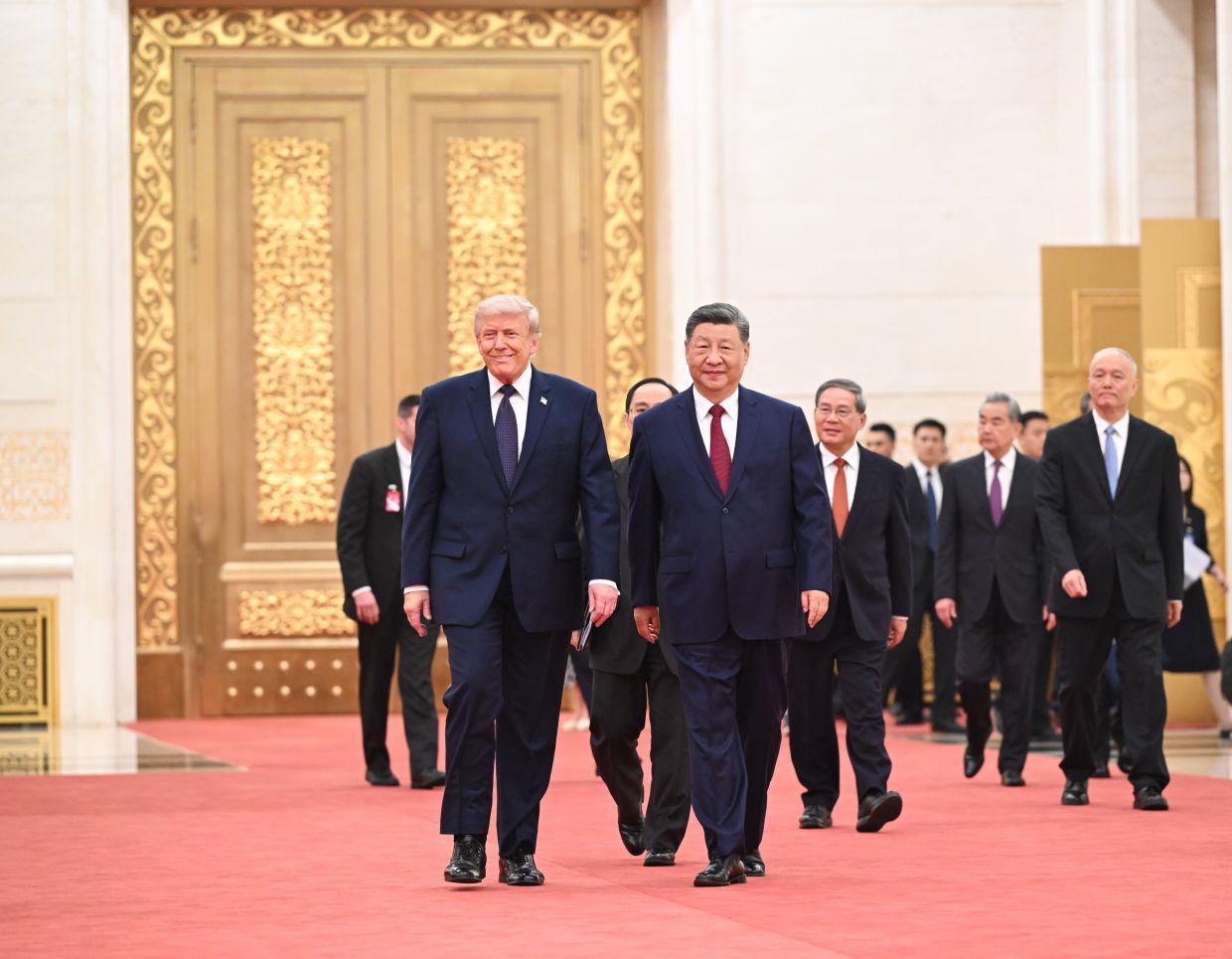
Two delegation members, speaking anonymously because the negotiations remain confidential, characterised the American approach as fundamentally undermining the group's inclusive ethos. They described a sustained effort since December, when preliminary drafting began, to strip substantive commitments on poverty reduction, energy transition, and gender-related initiatives from the text. One negotiator offered a particularly candid assessment of Washington's framing, characterising the gathering as what American officials treated as "a pretty backdrop for a photo of Trump and Xi", suggesting that the bilateral relationship between the world's two largest economies has eclipsed broader multilateral objectives. The White House and US State Department did not respond to requests for comment on these characterisations.
Russia has publicly echoed similar frustrations about the direction of negotiations. Marat Berdyev, Russia's ambassador-at-large, previously aired grievances about the approach, though Russian negotiators including sherpa Denis Agafonov, head of the presidential experts' directorate, nevertheless participated in this week's discussions. Berdyev told the state news agency Tass that the meeting would centre on Miami preparations and on tracks encompassing trade, energy, and finance, indicating that Moscow remains engaged even as it voices concerns about the narrowing scope.
China's apparent acquiescence to the American agenda has raised questions among observers about Beijing's negotiating priorities. The Chinese embassy in Washington declined to confirm which officials were representing Beijing in the sherpa talks, stating it was "not aware of the specifics" of the representation. More significantly, a delegate present at the discussions reported that China had not objected to the United States abandoning energy-transition initiatives, a surprising posture given that the clean energy transition represents a central pillar of Beijing's domestic and international policy agenda. When approached for explanation of this restraint, the Chinese embassy offered no direct answer, instead pivoting to statements about China's renewable energy leadership and its role as "a responsible major developing country" committed to building "a clean and beautiful world".
The silence on climate matters is particularly striking given the technical commitments China has accumulated over recent years. The embassy pointed to what it described as "the world's most complete policy system on reducing carbon emissions" and "the world's largest renewable energy system" as evidence of Beijing's environmental stewardship. Yet this rhetorical emphasis on clean energy credentials sat uneasily against Beijing's apparent willingness to permit the removal of energy-transition language from a multilateral agreement where such commitments carry symbolic and diplomatic weight. Analysts have previously noted that global climate pledges often fall short of what climate science demands; earlier targets advanced by major economies were assessed as insufficient to meet the Paris Agreement's goal of keeping temperature rises well below 2 degrees Celsius, falling roughly 10 percentage points short of the required 30 percent emissions reduction and typically including no specified peak year for emissions.
The trajectory of these negotiations reflects broader strains within the G20 during the American presidency. Earlier this year, the first finance ministers' meeting under US leadership concluded without a joint statement or the customary press conference, signalling dysfunction at a senior level of the group's work. The exclusion of Russia from full participation—the first such exclusion of a member state in the group's history—has generated objections from several governments, complicating consensus-building even among those nations that might otherwise align with American positions. While South African President Cyril Ramaphosa and others have registered formal objections to Russia's partial sidelining, these protests have not fundamentally altered the trajectory of the current presidency's agenda-setting.
For Malaysian readers and Southeast Asian observers, these dynamics carry particular significance. The G20 traditionally serves as a forum where middle-income and developing nations can influence global economic governance alongside the world's wealthiest economies. A summit shaped primarily around bilateral US-China dynamics and narrow security concerns marginalises the development priorities that matter to countries throughout the region. Indonesia, as chair of the preceding G20 presidency, had emphasised inclusive growth and development finance; Thailand, Vietnam, and other ASEAN economies depend significantly on predictable international frameworks for trade and climate action. The American narrowing of the agenda potentially diminishes space for these regional concerns to receive serious multilateral attention.
The Miami summit's location at Trump National Doral, the president's private golf resort, itself symbolises the personalised nature of the gathering. Hosting a major international summit at a commercial property owned by the sitting president presents unusual governance questions and may signal how much this particular iteration of G20 diplomacy prioritises bilateral relationship-building over institutional multilateralism. Xi Jinping's anticipated attendance signals China's willingness to engage in high-level bilateral diplomacy with Washington, even as broader G20 work becomes increasingly constrained.
The practical implications of this reframing extend beyond diplomatic formality. Removing language on poverty reduction from a G20 declaration sends a message about the group's priorities during a period when global inequality remains a pressing challenge and when developing nations face fiscal constraints from debt servicing and climate adaptation needs. Energy-transition language matters not merely symbolically but because such declarations often anchor subsequent technical working groups and financial commitments. By narrowing the agenda to security and trade concerns, the American presidency is fundamentally reordering the group's work in ways that advantage larger, more militarily influential powers while reducing the leverage of smaller economies seeking global cooperation on development and environmental challenges.
The coming weeks will reveal whether other G20 members, particularly China and the European nations, will push back against this narrowing or whether the summit will indeed function primarily as the backdrop for Trump-Xi engagement that one frustrated negotiator described. The silence from Beijing thus far suggests that either Chinese officials have calculated that bilateral discussions with Washington are more valuable than multilateral declarations, or that the broader geopolitical moment favours accommodation on this particular set of issues. Either way, the contours of the December summit are being determined not by the traditional inclusive consensus-building that characterises the G20, but by American pressure to reshape the agenda according to Washington's immediate strategic interests.

