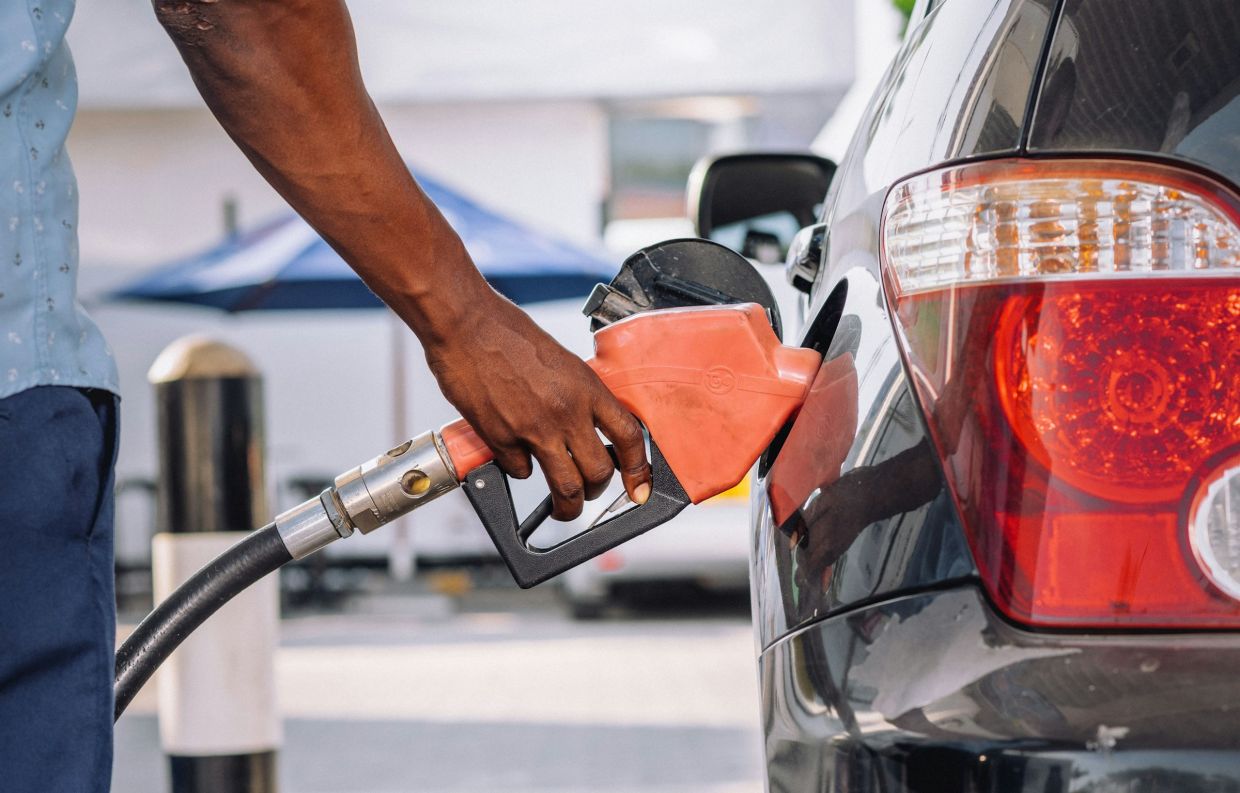
A coalition of California consumers has initiated legal proceedings against several major petrol station operators, claiming they deployed artificial intelligence technology to artificially inflate fuel prices across the state. The lawsuit names Walmart Inc, Marathon Petroleum Corp, BP Plc and 7-Eleven Inc as defendants, along with the technology provider Kalibrate Fuel Systems Ltd. The case was filed Monday in federal court in Sacramento and represents one of the first legal challenges brought under California's newly enacted anti-algorithmic pricing legislation.
The defendants collectively operate more than 1,700 filling stations throughout California, a network giving them substantial control over the state's retail petrol market. According to the complaint, these operators utilised Kalibrate's pricing software, which functions as an automated system capable of adjusting pump prices in real-time based on confidential competitive data. The technology enabled coordinated pricing strategies across multiple locations, the plaintiffs contend, at a time when petrol prices had reached extraordinary levels. In some California regions, prices topped US$7 per gallon, significantly exceeding national averages and placing the state at the forefront of fuel cost inflation across America.
The core allegation centres on the magnitude of price increases the plaintiffs attribute directly to the algorithm's deployment. According to the lawsuit, petrol prices were inflated by as much as US$0.22 per gallon through this mechanism, whilst diesel experienced even larger markups of approximately US$0.33 per gallon. These increases occurred atop an already elevated price environment, which the complaint attributes partly to geopolitical factors including tensions between the United States and Iran. The financial impact on California consumers, according to plaintiff calculations, is staggering: each additional penny added to fuel costs annually costs the state's drivers approximately US$134 million in aggregate overpayment.
The timing of this lawsuit reflects growing regulatory scrutiny of California's fuel market. One month prior to the court filing, California's fuel watchdog agency issued formal subpoenas to certain station operators, signalling heightened investigation into pricing practices. This regulatory attention represents part of a broader shift in state oversight of the petroleum industry that intensified following Governor Gavin Newsom's legislative agenda in 2023 and 2024. Multiple bills signed during this period expanded the state's powers to monitor and regulate fuel pricing mechanisms, reflecting public and political concern about consumer vulnerability to price manipulation.
The suit represents a test case for AB 325, landmark legislation California enacted last year specifically prohibiting the use of shared pricing algorithms in the fuel retail sector. This law was designed to prevent the exact scenario the plaintiffs describe: coordinated pricing systems that use aggregated market data to suppress competition and inflate consumer costs. By challenging the algorithm's legality under California's antitrust statutes, the lawsuit seeks to establish precedent for enforcement of these new protections. Beyond statutory violations, the complaint invokes California's broader antitrust framework, positioning the case as a challenge to anticompetitive behaviour that harms consumers.
The remedies sought in the litigation extend beyond individual compensation, aiming to establish systemic accountability. The plaintiffs are requesting damages on behalf of all California drivers who purchased petrol during the period when these pricing practices were allegedly in effect. The scope of such claims could be substantial given the state's large population and the duration over which the algorithm may have influenced prices. Success in this case could establish liability frameworks that discourage similar technological deployment in the fuel sector elsewhere.
The named defendants have responded with measured public statements or silence. Walmart acknowledged receipt of the complaint and indicated it would defend itself in court proceedings. BP declined to provide substantive comment. Marathon Petroleum, 7-Eleven, and Kalibrate Fuel Systems have not publicly responded to requests for comment on the allegations. Their reticence suggests they may be preparing comprehensive legal defences whilst avoiding statements that could be used in litigation or regulatory proceedings. The lack of robust public denial from defendants implies they are likely to contest either the factual allegations or the legal theory underlying the suit.
The case arrives amidst intensified political attention to California's fuel market. The Trump administration's Energy Secretary Chris Wright has cited California's high petrol prices as justification for controversial offshore oil drilling projects within state waters. This politicisation of fuel prices underscores how the issue resonates beyond consumer advocacy circles. Higher petrol costs affect political perceptions of state governance and economic management, creating pressure on policymakers to demonstrate decisive action against perceived price gouging.
For Malaysian and Southeast Asian observers, this case illuminates how developed economies are deploying legal and regulatory tools to combat algorithmic price manipulation in essential commodities. As artificial intelligence becomes increasingly integrated into pricing strategies across industries globally, the precedent established by California's approach could influence how other jurisdictions address similar concerns. The case also demonstrates how consumer advocacy and regulatory bodies can collaborate to challenge corporate use of technology that may harm public interests, an increasingly relevant dynamic as automation expands into price-setting mechanisms across various sectors.