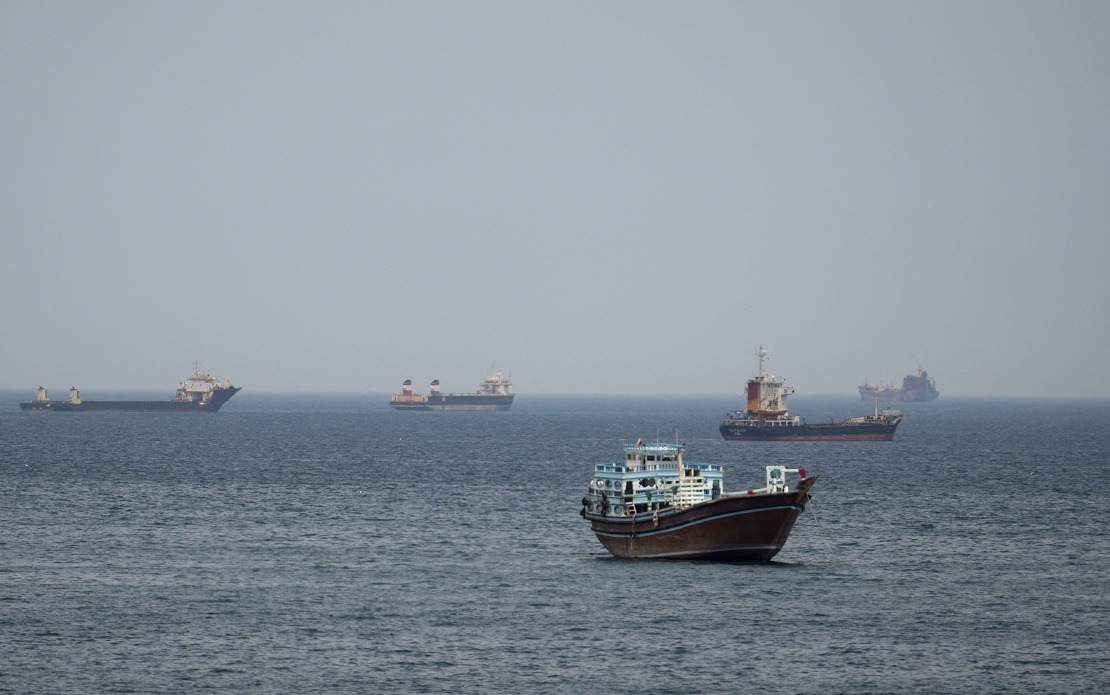
The United States military has overseen the safe passage of more than 800 commercial vessels through the Strait of Hormuz since early May, according to a statement from US Central Command on Thursday. This logistical achievement underscores Washington's commitment to maintaining freedom of navigation through one of the world's most strategically important maritime corridors, even as regional tensions between the US and Iran continue to simmer.
The 800 vessels that transited the waterway collectively transported approximately 380 million barrels of crude oil, highlighting the critical economic significance of the shipping lanes. For Southeast Asian nations, particularly those with substantial energy imports from the Middle East, the security of this corridor remains paramount. Any sustained disruption could send ripples through regional supply chains and energy markets, affecting everything from fuel prices at Malaysian petrol stations to manufacturing costs across Asean.
The US military's protective role has become increasingly visible as the geopolitical climate in the Persian Gulf region deteriorates. Tensions between Washington and Tehran have flared repeatedly over recent weeks, with both sides engaging in military posturing and retaliatory strikes. The announcement of safe passage figures appears designed to reassure global shippers and energy markets that despite the volatility, commercial operations continue uninterrupted under American security guarantees.
The situation took a dangerous turn when Iranian forces allegedly targeted three commercial vessels operating within the Strait of Hormuz. In response, the US conducted retaliatory military operations, prompting Iran to launch a series of counterstrikes against American military installations across the region. These tit-for-tat escalations, occurring over a 48-hour period, demonstrate how quickly tensions can ignite in this crucial waterway, where roughly one-third of the world's seaborne traded oil passes daily.
Iranian retaliation specifically targeted US military infrastructure in Bahrain, Kuwait, Qatar, and Jordan—a coordinated response that reflects Tehran's determination to assert its regional capabilities. These strikes represent a significant escalation from previous incidents and signal Iranian willingness to directly challenge American military presence in the Gulf region. The breadth of the Iranian response, spanning multiple countries, suggests a deliberate strategy to demonstrate reach and resolve.
For Malaysia and other Asean members, the deteriorating US-Iran standoff presents a delicate diplomatic challenge. The region depends heavily on stable maritime trade routes and stable energy supplies, both of which are threatened by prolonged conflict. Additionally, Asean nations maintain diplomatic and economic relationships with both the United States and Iran, placing them in a position where they must navigate carefully between competing great powers without alienating either side.
The continued flow of shipping through the Strait of Hormuz, despite mounting dangers, reflects both the economic desperation to maintain trade and the protective presence of American military assets. Shipping companies, insurers, and energy traders have adapted to the new reality of operating in contested waters, with premium rates reflecting the enhanced risk profile. The passage of 380 million barrels of crude oil through the corridor since May represents a conscious decision by global energy markets that the commercial value of maintaining supply lines justifies the inherent dangers.
The fragile truce between the US and Iran that has held until now faces its most serious test since early May. Analysts suggest that any further escalation could threaten this precarious equilibrium, potentially leading to widespread disruptions. The stakes extend well beyond bilateral US-Iranian relations—they encompass global energy security, international trade, and the stability of an entire region where multiple powers vie for influence.
CENTCOM's emphasis on the 800-vessel milestone serves a dual purpose: demonstrating operational effectiveness while signalling resolve to adversaries and reassuring allies. For shipping companies contemplating routes through the Strait of Hormuz, the statement provides some confidence that American naval presence offers meaningful protection against Iranian interference. However, the simultaneous reporting of ongoing US-Iran military exchanges tempers any sense of long-term security.
The situation highlights broader shifts in global maritime security dynamics. The concentration of critical energy resources in regions of geopolitical instability means that middle powers like Malaysia cannot remain passive observers. Strategic foresight demands that Asean nations consider diversification of energy sources, investment in alternative supply routes, and coordinated diplomacy aimed at de-escalation.
Looking ahead, the sustainability of current shipping patterns depends on whether the US and Iran can manage their rivalry without allowing it to spiral into full-scale conflict. The 800-vessel transit figure represents not merely a logistical achievement but evidence of the international system's determination to maintain essential trade flows despite profound political discord. For Southeast Asia, ensuring the durability of this arrangement remains a vital national interest.

