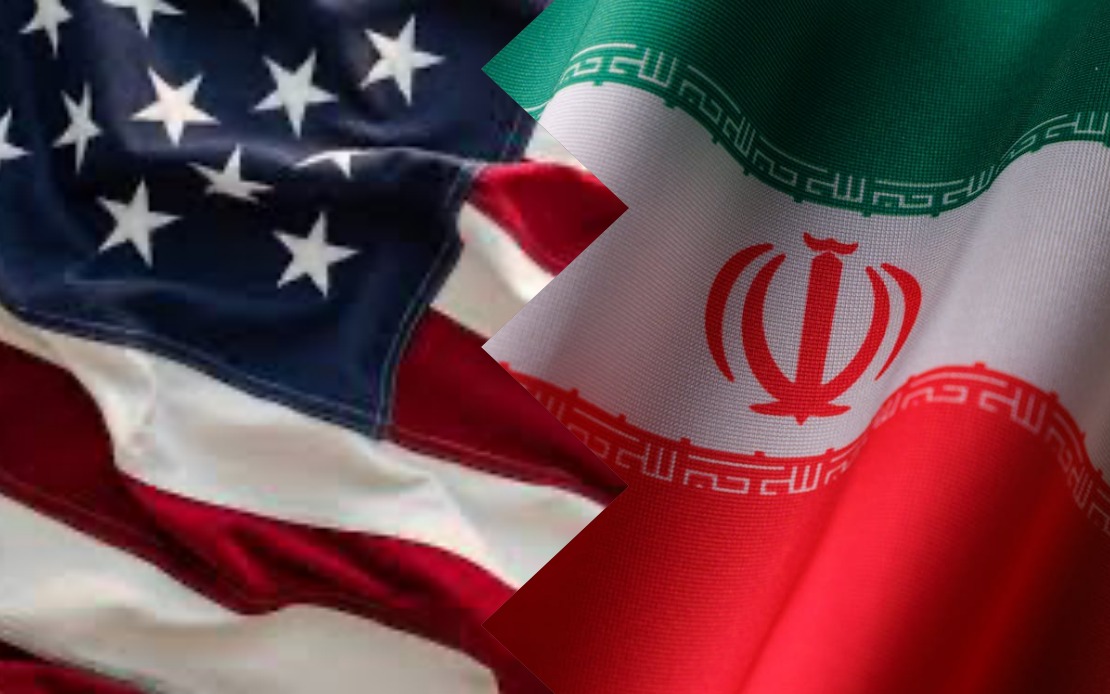
The United States military executed a second series of strikes against Iran on Wednesday afternoon, according to the Central Command (CENTCOM), as the Trump administration continues its confrontational approach toward Tehran. The operations, launched at 3 p.m. Eastern Time, represent a significant escalation in direct military action between Washington and the Iranian government following weeks of mutual recriminations and tit-for-tat attacks.
CENTCOM stated that the strikes specifically targeted Iranian military capabilities deployed to threaten vessels transiting the Strait of Hormuz, one of the world's most strategically important shipping lanes. This critical waterway handles approximately one-third of globally traded seaborne oil and serves as a vital conduit for international commerce connecting the Persian Gulf to the Arabian Sea. The framing of the operation around protecting maritime commerce underscores Washington's position that Iran's military activities constitute a threat to international law and freedom of navigation, a core principle of American foreign policy in the region.
President Donald Trump had issued fresh warnings to Iran earlier that same day, publicly stating that Tehran understands the American position and should "better behave" in light of mounting bilateral tensions. The president's language reflects the administration's strategy of combining military action with explicit rhetorical pressure, signalling both capability and resolve to confront Iranian moves deemed threatening. Trump's direction authorized these military operations, placing the strikes squarely within the White House's strategic framework rather than as autonomous military decisions.
The recent escalation must be understood within the context of a broader pattern of hostile exchanges that has unfolded over several months. Following American and Israeli military strikes against Iran in February, the relationship between Washington and Tehran deteriorated significantly, punctuated by multiple rounds of reciprocal attacks. Despite these developments, a Pakistan-mediated memorandum of understanding was pursued with the stated objective of de-escalating the conflict and preventing further military action. The resumption of American strikes suggests that diplomatic initiatives have proven insufficient to arrest the cycle of military confrontation.
For Malaysia and Southeast Asian nations, the implications of US-Iran escalation extend considerably beyond regional boundaries. The Strait of Hormuz remains vital to Asian economies that depend heavily on Gulf oil supplies. Malaysian refineries, shipping companies, and petrochemical industries maintain substantial interests in ensuring stable transit through these waterways. Any military escalation threatening the security of commercial shipping routes generates concern across Southeast Asia, where energy security and maritime commerce are foundational to economic stability and growth.
The Trump administration's emphasis on accountability suggests a deliberate policy approach aimed at raising the costs of Iranian military activity and deterring future actions against international shipping. This reflects a broader "maximum pressure" strategy that the administration believes will ultimately constrain Iranian behaviour and force Tehran to recalibrate its regional ambitions. Whether such military operations achieve their stated deterrent objectives remains contested among regional analysts and international observers.
Iran's military capabilities in the Strait of Hormuz include naval vessels, fast attack craft, and missile systems positioned throughout the Gulf and surrounding waters. These assets provide Tehran with asymmetric means to challenge American naval dominance and potentially disrupt shipping during times of crisis. American strikes targeting these capabilities aim to degrade Iranian capacity to execute threatened actions, though the effectiveness of such operations in achieving lasting strategic objectives remains subject to considerable debate.
The continued military actions despite ongoing diplomatic efforts highlight the tension between coercive and cooperative approaches to managing US-Iran relations. Pakistan's role in mediating communications underscores the involvement of key regional players attempting to prevent further deterioration. However, the resumption of American strikes indicates that dialogue channels have not yet produced agreements capable of sustaining a genuine cessation of hostilities.
Southeast Asian governments observe these developments with particular interest given their economic exposure to Persian Gulf stability. Nations like Malaysia, which navigate complex relationships with multiple global powers, face challenging circumstances when major powers engage in direct military confrontation. Disruptions to energy supplies or maritime security have immediate consequences for economic activity throughout the region, making de-escalation a practical concern for Southeast Asian policymakers and business communities alike.
The broader geopolitical context reveals deep structural challenges in US-Iran relations that extend far beyond recent military exchanges. Fundamental disagreements over regional influence, nuclear capabilities, and the role of state-sponsored proxy forces create persistent friction unlikely to be resolved through military operations alone. The current administration's approach privileges military coercion alongside diplomatic pressure, betting that Iranian leaders will eventually conclude that cooperation serves their interests better than continued confrontation.
Looking forward, the trajectory of US-Iran military escalation will significantly influence regional stability and international commerce throughout the coming weeks. Further strikes or Iranian responses would deepen the cycle of violence and potentially attract broader international involvement. Southeast Asian nations and global trading partners have substantial stakes in achieving some form of stabilization, whether through military deterrence, diplomatic breakthrough, or mutual exhaustion of resources.

