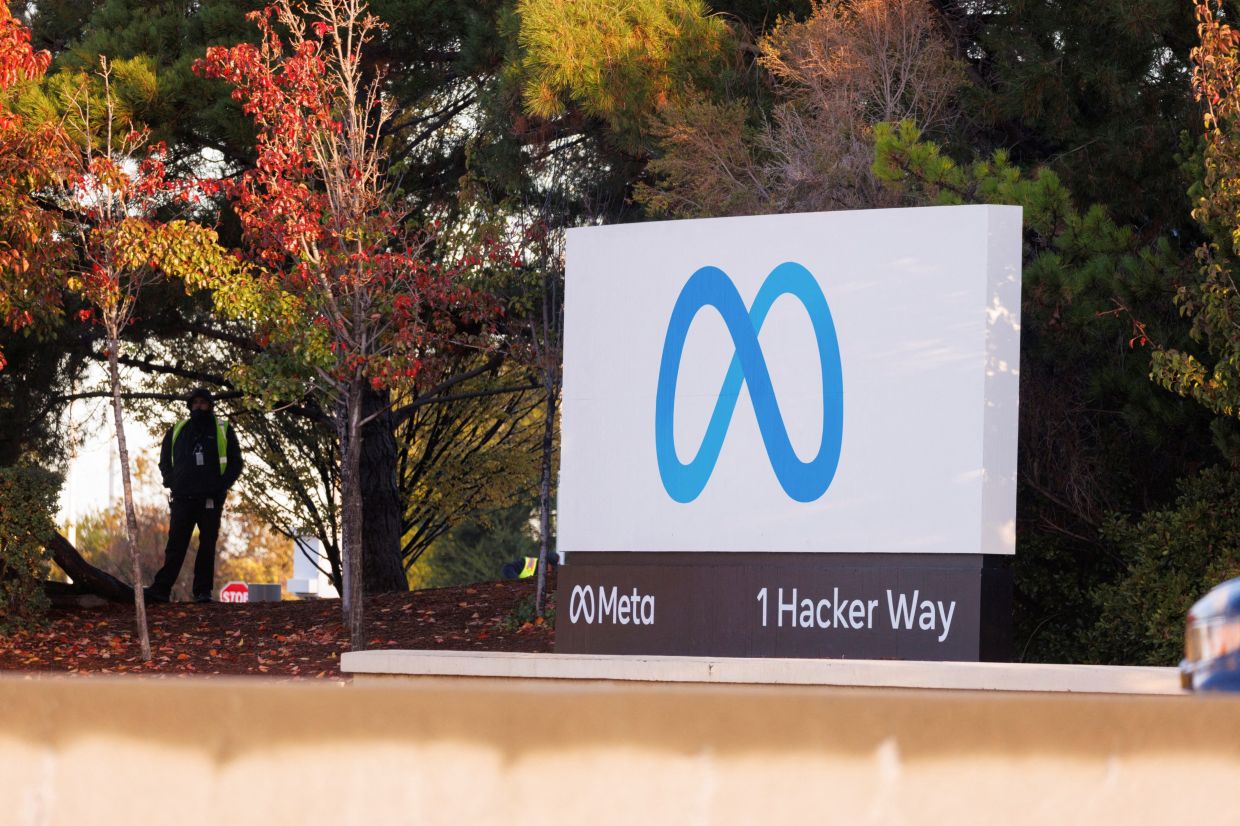
A federal judge in the United States has ruled that Meta engaged in gross negligence by destroying or permitting the destruction of critical evidence in a case brought by a prominent Australian mining tycoon who claims the social media giant facilitated a massive cryptocurrency fraud scheme using his image and reputation. Judge P. Casey Pitts found that the tech company's conduct caused substantial harm to the plaintiff, though the judge stopped short of finding intentional misconduct. The ruling represents a significant development in ongoing litigation that challenges Meta's traditional immunity protections and could have far-reaching implications for how technology platforms are held accountable for fraudulent content on their networks.
The Australian billionaire's lawsuit centres on thousands of deceptive advertisements that have circulated across Facebook since 2019, all featuring his likeness to promote bogus cryptocurrency investment schemes. According to court filings, these fraudulent ads have victimised thousands of people who fell for the scams, resulting in substantial financial losses. The tycoon's legal team contends that Meta did not merely host this content passively but instead actively participated in the fraud by deploying artificial intelligence systems to optimise, personalise, and distribute the misleading advertisements to targeted audiences likely to fall for the scheme.
Meta's primary legal defense has relied on Section 230 of the Communications Decency Act, a 1996 law that shields internet companies from liability for content posted by users. The company argues this provision protects it from accountability regarding fraudulent advertisements, since technically users uploaded the misleading ads. However, the destroyed data that Pitts found Meta failed to preserve would be pivotal in demonstrating that the company's own technological tools actively reshaped and amplified these fraudulent advertisements, potentially stripping away Meta's immunity protection. The missing evidence represents a critical gap in Forrest's ability to prove Meta was something more than a neutral conduit.
Judge Pitts was particularly unimpressed by Meta's explanation for why the data disappeared. The company claimed it required two years to discover the existence of the data within its own systems—a position the judge dismissed as implausible. In his written ruling, Pitts stated bluntly that it was unreasonable for Meta to claim it needed such an extended period to locate information housed in its own infrastructure. This scepticism about Meta's explanation for the data loss suggests the judge questioned whether the destruction was truly inadvertent, though his ultimate finding stopped short of proving deliberate intent to eliminate incriminating evidence.
The distinction between gross negligence and intentional destruction matters significantly for how this case may proceed. By finding gross negligence rather than wilful misconduct, Judge Pitts left room for Meta to pursue additional legal arguments while still establishing that the company failed in its obligation to preserve evidence relevant to the litigation. This middle-ground approach acknowledges serious corporate wrongdoing without making the finding of intent that might trigger additional sanctions or criminal referrals. Nevertheless, the gross negligence finding itself creates problems for Meta's defence strategy, as it undermines claims that the company merely acts as a passive platform.
The case remains in preliminary hearing stages, and Meta is widely expected to file a motion seeking dismissal based on immunity grounds before the end of this year. Judge Pitts will presumably hear that motion, creating another critical juncture where the Section 230 protections will be directly tested. The question of whether Meta's use of algorithmic tools to optimise and distribute fraudulent content constitutes active participation—thereby disqualifying it from immunity—will likely determine the case's trajectory. If Pitts rules that Meta's algorithmic involvement strips it of immunity, the case would advance toward trial on the merits, exposing the company to substantial damages.
For Malaysian and Southeast Asian readers, this case carries particular significance given the region's vulnerability to online fraud and scams. The prevalence of cryptocurrency-related fraud in Southeast Asia has created widespread consumer losses and eroded trust in digital finance. If courts begin holding major platforms accountable for actively amplifying fraudulent content through algorithmic systems, it could reshape how technology companies operate throughout the region. Malaysian regulators and consumer protection agencies have been increasingly concerned about cross-border scams facilitated through social media platforms, making this case's outcome directly relevant to regional policy discussions.
The litigation also reflects a broader global trend of courts questioning whether Section 230 immunity should extend to platforms that use algorithmic systems to optimise and distribute content. In a related development with direct relevance to Meta, the Massachusetts Supreme Judicial Court has already ruled that Section 230 does not protect the company from a lawsuit addressing Instagram's allegedly addictive design features targeting children. Additionally, Meta faced jury verdicts finding it liable for harming minors on its platforms in cases tried in Los Angeles and Santa Fe, New Mexico, during 2024. These parallel legal setbacks suggest that courts and juries are increasingly willing to pierce Meta's immunity protections when the company's own systems actively contribute to harm.
The tycoon's legal strategy hinges on proving that Meta's artificial intelligence tools transformed the fraudulent advertisements into more effective scams by personalising them for vulnerable audiences and optimising their reach. This argument fundamentally recharacterises Meta's role from passive host to active accomplice, a distinction that could reshape liability frameworks across the entire technology industry. If successful, the theory would mean that platforms cannot hide behind immunity protections when their own algorithms actively amplify and distribute harmful content, regardless of whether users created that content initially. Such a finding would have profound implications for how platforms throughout Southeast Asia operate.
The evidence destruction finding by Judge Pitts has effectively handicapped Meta's ability to argue that its role was entirely passive. By eliminating the data that would show how Meta's tools handled these specific fraudulent advertisements, the company has forfeited the ability to demonstrate that it merely hosted content without actively participating in its amplification. This consequence of the evidence destruction may prove as damaging to Meta's defence as the underlying claim itself, creating a practical barrier to proving what was previously its core immunity argument. Litigation experts suggest this development significantly strengthens the tycoon's case as it moves toward trial.
The preliminary nature of the current proceedings should not obscure the significance of Judge Pitts' ruling. By finding gross negligence in evidence destruction and expressing scepticism about Meta's explanations, the judge has signalled serious doubts about the company's conduct throughout these proceedings. When Meta files its anticipated motion to dismiss based on immunity grounds, it will do so with a record already containing judicial findings that the company destroyed evidence relevant to the case. This record will influence how Pitts approaches Meta's immunity argument and may strengthen arguments that the company should lose its legal protections. The case thus enters a critical phase where initial judicial scepticism about Meta's conduct may translate into substantive legal liability.

