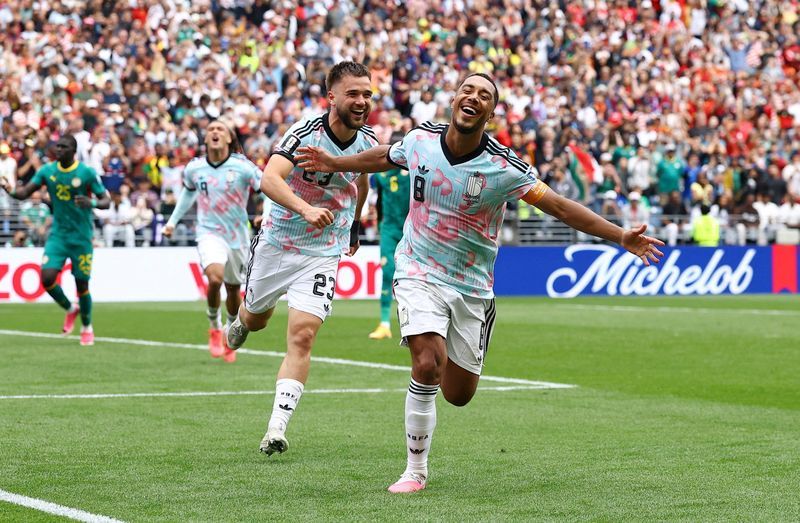
The United States will take on Belgium in a World Cup knockout encounter at Seattle's Seahawks stadium, a venue renowned for its deafening crowd noise, as the American team pursues a deeper tournament run than most observers anticipated before the competition began. Pochettino's squad arrives at this pivotal juncture having substantially exceeded the modest goals set by supporters heading into the tournament, transforming what many viewed as a respectable outcome into a genuine opportunity for extended success on home soil.
When the World Cup commenced, American fans and analysts largely considered qualification for the round of 16 as a satisfactory achievement for the national side. That cautious optimism reflected years of inconsistent international performances and doubts about whether the squad possessed the tactical discipline and technical quality to challenge elite European and South American opposition. The subsequent victories over Paraguay and Australia in group play proved competent rather than compelling, yet they succeeded in positioning the Americans favourably for knockout competition.
What truly shifted expectations was the stunning display against Bosnia, where the team produced its most commanding performance despite playing the final 36 minutes with numerical disadvantage. That result—a 2-0 victory achieved while severely undermanned—demonstrated both resilience and quality that reverberated through American soccer communities and captured genuine mainstream attention. The unexpected strength of the defensive structure, previously identified as a liability before competition began, became increasingly evident as the tournament progressed, suggesting Pochettino had successfully instilled defensive discipline and positional awareness throughout the team.
Belgium presents a starkly different challenge, representing one of Europe's most formidable international sides built around an exceptionally talented generation of players. The squad features Kevin De Bruyne, whose creative genius defines contemporary midfield play, Romelu Lukaku, whose physical dominance and finishing ability have terrorized defences across Europe's top leagues, and Thibaut Courtois, widely regarded among the world's elite goalkeepers. This gathering of talent may constitute the nation's final realistic opportunity for World Cup glory, as several key players have entered their early thirties and subsequent tournaments will likely involve significant generational transition.
Yet Belgium's journey to this juncture has been considerably less convincing than their roster suggests it should be. The team required dramatic late intervention to overcome Senegal, trailing for the majority of that encounter before managing two quick goals to level the match. The eventual advancement came courtesy of a VAR-assisted penalty decision in extra time, a controversial conclusion that left the Senegalese delegation visibly frustrated and questioning the decision-making process. Such struggles raise legitimate questions about whether the Belgian combination of star power seamlessly translates into cohesive team functioning, a concern that could benefit the Americans if they execute with discipline.
The encounter carries inevitable historical resonance with Belgium's 2014 World Cup victory over the Americans in Brazil, a match remembered primarily for goalkeeper Tim Howard's extraordinary defensive performance that saw him make 16 saves—then a record for knockout competition. That dramatic contest had shifted late toward American momentum, with the team mounting a genuine push for equalisation that fell agonisingly short as the final whistle approached. Nostalgia for that narrow defeat pervades American soccer discourse, and successfully reversing the outcome would carry genuine psychological weight beyond the immediate tournament advancement.
A significant complication for American prospects involves the suspension of striker Folarin Balogun, who registered an important goal against Bosnia in the opening half before receiving a red card for his actions during the second period. His absence removes a critical offensive weapon and forces Pochettino into difficult tactical adjustments as he balances maintaining the defensive solidity that defeated Bosnia with generating sufficient attacking threat against a defensively organised Belgian team. The manager faces selection decisions that will substantially influence both the match's tactical character and the team's stylistic identity moving forward.
Belgium's attacking potential remains anchored around Jeremy Doku, a winger whose pace and directness have consistently troubled defences at club level, yet who has delivered a subdued tournament performance thus far. The American defensive structure, which proved its capabilities against Bosnia, will require sustained concentration to contain Doku's threat, particularly as fatigue increases during the match's closing stages. Conversely, should the Americans successfully limit Belgian creative opportunities while exploiting limited defensive organisation, they could exploit the transition opportunities that have characterised their strongest performances.
Midfield player Tyler Adams articulated the American squad's collective aspiration, emphasising the team's desire to establish a tournament legacy and recognising that sustained advancement naturally generates increased domestic interest and global attention. His comments reflected awareness that unexpected success resonates beyond the immediate football community, potentially transforming the sport's profile within American sporting culture and validating continued investment in player development pathways. The commercial and cultural implications of a quarter-final appearance would substantially exceed pre-tournament expectations.
The Seattle venue promises an electrifying atmosphere that could meaningfully influence the match's psychological dynamics. American supporters will provide overwhelming noise throughout the encounter, potentially disrupting Belgian communication and creating psychological momentum shifts during critical moments. Such environmental factors, while ultimately secondary to technical and tactical execution, have historically provided measurable advantages to home nations in high-pressure knockout competition, particularly when facing opponents experiencing the accumulated fatigue of an extended tournament campaign.
For Malaysian and Southeast Asian observers, this encounter represents a microcosm of shifting global football dynamics, demonstrating how emerging footballing nations can challenge established European powers through systematic development, disciplined tactical approaches, and generational investment in youth player pathways. The American trajectory suggests that sustained commitment to elite-level football produces measurable results despite competing against nations with deeper cultural traditions and longer professional histories. Belgium's potential vulnerability against a determined, well-organised opponent illustrates that individual player quality, whilst essential, requires complementary tactical coherence to reliably deliver tournament success.

