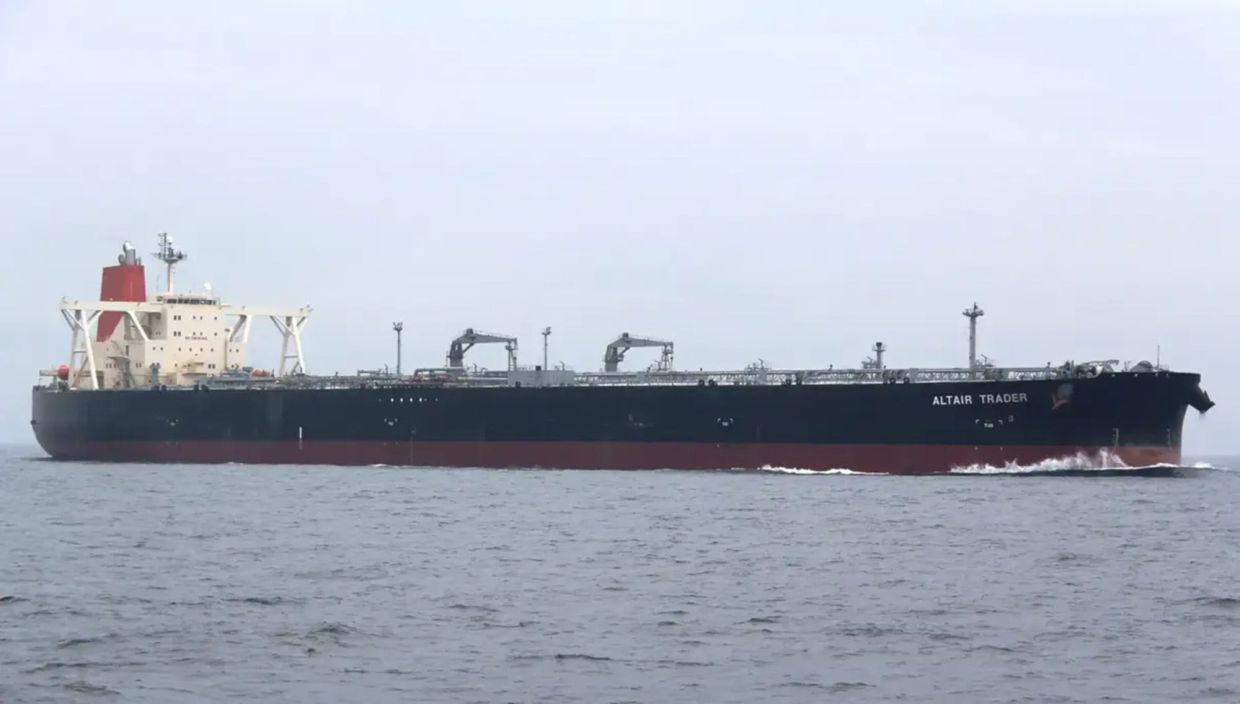
The United States has significantly widened its economic restrictions on Iran by targeting a network of Chinese and Hong Kong shipping firms that allegedly facilitate deliveries of Iranian crude oil, a move that underscores Washington's intensifying campaign to isolate Tehran while simultaneously raising tensions with Beijing over sanctions enforcement. The State Department announced Wednesday that it had designated eight companies for their roles in operating tankers that transported Iranian petroleum and petrochemical products, particularly to China and the United Arab Emirates, as part of what US officials characterise as Iran's clandestine "shadow fleet" designed to circumvent international sanctions.
The Treasury Department identified six vessels specifically involved in delivering Iranian crude to China, with some tankers reportedly carrying millions of barrels during 2026. The designations represent a broad financial enforcement action: they freeze any assets these companies hold within US jurisdiction and generally prohibit American individuals and companies from conducting business with them. More significantly, the measures create potential exposure for foreign financial institutions and international businesses that maintain transactions with the targeted firms, effectively extending the reach of American sanctions policy across global banking and shipping networks.
The enforcement action explicitly connects Washington's economic measures to its military presence in the region. State Department spokesman Tommy Pigott stated that today's designations directly support the US Navy's enforcement of a blockade targeting Iranian ports and coastline, framing the sanctions as part of a comprehensive strategy combining naval interdiction with financial pressure. This dual approach reflects the Biden administration's determination to restrict Tehran's oil revenues, which officials argue fuel both domestic repression and regional military activities through the Islamic Revolutionary Guard Corps.
Treasury Secretary Scott Bessent characterised Iran's economic situation as dire, noting that with inflation reaching triple digits and economic contraction accelerating, the regime has become increasingly desperate for foreign currency. Bessent argued that permitting Iran to continue generating revenue through shadowy shipping arrangements effectively allows Tehran to finance what Washington views as terrorism, aggression, and domestic repression. The Treasury Department also targeted two Iranian insurance companies accused of operating an extortion scheme in the Strait of Hormuz, where they allegedly force commercial vessels transporting energy and goods through the world's most critical chokepoint to purchase maritime insurance policies against risks that the companies themselves create.
Among the designated entities is Qi Hang Ship Management Limited, a mainland China-based firm owning the Marshall Islands-flagged tanker Well Sail, which Treasury says transported hundreds of thousands of barrels of Iranian petroleum products to the United Arab Emirates this year. The sanctions also affect Hong Kong-based Confident Apex Limited, operator of the Mozambique-flagged Lily, which the department alleges has moved millions of barrels of Iranian oil since 2025. Additional targets include Billion Nexus International, Nevada Spirit Company, and Marinova Freight, all based in Hong Kong, along with Vast Mighty Limited, which Treasury identifies as operating from both Hong Kong and the Marshall Islands. These companies and their vessels have allegedly engaged in systematic transport of Iranian oil to Chinese ports throughout the past two years.
China's immediate response rejected the American characterisation of these commercial relationships as sanctions evasion. Liu Pengyu, spokesman for the Chinese embassy in Washington, emphasised that Beijing's cooperation with Iran is "open, transparent, lawful and legitimate" and therefore warrants international respect. The statement reflected growing friction between Washington and Beijing over sanctions policy, with China accusing the United States of abusing its legal authority to impose unilateral restrictions and extending what Beijing describes as illegitimate extraterritorial jurisdiction. Liu declared that China would persist in defending the "legitimate and lawful rights and interests" of its companies, signalling that Beijing intends to continue facilitating Iranian energy exports despite American pressure.
The dispute reflects deeper divisions over the legitimacy of unilateral sanctions and the proper scope of American enforcement authority. State Department officials frame the measures as necessary for protecting navigation rights and maintaining international stability in critical maritime corridors, presenting sanctions as tools for promoting global rather than purely American interests. Pigott stated that Washington would collaborate with international allies to isolate Iran until the government ceases what he termed destabilising behaviour, effectively framing compliance with US sanctions as a prerequisite for Iran's international reintegration. However, Beijing's consistent opposition to unilateral American sanctions and its defence of economic ties with Iran suggests that Chinese compliance with these measures remains uncertain.
The inclusion of Iranian insurance companies in the sanctions architecture reveals a sophisticated understanding of how modern sanctions evasion operates. The Persian Gulf Marine Insurance Company and the Hormuz Safe Marine Services Authority, which reportedly accepts bitcoin and other digital assets, allegedly operate a scheme compelling vessels transiting the Strait of Hormuz to purchase insurance policies protecting against government-created risks. Treasury describes this arrangement as coercive, accusing Iranian entities of deliberately manufacturing maritime dangers and then profiting from insurance premiums charged to commercial operators seeking safe passage. The Hormuz Safe entity, developed by Iran's Ministry of Economy, purportedly generates revenue for the Revolutionary Guard Corps while providing insurance, traffic control, and security services.
For Malaysian readers and broader Southeast Asian audiences, these sanctions carry significant implications for regional shipping and energy markets. Malaysia's strategic location in global shipping routes and its own energy interests mean that disruptions to Iranian oil trade networks potentially affect regional energy prices and shipping insurance costs. Malaysian vessels and shipping companies operating internationally face heightened compliance risks if they conduct transactions with designated entities, requiring careful monitoring of maritime activities in the Middle East. The extraterritorial reach of American sanctions means that Malaysian financial institutions and shipping firms must implement enhanced due diligence procedures to avoid inadvertent violations.
The sanctions also underscore the broader geopolitical realignment occurring in Asia, where US-China competition increasingly affects regional economic relationships. Beijing's willingness to absorb Iranian oil despite American sanctions demonstrates China's growing independence from Washington's foreign policy objectives, particularly regarding Middle Eastern energy security. This dynamic has implications for how Southeast Asian nations navigate between American and Chinese economic interests, requiring careful calibration of engagement with both powers. Malaysia, as both a Muslim-majority nation with historical ties to Iran and an important economic partner of China, faces particular challenges in balancing these competing pressures.
Looking forward, the effectiveness of these sanctions depends substantially on international compliance and enforcement mechanisms that remain contested. While Washington possesses significant leverage through access to the dollar-denominated banking system and its control of crucial maritime chokepoints, Beijing's demonstrated commitment to supporting Iran's economy suggests that total isolation remains unlikely. For Malaysian policymakers, the situation reinforces the importance of understanding sanctions compliance requirements while maintaining pragmatic economic relationships across the region, particularly as energy security concerns and geopolitical rivalries continue reshaping Asian trade patterns.

