A legal technology company has launched a federal lawsuit challenging recent US government export controls that forced Anthropic to restrict access to its most sophisticated artificial intelligence models. Legion, which develops software tools for law firms, filed the suit in Washington federal court on June 23, alleging that measures imposed by the Trump administration to prevent advanced AI technology from reaching foreign nationals have caused irreparable harm to its operations and competitiveness.
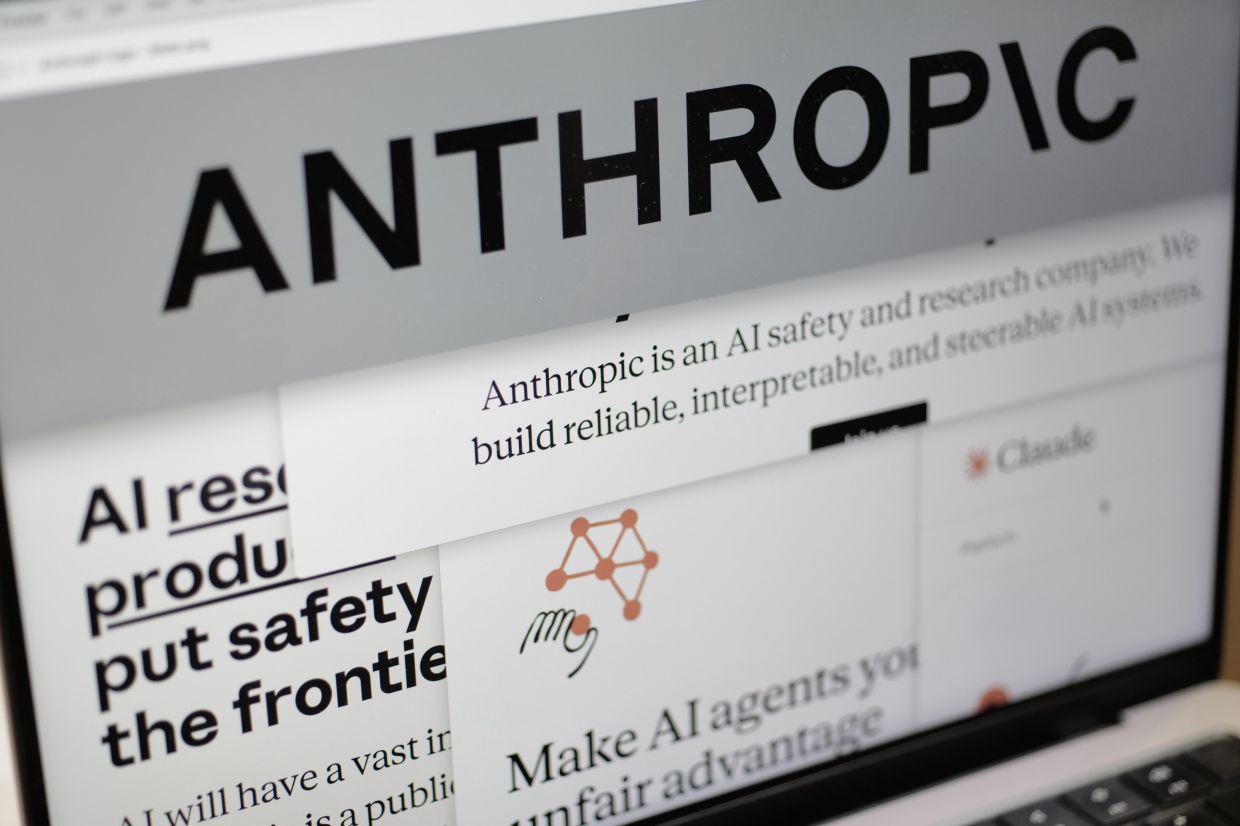
The case centres on Anthropic's decision to disable access to its Fable 5 and Mythos 5 models—the company's most capable systems—following government directives. Commerce Secretary Howard Lutnick had previously warned Anthropic Chief Executive Officer Dario Amodei that the company would need explicit government permission before sharing these models internationally or with foreign nationals anywhere in the world. Legion's situation highlights the practical complications arising from these restrictions, as the startup is incorporated in the United States but employs software developers who are Canadian citizens working remotely from Canada.
In court filings, Legion characterised the loss of access to Fable 5 as catastrophic, describing the impact as "immediate, irreparable and existential." The company emphasised that within the artificial intelligence sector, technological advancement moves at such a rapid pace that any competitive ground lost during periods of restricted access becomes nearly impossible to recapture. By being locked out of the latest model available, Legion argues it has been effectively frozen in its development trajectory while competitors with uninterrupted access continue advancing their products and capabilities.
The timing of this lawsuit underscores rising tensions between national security concerns and the practical needs of American businesses operating in the global technology space. The export controls were implemented ostensibly to protect American technological leadership and critical infrastructure from foreign adversaries. However, Legion's case demonstrates how these restrictions can inadvertently harm legitimate US companies that employ qualified talent from allied nations, particularly Canada, with which the United States shares deep economic and security partnerships.
Legion's legal filing stressed that the duration of the access restriction is irrelevant to the damage assessment. The company contended that "each day the directive remains in force disrupts Legion's product, operations, sidelines its engineers, and erodes the company's ability to survive in a field defined by continuous access to the most capable models." This framing suggests that the company views the restriction not as a temporary inconvenience but as an existential threat, given how integral the latest AI capabilities have become to competitive product development.
Anthropnic's response to the government order revealed the complex position in which AI developers find themselves. The company stated it was "grateful to the administration" for efforts to resolve the situation quickly and reiterated its commitment to cooperating with government objectives around protecting infrastructure and maintaining American AI leadership. This diplomatic stance reflects Anthropic's need to maintain positive relationships with regulators while facing pressure from customers affected by the restrictions.
The defendants in Legion's lawsuit include Commerce Secretary Howard Lutnick, reflecting the company's focus on challenging the government directive itself rather than Anthropic's compliance with it. This legal strategy sidesteps potential liability for Anthropic while directly confronting the administration's authority to enforce such broad restrictions on access to AI models by foreign nationals, even when those individuals are employees of American companies working within the United States' economic system.
For Southeast Asian technology companies and those with regional operations, Legion's case carries significant implications. The precedent being established around how the US government can regulate AI model access based on the nationality of users could reshape how multinational tech firms structure their operations and talent strategies across the region. Many companies operating in Malaysia, Singapore, and other Southeast Asian markets employ talent flows across borders and may face similar restrictions if they depend on cutting-edge American AI tools.
The lawsuit also reflects broader anxieties within the American tech sector about the practical implementation of AI export controls. While few dispute the importance of protecting advanced technology from hostile actors, the bluntness of restricting access to foreign nationals—regardless of where they work or their relationship to the United States—has created friction among US companies whose competitiveness depends on access to global talent pools and collaboration with international partners.
The case remains unresolved, with neither the White House nor the Commerce Department providing immediate comment on Legion's allegations. Anthropic similarly did not respond to requests for elaboration. The outcome of this litigation could influence how American technology companies navigate the intersection of national security policy and operational necessity in coming months, particularly as AI capabilities become increasingly central to business strategy across industries and geographies.
Legion's willingness to challenge the government order in court signals that some American companies view the restrictions as overreach that threatens their viability. Whether federal courts will agree that national security concerns must be balanced against private commercial interests remains an open question with potentially far-reaching consequences for how AI innovation is governed in the United States and how that governance affects the global technology ecosystem.

