Universiti Pendidikan Sultan Idris (UPSI) is actively investigating the establishment of a private specialist hospital facility in Tanjong Malim, marking an ambitious expansion into healthcare services as the institution positions itself as a comprehensive educational and community hub. The initiative represents a strategic shift beyond traditional university functions, reflecting how modern educational institutions increasingly diversify their operational scope to create integrated ecosystems that serve wider populations.
Prof Datuk Dr Md Amin Md Taff, the university's vice-chancellor, outlined the rationale behind the hospital proposal, emphasising that such a facility would address mounting healthcare demands from UPSI's expanding international student body and workforce. The institution has experienced significant growth in overseas enrolment over recent years, creating pressing needs for specialised medical services tailored to international populations who may face language barriers or require treatment protocols familiar to their home countries. This healthcare gap represents both a challenge for student welfare and a potential market opportunity for the university.
The hospital project forms part of a broader strategic vision that extends well beyond immediate healthcare provision. University leadership views the facility as essential infrastructure within a developing knowledge city ecosystem centred on Tanjong Malim, the Perak township where UPSI's main campus is located. This concept reflects global trends where universities anchor regional development, attracting talent and investment while transforming surrounding areas into vibrant communities offering residential, commercial, and service amenities.
Currently, UPSI is in exploratory discussions with private healthcare operators, examining various business models that could make the hospital financially sustainable while maintaining alignment with the university's educational mission. Rather than directly operating a hospital, the institution appears to favour partnership arrangements where external healthcare providers would manage day-to-day operations on UPSI land or in proximity to the campus. This approach spreads financial risk while allowing the university to focus on its core educational functions.
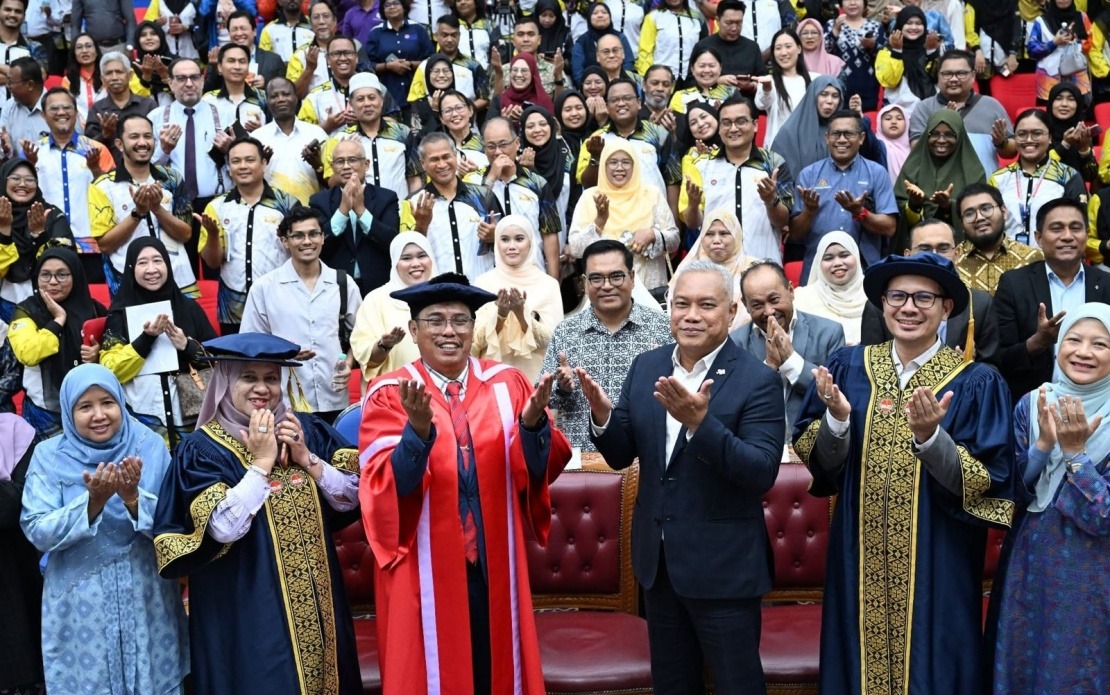
Prof Md Amin disclosed these plans during the Budiman Lecture Series and Clock-Out Session honouring Prof Dr Abdul Talib Mohamed Hashim, Dean of the Faculty of Human Development, at the Main Auditorium, Sultan Abdul Jalil Shah UPSI Campus. The timing of this announcement, made during a celebration of academic leadership, underscores institutional commitment to the vision and suggests these initiatives have garnered support among senior faculty members.
The healthcare facility represents only one dimension of UPSI's comprehensive development agenda for Tanjong Malim. The university simultaneously envisions creating retirement communities within the township, designing residential spaces specifically for academics and staff transitioning into retirement. Such facilities would enable former employees to maintain connections with the institution while contributing their experience and knowledge to ongoing campus activities. This intergenerational approach creates continuity within the academic community while providing retired professionals with purpose-driven living arrangements.
These retirement initiatives extend beyond simple housing arrangements. UPSI conceptualises developing a retirement resort that would function as a lifestyle community, incorporating recreational facilities, continuing education programmes, and social spaces. The model recognises that modern retirees seek engagement and intellectual stimulation rather than mere residential accommodation, positioning the university as a natural anchor for such communities given its existing infrastructure and cultural environment.
The broader context for these developments involves Tanjong Malim's transformation from a relatively modest town into an emerging educational centre. UPSI's substantial campus presence, combined with growing international student populations and associated commercial activity, has catalysed economic development. Planning for hospitals and retirement facilities reflects confidence that this growth trajectory will continue, while simultaneously aiming to ensure that such expansion delivers tangible benefits to the community rather than merely extracting resources.
For Malaysian higher education policy, UPSI's approach offers instructive lessons about diversification and sustainability. As government funding for universities faces pressure, institutions increasingly explore commercial ventures and partnerships to supplement traditional budgets. A private hospital partnership could generate revenue while serving genuine institutional needs, creating a mutually beneficial arrangement where the university gains healthcare infrastructure and the operator gains assured patient volume through campus and community affiliations.
The hospital project also reflects shifting expectations among international students regarding campus amenities. Universities globally compete intensely for overseas enrolment, and comprehensive campus facilities including quality healthcare have become competitive necessities. Malaysian institutions particularly benefit from regional positioning as affordable alternatives to North American or European universities while offering comparable facilities, and UPSI's initiative strengthens this market positioning.
Regionally, UPSI's development agenda positions Perak as an emerging knowledge economy destination. Beyond Tanjong Malim, these initiatives may stimulate broader economic activity, attracting related service providers and supporting sectors. The hospital and retirement facilities would create employment opportunities while establishing Tanjong Malim as a destination for older professionals and their families, potentially contributing to addressing regional economic disparities.
Implementing these ambitious plans requires navigating complex regulatory environments, securing appropriate financing, and managing stakeholder expectations. Hospital licensing involves stringent requirements from the Ministry of Health, while retirement facilities must comply with building codes and safety standards. UPSI's exploratory phase suggests the institution is proceeding methodically rather than rushing into commitments that could create financial or operational complications.
Moving forward, the success of these initiatives depends on effective partnership structuring, realistic financial modelling, and sustained institutional commitment through inevitable challenges. If executed successfully, UPSI's integrated approach to educational, healthcare, and retirement infrastructure could serve as a template for how Malaysian universities might evolve into comprehensive community anchors, generating sustainable revenue while enhancing quality of life for students, staff, and broader populations.

