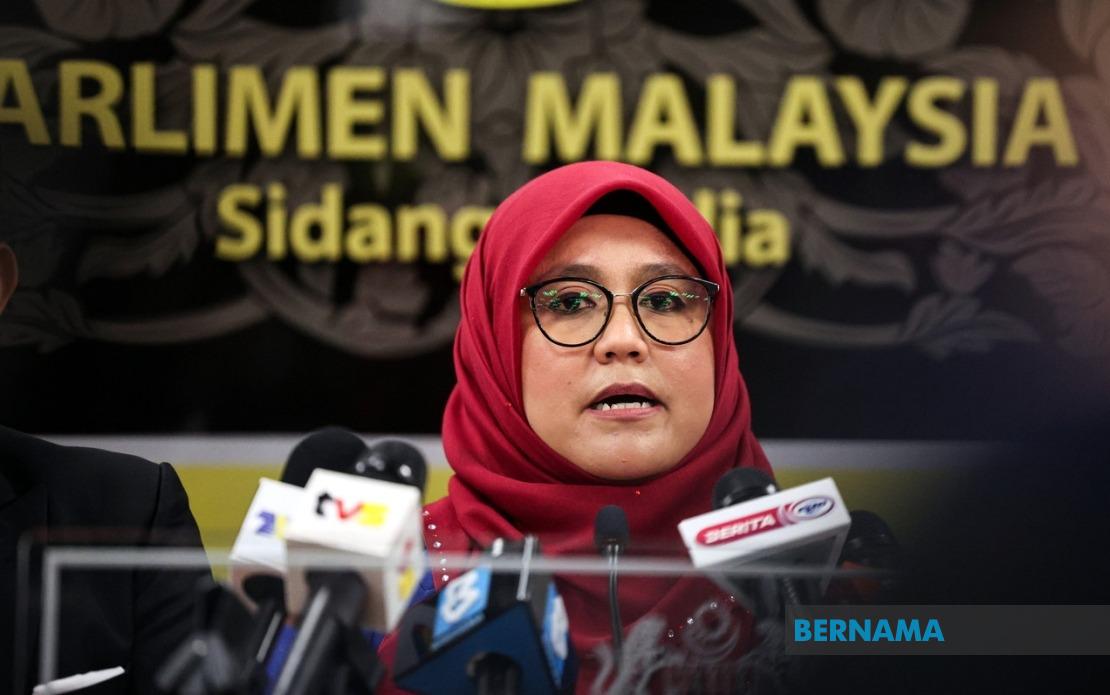
The Public Accounts Committee has pinpointed the real source of Malaysia's spiralling health insurance costs, and it is not what most Malaysians assume. Rather than doctor professional fees—which have been subject to regulatory oversight since 2013—the committee found that ballooning charges for non-professional services represent the primary cost driver, creating a cascading effect that pushes premiums ever higher for ordinary Malaysians seeking private healthcare coverage.
According to PAC chairman Datuk Mas Ermieyati Samsudin, the regulatory landscape governing private healthcare has created a perverse imbalance. While physician compensation remains capped and monitored, hospitals operate with substantial freedom when it comes to pricing everything else: medical consumables and equipment, pharmaceuticals, diagnostic procedures, laboratory tests, and the latest treatment technologies. This asymmetry has allowed private institutions to recoup margin pressures and expand profits through channels beyond traditional professional services, fundamentally altering the cost structure of private medicine.
The committee's investigation uncovered a constellation of billing practices that obscure true medical costs from patients and insurers alike. Private hospitals lack standardised charging frameworks, meaning identical procedures can vary dramatically in price between facilities and even between patients at the same institution. This opacity serves a purpose: it enables hospitals to bury auxiliary expenses—nursing care, utilities, facility maintenance—into medicine prices and equipment charges rather than itemising them separately. The result is a pricing structure that resists scrutiny and comparative analysis.
Particularly troubling is the documented practice of unbundling, where hospitals disaggregate routine items that logically belong to baseline care. Patients may find themselves charged separately for clinical waste disposal, bedding, and basic supplies such as alcohol swabs—costs that ought to be absorbed into room fees or fundamental service packages. This fragmentation allows hospitals to inflate perceived value and extract additional revenue from patients and insurers unable to easily contest individual line items.
The committee also documented explicit price discrimination based on payment method, a practice with serious implications for equity and transparency. Patients presenting guarantee letters from insurers—typically those with comprehensive coverage—face systematically higher charges than those paying in cash or utilising pay-and-claim reimbursement schemes. This suggests hospitals calibrate pricing according to their perception of what different customer segments can bear, exploiting information asymmetries between patients and providers.
The pharmaceutical dimension of this problem reveals structural market failures that extend beyond hospitals alone. Malaysia's drug supply chain exhibits substantial mark-ups at multiple stages, and the monopolistic character of generic medicine pricing is particularly stark: instances exist where off-patent drugs command higher prices than branded innovator products, a reversal of normal market logic. More fundamentally, over 1,500 medicines registered in Malaysia have only a single manufacturing source, eliminating competitive pressure and enabling suppliers to impose prices without meaningful constraint. This situation particularly harms insurers and patients, as there exists no alternative source or competitive option.
For Malaysia and Southeast Asia more broadly, the PAC findings underscore how regulatory fragmentation in healthcare can undermine cost containment efforts. The region's rapid private healthcare expansion has outpaced regulatory development, creating environments where market discipline fails to operate. Malaysia's experience suggests that allowing non-professional charges to escape scrutiny while controlling professional fees produces perverse incentives, encouraging cost-shifting rather than genuine efficiency. As other Southeast Asian nations expand private healthcare capacity, these lessons merit close attention.
The committee submitted 17 recommendations designed to rebalance the regulatory framework and restore transparency. Central among these is acceleration of the Diagnosis-Related Group payment system, a prospective payment methodology that bundles services and creates direct incentives for cost containment. Equally important is legislative amendment to the Private Healthcare Facilities and Services Act 1998, which currently permits the Ministry of Health to regulate only professional fees. Expanded authority would enable regulation of the full spectrum of hospital charges that now escape oversight.
The PAC further recommended that the Health Ministry coordinate with the Ministry of Domestic Trade and Cost of Living to establish pricing mechanisms for medicines and medical equipment, with particular emphasis on direct procurement from domestic manufacturers to bypass distributors and reduce cartelist pressures. Such measures address the observation that Malaysia's heavy reliance on intermediaries inflates costs at each stage. Direct relationship between government purchasers and manufacturers could substantially compress prices while supporting local pharmaceutical production capacity.
Parliamentary debate on the PAC report demonstrated cross-factional concern about healthcare affordability. Legislators from both government and opposition benches urged stronger regulation of charges and medicine prices, enhanced insurance industry transparency, and accelerated DRG implementation. They also emphasised the importance of reinforcing public healthcare investment as a counterbalance to private sector cost inflation, acknowledging that without a robust public alternative, Malaysians face constrained choice and limited bargaining power. Several members called for legislative review of insurance frameworks and recommended taxation measures targeting private hospitals with substantial medical tourism revenue, using fiscal policy to discourage excessive cost-shifting toward local insurers and patients.
The underlying tension between Malaysia's private healthcare expansion and affordability reflects a broader regional phenomenon. As rising incomes increase demand for private care, and as medical tourism attracts investment in advanced facilities, hospital operators face incentives to maximise revenue from every available source. Without clear regulatory parameters, this generates the pricing complexity and opacity that the PAC documented. Patients and insurers lose ability to make informed choices or negotiate effectively, undermining market-based cost control.
The path forward requires coordination between multiple agencies and willingness to extend regulatory authority beyond traditional professional licensing. The Ministry of Health, Bank Negara Malaysia, and the health insurance industry must work collaboratively to establish transparent billing standards, competitive procurement practices, and pricing frameworks that maintain access while controlling costs. The DRG system represents a crucial infrastructure investment, as it creates common measurement standards enabling comparison across providers and systematic analysis of outlier costs. Without such foundational changes, Malaysian health insurance premiums will likely continue their upward trajectory, eroding coverage accessibility and pushing more citizens toward inadequate or absent protection.

