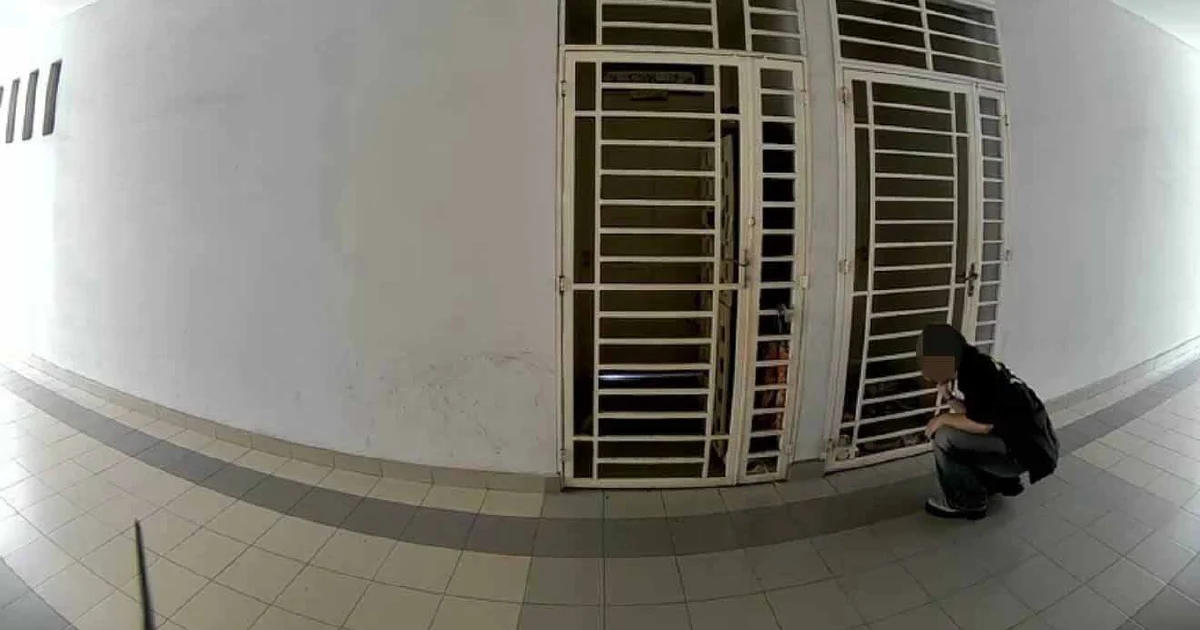
Police in Shah Alam have apprehended a student from a public university on allegations of persistent harassment and stalking directed at a female classmate, with the unwanted behaviour reportedly dating back to April this year. The arrest underscores mounting concerns within Malaysia's tertiary education sector regarding interpersonal misconduct and the safety of students on campus grounds.
The case represents a troubling pattern increasingly observed at Malaysian universities, where incidents of student-to-student harassment have begun drawing greater scrutiny from law enforcement and institutional authorities. While specific details regarding the nature of the alleged harassment remain under investigation, the timeline spanning several months suggests a sustained course of conduct that the victim felt compelled to report to police. Such prolonged cases often involve digital communication, in-person confrontations, or both, creating an intimidating environment that can significantly disrupt a student's academic life and mental wellbeing.
The detention follows a formal complaint filed by the affected student, who reportedly reached a threshold of concern warranting police intervention. Campus safety officers and university administration typically handle initial complaints through institutional channels, but escalation to criminal investigation indicates either the severity of the conduct or the failure of internal mechanisms to resolve the matter. This progression is not uncommon in Malaysian universities, where support systems for harassment victims are still developing and awareness of available reporting routes remains inconsistent across institutions.
Harassing and stalking behaviour in educational settings carries significant psychological consequences for affected students, frequently manifesting as anxiety, declining academic performance, and withdrawal from social and university activities. The impact extends beyond the individual victim to create a chilling effect on campus culture, where other students may hesitate to report their own experiences or participate fully in university life. Malaysian universities have begun recognizing these ripple effects, leading several institutions to strengthen their student conduct policies and support mechanisms in recent years.
The distinction between harassment and stalking involves elements of persistence, threat, or intent to cause fear or distress. In this case, the alleged conduct sustained over months from April implies systematic and repeated behaviour rather than isolated incidents. Such patterns often escalate if uninterrupted, making early intervention through police involvement potentially preventive of more serious outcomes. The arrest itself may serve as a protective measure, removing the accused from the immediate environment of the victim pending legal proceedings.
Malaysian university authorities have increasingly recognized the inadequacy of handling such matters purely through internal discipline mechanisms. While universities can suspend or expel students found responsible for harassment, police involvement brings the case under criminal law provisions, particularly those addressing criminal intimidation, stalking, or harassment as defined under the Penal Code. This dual approach—combining institutional accountability with criminal investigation—reflects evolving best practices in campus safety management.
The case also highlights the role of digital communication in modern stalking scenarios. Contemporary harassment frequently occurs through social media platforms, messaging applications, and other online channels that can create a sense of inescapability for victims. The persistent nature of digital communication, combined with the ability to contact someone repeatedly across multiple platforms, has fundamentally altered how harassment manifests on campuses. Malaysian police have been gradually developing digital forensics capabilities to investigate such cases, though resource limitations remain a challenge for many enforcement agencies.
University administrations across Malaysia have begun implementing preventive measures including mandatory consent and respect training, clearer reporting procedures, and dedicated counselling services for students experiencing harassment. However, awareness of these services remains limited, particularly among first-year students who may not yet understand the distinction between normal peer interactions and problematic conduct. Enhanced orientation programmes addressing these issues could potentially reduce incident rates by clarifying expectations and available support early in students' university careers.
The arrested student's identity and specific university remain under police investigation protocols. Depending on the nature and severity of the alleged conduct, potential charges could range from harassment under telecommunications provisions to more serious offences if threats or violence featured in the alleged behaviour. The investigation phase will determine whether sufficient evidence exists to proceed with formal charges, a process that typically unfolds over weeks rather than immediately following arrest.
This incident contributes to broader conversations within Malaysian higher education about creating safer, more respectful campus environments. Student unions and women's advocacy groups have increasingly called for stronger institutional responses to harassment complaints and greater transparency in how universities handle such cases. The emphasis has shifted from viewing harassment as a private matter to recognizing it as a community concern affecting institutional reputation and student welfare.
The case serves as a reminder to Malaysian students and parents that harassment should never be tolerated or dismissed as a normal aspect of university life. Both victims and bystanders are encouraged to report concerning behaviour through university channels or directly to police, particularly when institutional responses appear inadequate. As Malaysian tertiary institutions continue maturing in their approach to student conduct and safety, cases such as this one provide valuable lessons in the necessity of robust, accessible complaint mechanisms and swift institutional response to preserve campus safety for all students.

