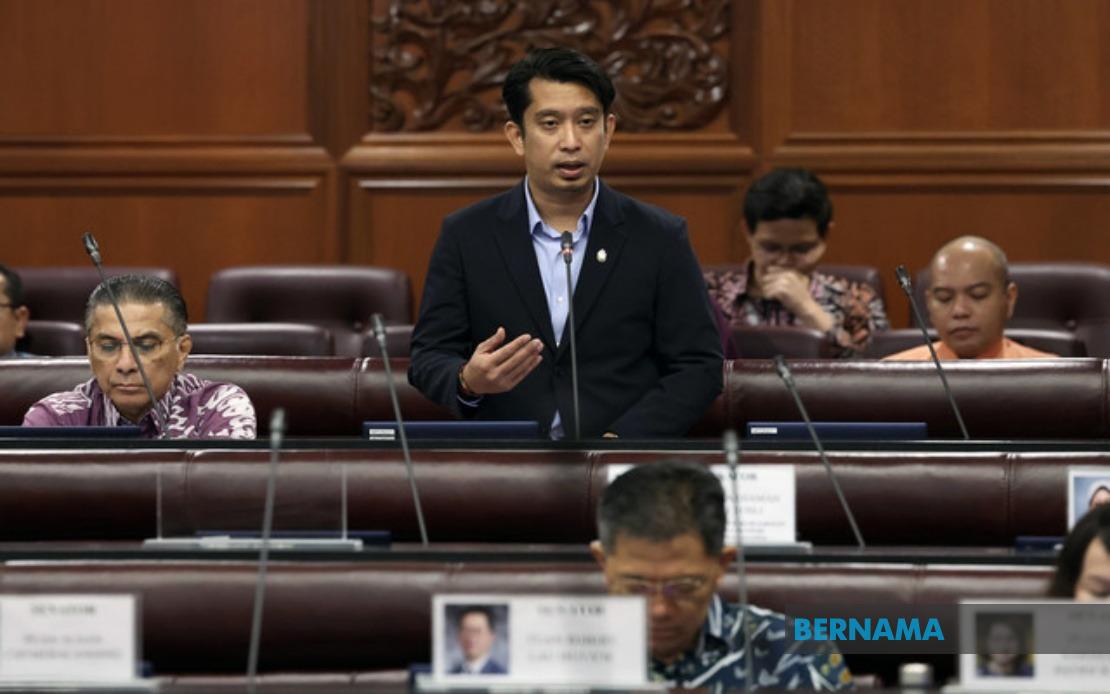
Malaysia's higher education institutions possess the authority to terminate internship placements and bring students back to campus if safety hazards materialise, according to Deputy Higher Education Minister Adam Adli Abd Halim. Speaking during parliamentary proceedings at the Dewan Negara, he clarified that such interventions can be executed following safety assessments conducted by the universities themselves or in response to direct complaints from students that warrant immediate protective action. This policy framework comes amid heightened scrutiny of workplace safety standards for young trainees entering industrial environments across the country.
The ministry's statement represents a belated acknowledgment of systemic vulnerabilities exposed by a tragic incident at Saujana 1 water tower in Kuala Selangor on June 16, when a Universiti Putra Malaysia student died while conducting maintenance duties. The incident galvanised parliamentary scrutiny, with Senator Che Alias Hamid pressing the government on what mechanisms exist to verify that companies offering internship positions actually maintain adequate safety protocols. The fatality underscored a persistent gap between regulatory frameworks and on-the-ground implementation, particularly in high-risk sectors where inexperienced trainees work alongside potentially lethal industrial equipment.
Adam Adli emphasised that his ministry remains troubled by workplace accidents involving students in industrial training programmes, motivating continued investment in monitoring infrastructure and incident reporting channels. However, the statement notably avoided direct reference to the UPM incident, instead framing the policy as a general commitment to student welfare across Malaysia's tertiary education landscape. This approach sidesteps questions about accountability for the institutions and companies involved in the earlier tragedy, suggesting the focus has shifted toward forward-looking preventive measures rather than retrospective investigation.
Universities are now being directed to conduct substantially more rigorous evaluations before approving company placements, examining an organisation's historical safety performance, documented incidents, and reputation within their sector. For industries classified as high-risk—such as construction, utilities, manufacturing, and chemical processing—placement approvals will henceforth be conditional on companies demonstrating full compliance with safety requirements and operating comprehensive safety management systems. This tiered approach recognises that internship risks vary dramatically depending on workplace environment, with emerging engineers or maintenance technicians facing exponentially greater hazards than business or communications students.
Students destined for high-risk environments must now complete specialised safety training or obtain relevant certifications before commencing their industrial placements. Beyond formal qualifications, all trainees require pre-deployment briefings covering workplace safety protocols, health and occupational hazard awareness, proper use of personal protective equipment, emergency response procedures, and the formal channels through which to report workplace incidents or safety concerns. These preparatory sessions are intended to equip young workers with both practical knowledge and the confidence to escalate safety issues rather than continuing work in potentially dangerous conditions through fear of disrupting their academic progression.
Monitoring mechanisms during the active training period involve dual oversight from both university academic supervisors and assigned industry mentors, with oversight conducted through scheduled site visits, virtual check-ins where in-person visits prove impractical, examination of student progress documentation, and sustained communication channels. This supervisory structure creates multiple accountability layers, theoretically ensuring that dangerous working conditions cannot persist undetected through an entire training period. However, the effectiveness of such monitoring depends substantially on supervisor diligence, the frequency of check-ins, and whether students feel empowered to report violations without jeopardising their academic standing or employment prospects.
All industrial training students fall under the protective umbrella of the University Group Insurance Scheme, which provides financial and medical protection should trainees suffer accidents or emergencies during their placement duration. While insurance arrangements offer financial recourse following incidents, they represent compensation mechanisms rather than prevention strategies. The existence of comprehensive insurance coverage, however, does underscore institutional acknowledgment that workplace accidents involving students are foreseeable risks rather than unexpected anomalies, lending credibility to the argument that universities and government agencies bear responsibility for preventing such incidents through robust safety protocols.
For Malaysian universities and their partner institutions abroad, these requirements represent a significant administrative expansion and potential constraint on internship opportunities. Institutions must now maintain detailed records documenting company safety assessments, certification verification, and ongoing monitoring activities. Smaller companies previously offering casual placements may find compliance burdensome, potentially narrowing available opportunities for students in certain geographic regions or specialisations. Conversely, large corporations with established safety departments will gain competitive advantage in recruiting student interns, potentially creating geographic and economic disparities in training accessibility.
The policy announcement arrives amid broader regional conversations about student worker protections and corporate accountability in Southeast Asia's developing economies. Countries including Indonesia, Thailand, and Vietnam host millions of young trainees annually, frequently in manufacturing and construction sectors where safety standards lag developed nations. Malaysia's fresh emphasis on prevention mechanisms could establish a template for neighbouring countries wrestling with similar tragedies and regulatory inadequacies, though implementation effectiveness remains uncertain given historical enforcement challenges within Malaysian bureaucratic systems.
Critical gaps persist in the announced framework, particularly regarding enforcement mechanisms and consequences for universities or companies that contravene safety protocols. The statement offers no clarification on how the ministry will verify company compliance claims, who bears responsibility for periodic reassessments, or what penalties apply when institutions approve unsafe placements. Furthermore, questions linger about whether the current insurance scheme provides adequate compensation for permanent disability or fatality, and whether victim families receive support beyond financial settlements. These ambiguities suggest the policy, while representing progress, requires substantial operational detail before it can effectively shield Malaysia's student population from workplace hazards.

