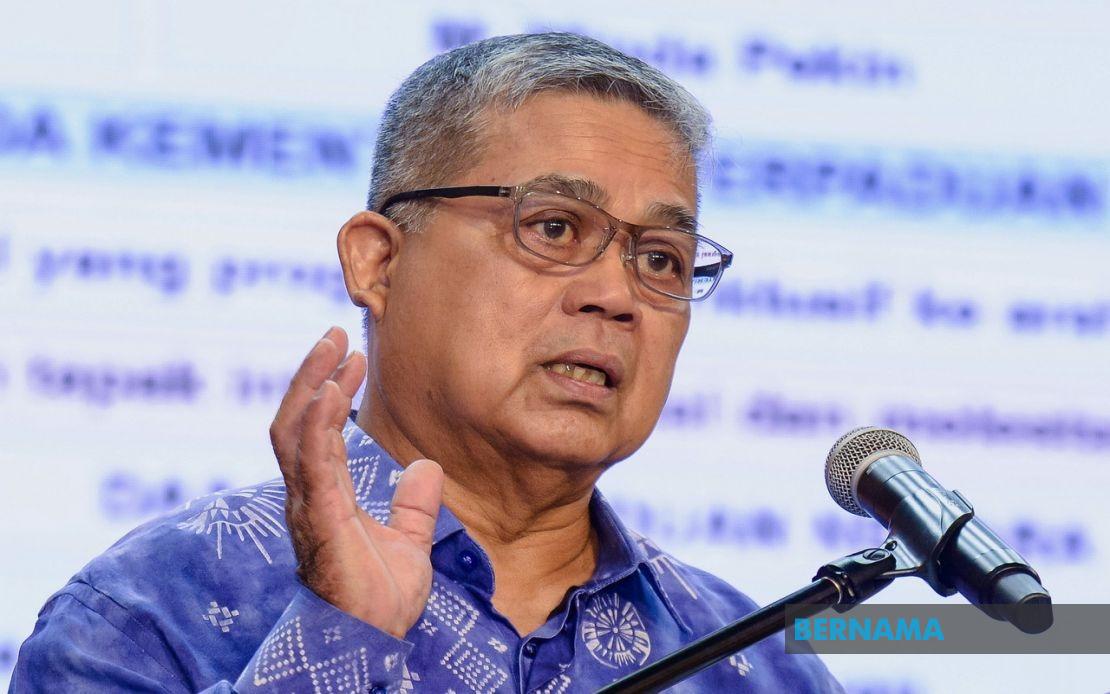
The National Unity Ministry has announced an ambitious plan to establish 1,280 certified community mediators across Malaysia by 2030, marking a significant investment in grassroots conflict resolution and social cohesion. Datuk Aaron Ago Dagang, the ministry's leader, framed this initiative as a cornerstone commitment within the 13th Malaysia Plan framework, which prioritises strengthening national unity through effective and sustainable management of disputes at the community level.
The initiative reflects a broader strategic shift towards decentralising dispute resolution mechanisms away from formal court systems. By training community-based mediators, the government aims to create accessible pathways for ordinary Malaysians to resolve conflicts peacefully without navigating expensive and time-consuming litigation. This approach aligns with international best practices in alternative dispute resolution, which emphasises preserving relationships and community bonds while addressing grievances through dialogue and mutual understanding.
A central pillar of the expansion strategy involves establishing twelve new community mediation centres by 2027, positioned strategically across Malaysia's geography to serve diverse populations. The selected locations reveal a deliberate effort to balance urban and suburban coverage alongside rural penetration. Centres will be located in Kota Kinabalu (Sabah), Kuala Lumpur, Pontian (Johor), Terengganu, Shah Alam (Selangor), Kulim (Kedah), Pahang, Machang (Kelantan), Labuan, Miri (Sarawak), Kamunting (Perak), and Jasin (Melaka), ensuring that no major region lacks accessible mediation services.
The financial accessibility of these services represents a critical differentiator from commercial alternatives. All mediation services operate entirely on a pro bono basis, removing cost as a barrier to participation and democratising access to professional dispute resolution. This fee-free model becomes particularly significant for lower-income communities and rural populations who might otherwise lack recourse except through formal courts, thereby potentially reducing the burden on Malaysia's judicial system while improving outcomes for vulnerable groups.
For Malaysian readers, the implications extend beyond mere administrative expansion. Effective community mediation addresses root causes of social friction before conflicts escalate into expensive legal battles or foster lasting community divisions. In a multicultural society such as Malaysia, where interfaith and inter-ethnic sensitivities require careful navigation, trained mediators serve as crucial bridges between communities, helping disputants understand differing perspectives and forge consensual solutions grounded in local context and shared values.
The initiative also carries economic advantages worth considering. Mediation typically resolves disputes faster and more economically than litigation, freeing court resources for more complex cases requiring judicial intervention. When communities can resolve neighbour disputes, commercial disagreements, or family conflicts internally, they preserve both time and financial resources that would otherwise flow into the legal system. For businesses and individuals alike, access to efficient dispute resolution mechanisms strengthens confidence in Malaysia's institutional infrastructure and reduces transaction costs associated with conflict management.
Strategic collaboration with local authorities forms another pillar of the expansion plan, recognising that community mediation functions most effectively when embedded within existing municipal and administrative structures. Local governments, neighbourhood associations, and community centres become distribution points for mediation services, leveraging existing community trust and infrastructure rather than creating entirely parallel systems. This integration approach proves more sustainable than standalone centres and ensures that mediation services remain responsive to local needs and culturally sensitive.
The human capital development dimension deserves particular attention. Training 1,280 mediators by 2030 requires establishing robust certification programmes, ongoing professional development, and quality assurance mechanisms to ensure consistent service standards across diverse locations and population groups. These mediators become ambassadors for peaceful conflict resolution within their communities, modelling principled negotiation and demonstrating the viability of alternatives to confrontation or litigation. Beyond their formal roles, they influence community culture by normalising dialogue as the default approach to resolving differences.
The timing of this expansion reflects Malaysia's broader development vision articulated through Malaysia MADANI, which emphasises inclusive prosperity and social harmony as prerequisites for economic advancement. Persistent community conflicts drain resources, damage social cohesion, and create instability that undermines investment and development efforts. By proactively building mediation capacity, the government signals commitment to addressing conflict at source rather than managing symptoms through reactive interventions.
Regional comparisons highlight Malaysia's positioning within Southeast Asian dispute resolution landscapes. Several neighbours have successfully scaled community mediation initiatives, from Indonesia's neighbourhood-based systems to Thailand's alternative dispute resolution frameworks. Malaysia's structured approach, combining certified professionals with institutional support, potentially positions it competitively for regional leadership in community-based conflict management, while creating exportable expertise and models for neighbouring countries facing similar social challenges.
Implementation success will ultimately depend on factors beyond ministry announcements. Public awareness campaigns must educate Malaysians about mediation availability and benefits, shifting cultural attitudes where litigation remains viewed as the default dispute resolution pathway. Training programmes must maintain rigorous standards while remaining geographically accessible to potential mediators in less urbanised areas. Funding mechanisms must ensure sustained operations beyond initial establishment phases, particularly in less densely populated regions where user volumes might not sustain centres through fee-based models.
The vision articulated by Datuk Aaron Ago Dagang represents recognition that social unity cannot be imposed through government directives alone but must be cultivated through accessible mechanisms enabling citizens to resolve their own conflicts constructively. Whether this ambitious target becomes reality depends on implementation rigour, adequate resourcing, and sustained commitment throughout the decade ahead. Nevertheless, the initiative itself demonstrates policy commitment to addressing conflict prevention at community roots, a foundation essential for long-term social stability and inclusive development across Malaysia's diverse landscape.

