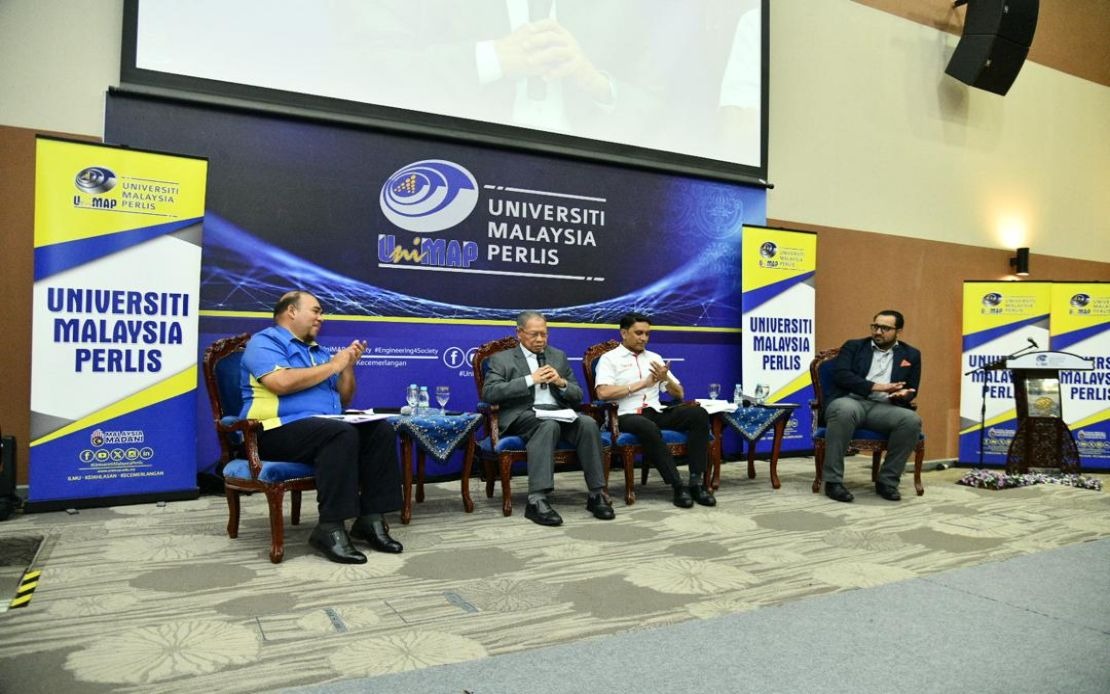
Universiti Malaysia Perlis (UniMAP) is emerging as a critical talent engine for Malaysia's ambitions in the semiconductor and electrical and electronics industries, graduating approximately 2,000 students each year to meet the escalating demand for skilled professionals in these strategically vital sectors. The university's substantial contribution to the workforce pipeline comes at a pivotal moment, as Malaysia seeks to consolidate its position as a global semiconductor manufacturing hub while building domestic technical expertise to sustain competitive advantage.
The university's commitment to this mission reflects broader national objectives embedded in the National Semiconductor Strategy (NSS), an ambitious policy framework designed to cultivate 60,000 trained workers and engineers by the end of the decade. UniMAP Vice-Chancellor Datuk Prof Dr Zaliman Sauli outlined the institution's integral role in realising this goal during the From Semiconductor Policy to Industry Forum: Driving Northern Malaysia's Transformation Towards a Global Technology Powerhouse, held at the university's Arau campus. According to the vice-chancellor, employment data from 2024 and 2025 demonstrates that more than 30 per cent of UniMAP graduates launch their professional careers within the E&E sector, a figure that underscores the relevance of the university's academic programmes to market requirements.
Seminars and forums like the one hosted by UniMAP highlight the growing recognition among policymakers and industry leaders that semiconductors have become fundamental to the modern global economy. These components power everything from consumer devices such as smartphones to emerging technologies including artificial intelligence systems, electric vehicles, and the vast server infrastructure underpinning cloud computing and data centres. For developing economies seeking to industrialise and compete in high-value manufacturing, semiconductor capability represents both an economic opportunity and a strategic imperative.
Malaysia's current standing in global semiconductor commerce is noteworthy. The country ranks as the world's sixth-largest exporter of semiconductors, commanding approximately seven per cent of global chip trade volumes. Beyond raw exports, Malaysia holds a commanding 13 per cent of the worldwide Assembly, Testing and Packaging (ATP) market, a sector segment that has historically been a strength for the nation's manufacturing base. This position reflects decades of investment in special economic zones, infrastructure, and workforce development, yet it also reveals potential vulnerabilities if Malaysia fails to innovate and upgrade its technological capabilities ahead of shifting global supply chain dynamics.
UniMAP's educational strategy extends well beyond traditional classroom instruction. The university is actively cultivating industry partnerships designed to create a seamless pipeline of talent into the semiconductor sector. These collaborative arrangements include Industry-on-Campus programmes, where companies establish presence within university facilities, alongside Industry Advisory Panels that help align curriculum with real-world requirements. International Adjunct Professors bring global expertise and perspectives into the classroom, while industry-recognised professional certification programmes offer students credentials valued directly by employers, reducing the transition gap between graduation and employment readiness.
The vice-chancellor's remarks emphasise a tripartite model of cooperation in which government, industry, and academic institutions function as interdependent stakeholders in Malaysia's semiconductor ecosystem. Government provides policy direction and strategic investment, industry articulates workforce needs and provides employment pathways, while universities furnish the foundational science education and specialised training that transforms students into competent technicians and engineers. This collaborative framework is increasingly recognised internationally as essential for nations seeking to build sustainable competitive advantages in knowledge-intensive sectors.
The forum drew participation from senior policy figures and corporate leaders positioned to shape Malaysia's semiconductor future. Former International Trade and Industry Minister Datuk Seri Dr Mustapa Mohamed contributed policy perspective, while the Northern Corridor Implementation Authority (NCIA), represented by Chief Executive Datuk Mohamad Haris Kader Sultan, brought regional development focus. Ahmed Zaki Moten, representing Micron Technology Inc Malaysia in a governmental and public affairs capacity, embodied the private sector voice, underscoring the international corporation's stake in Malaysia's continued development as a semiconductor location.
For Southeast Asian observers, UniMAP's trajectory carries broader implications. The region faces intensifying competition from established semiconductor powers and emerging rivals investing heavily in chip manufacturing and design capabilities. Malaysia's strategy of combining foreign direct investment in manufacturing with homegrown talent development through institutions like UniMAP represents one model for regional competitors considering their own pathways to semiconductor self-sufficiency. Thailand, Vietnam, and Indonesia are watching Malaysia's progress closely as they contemplate similar investments in technical education and industry policy.
The emphasis on producing 60,000 skilled workers by 2030 reflects realistic assessment of sectoral needs. Current global semiconductor shortages and supply chain vulnerabilities have demonstrated the danger of over-reliance on a handful of chip producers concentrated in Taiwan, South Korea, and the United States. Governments worldwide are incentivising semiconductor production within their borders, creating demand for workers faster than educational systems can typically respond. Malaysia's NSS acknowledges this dynamic and seeks to position itself advantageously within this reshuffled global landscape.
However, the success of such initiatives depends on more than university output alone. Graduate absorption into the semiconductor sector requires sustained industrial growth, competitive wage structures, and opportunities for technical advancement that retain talent domestically rather than encouraging emigration to higher-paying markets. The forum's participation by industry leaders suggests that companies operating in Malaysia recognise the mutual benefit of investing in workforce development, but sustaining this commitment through economic cycles remains a persistent challenge across developing economies.
UniMAP's annual output of nearly 2,000 graduates represents substantial human capital accumulation, yet it also places the institution under scrutiny regarding quality assurance and employment outcomes. The reported 30 per cent placement rate in the E&E sector is encouraging, though data on graduate salary levels, career progression, and long-term retention in the semiconductor industry would provide more complete assessment of whether the pipeline is producing the calibre of talent the sector requires. As Malaysia pursues its semiconductor ambitions, the quality of graduates matters as much as their quantity, particularly for advanced roles in design, process engineering, and technical leadership.
Moving forward, UniMAP and comparable institutions must remain responsive to technological change within semiconductors themselves. The industry is transitioning towards advanced chip architectures, artificial intelligence optimisation, and more sophisticated packaging techniques. Educational programmes must evolve in tandem with these shifts, ensuring that graduates possess not just foundational knowledge but exposure to cutting-edge methodologies and tools. International partnerships, visiting scholars, and industry-led teaching help bridge this gap, yet the pace of technological change in semiconductors may ultimately outstrip traditional academic cycles, necessitating greater emphasis on lifelong learning and professional development within the workforce.

