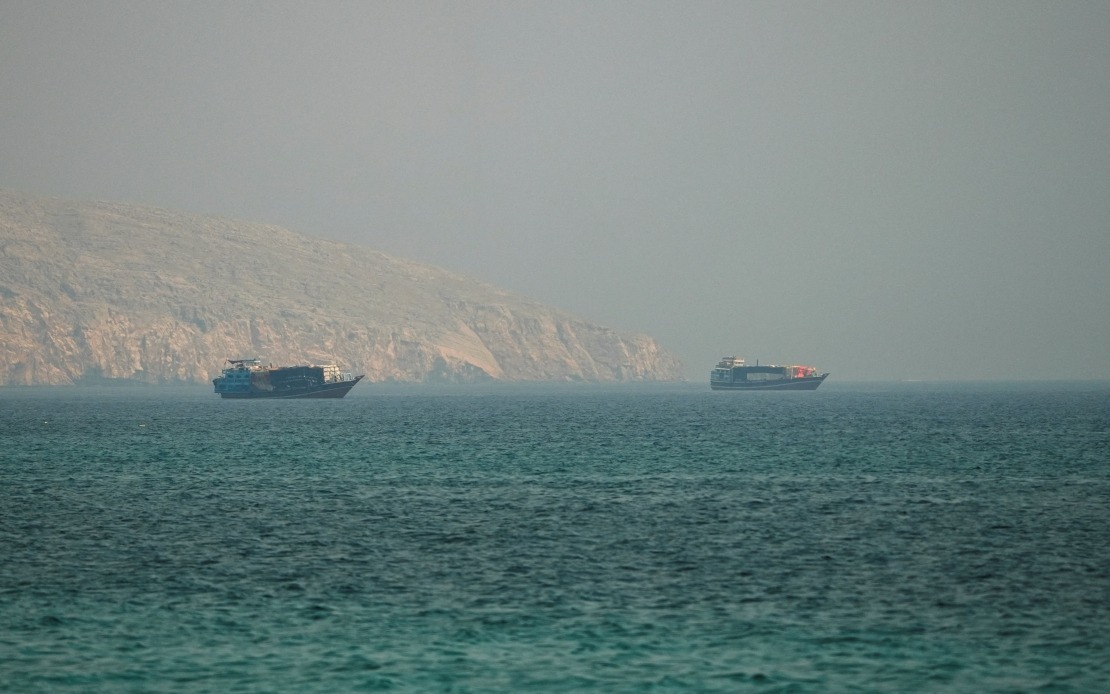
The United Nations' top diplomat has thrown his weight behind urgent calls to de-escalate mounting military tensions in the Persian Gulf, with Secretary-General Antonio Guterres appealing directly to Iran and the United States to cease hostilities and pursue diplomatic resolution. Speaking in Istanbul on Sunday, Guterres expressed profound alarm at the trajectory of recent confrontations, which have seen Iranian forces target commercial shipping in the Strait of Hormuz, retaliatory American military strikes against Iranian assets, and cross-border Iranian operations affecting neighbouring countries. The escalation pattern represents a dangerous inflection point that threatens to unravel years of fragile regional stability.
Guterres's spokesperson Stephane Dujarric articulated the Secretary-General's position in carefully measured language that nonetheless conveyed the gravity of the situation. The UN chief is "deeply concerned" by the renewed cycle of attack and counter-attack, which suggests that diplomatic channels have weakened considerably. This assessment carries particular weight given the United Nations' role as arbiter in international disputes and its responsibility to monitor compliance with international law. The nature of the incidents—maritime attacks in one of the world's most strategically vital waterways combined with strikes on terrestrial targets—indicates a multi-dimensional conflict rather than isolated provocations.
The humanitarian and geopolitical stakes could hardly be higher. Guterres warned explicitly that a return to full-scale military hostilities would trigger "catastrophic consequences" for the civilian populations of the Gulf region, who have endured decades of conflict and instability. Beyond the immediate human cost, the Secretary-General highlighted the existential threat to international peace and security architecture more broadly. A major Gulf conflict would likely drag in regional and global powers, fracturing consensus-based international governance at precisely the moment when multiple crises demand unified responses.
The economic dimension cannot be overstated, particularly for Malaysia and Southeast Asia. The Strait of Hormuz remains the chokepoint through which roughly one-third of the world's seaborne oil passes, making it critical infrastructure for the global energy market. Escalating military operations in this waterway would inevitably disrupt shipping lanes, trigger insurance premium spikes, and introduce volatility into petroleum markets. For energy-importing nations throughout Southeast Asia, including Malaysia, such disruptions translate directly into higher costs for consumers and businesses, constraining economic growth already pressured by global uncertainties.
Guterres's call for restoration of full freedom of navigation addresses this economic anxiety head-on. The UN chief recognises that even the threat of corridor closure creates cascading effects throughout global supply chains. Malaysia's position as a major shipping hub and petrochemical exporter means that any sustained interruption to Gulf shipping would reverberate through Malaysian ports and refineries. The regional trade network, so dependent on stable maritime commerce through Middle Eastern waters, faces genuine risk from the current trajectory.
Crucially, the Secretary-General did not merely issue warnings but offered a pathway forward. His appeal for Iran and the United States to "urgently return to negotiations" implicitly acknowledges that diplomatic channels remain open, however attenuated. Guterres called on both capitals to resolve outstanding issues through dialogue rather than force, positioning diplomacy as the rational alternative to escalation. This framing matters because it validates the principle that even seemingly intractable disputes between great powers can be addressed through sustained negotiation.
The UN chief's emphasis on "maximum restraint" from all parties reflects diplomatic tradition of even-handedness, but it also recognises that military escalation typically feeds upon itself through cycles of retaliation. Each attack invites response, which invites counter-response, narrowing the political space for de-escalation. By calling for restraint now, Guterres attempted to interrupt this momentum before it becomes irreversible. His statement effectively offered both sides an off-ramp before events spiral beyond control.
For regional observers including Malaysia, the UN intervention signals that the international community recognises the danger posed by unchecked Gulf militarisation. ASEAN has long maintained strategic interest in Gulf stability given the region's importance to Southeast Asian commerce and security. The Secretary-General's public stance provides diplomatic cover for other nations seeking to encourage de-escalation without appearing to favour either Iran or the United States. It also reinforces international law principles requiring disputes to be resolved peacefully rather than through force.
The backdrop to Guterres's intervention involves years of deteriorating US-Iran relations following Washington's withdrawal from the nuclear agreement in 2018. Subsequent sanctions and counter-sanctions have created a spiral of mistrust that makes dialogue difficult even when both sides recognise its necessity. The recent incidents suggest that the current trajectory leads toward uncontrolled conflict rather than managed coexistence. The UN chief's intervention, therefore, amounts to a last-ditch effort to prevent the situation from advancing beyond diplomatic rescue.
Guterres's warning about consequences for "the global economy" carries particular resonance given interconnected international systems. Malaysia's export-dependent economy, reliance on energy imports, and extensive shipping interests make it acutely vulnerable to Gulf instability. The statement implicitly acknowledges that in the modern world, distant military conflicts rapidly produce global economic consequences. This reality should focus policymakers' minds in Southeast Asia on supporting international efforts to de-escalate tensions before they threaten regional prosperity.

