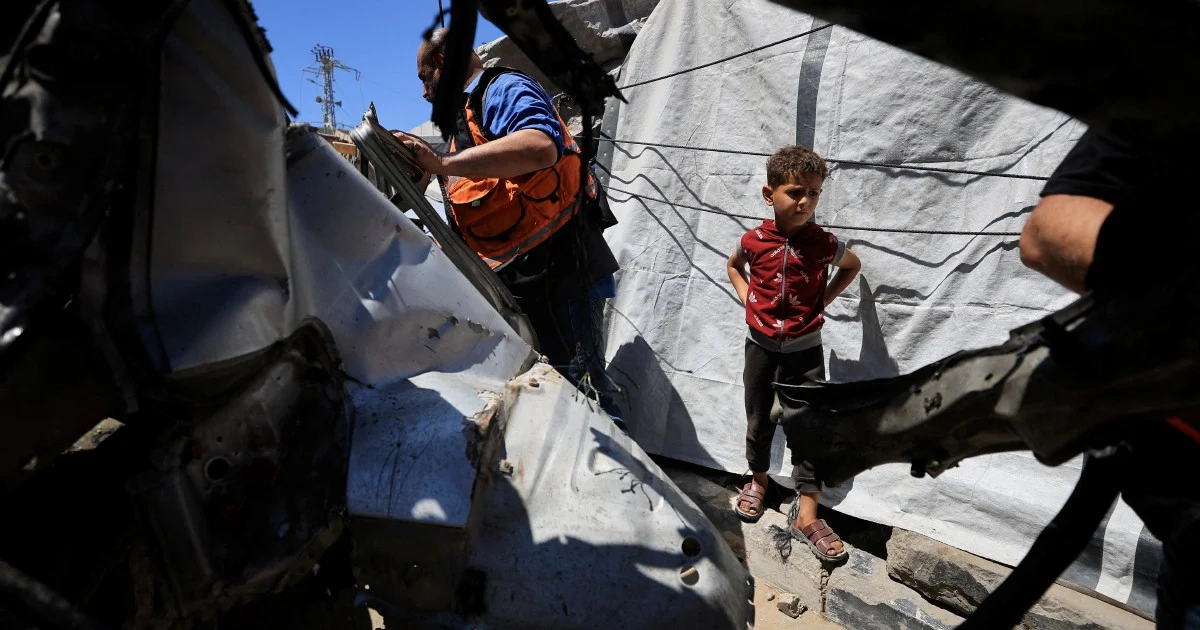
A damning investigation by United Nations inspectors released Tuesday contends that Israel is engaging in deliberate targeting of Palestinian children in Gaza, characterising such actions as integral to what the probe describes as an unfolding genocide. The findings, unveiled in Geneva, represent one of the most serious allegations levelled against Israeli forces during the ongoing conflict and have been vehemently disputed by the Israeli government.
The investigators' conclusions rest on evidence suggesting a systematic pattern rather than isolated incidents. The UN probe indicates that the targeting of children represents a deliberate military strategy rather than collateral damage from combat operations. This distinction carries profound legal and moral weight, as it implies intentionality in operations that have resulted in significant Palestinian child casualties. The report's framing of these actions within a genocide framework reflects the investigators' assessment that the scale and nature of harm inflicted on civilians, particularly vulnerable populations including children, meets international legal thresholds for such classification.
Israeli authorities have rejected the investigation's assertions, dismissing the report's conclusions as fundamentally flawed and politically motivated. The government has consistently maintained that its military operations in Gaza target legitimate military objectives and that civilian casualties, while regrettable, result from the complex urban warfare environment rather than deliberate policy. Israel's response highlights the stark divide between how different international actors assess the same conflict, a divide that has only widened as the military campaign has intensified.
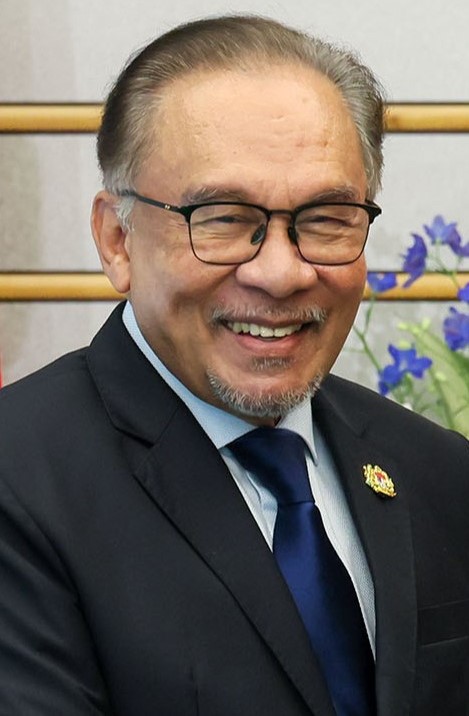
For Malaysia and the broader Southeast Asian region, the UN investigation carries significant implications for how international humanitarian law is enforced and interpreted globally. The credibility of international institutions increasingly depends on their consistency in applying human rights standards across different conflicts and geopolitical contexts. How regional nations respond to such investigations reflects their own commitment to international legal frameworks and their willingness to engage with contentious global governance questions regardless of diplomatic pressure.
The allegations concerning children assume particular weight within international humanitarian discourse. Under the Geneva Conventions and Rome Statute, targeting civilians—especially children—constitutes a war crime, while systematic targeting can meet the threshold for crimes against humanity. The UN investigation's framing suggests that investigators view the evidence as establishing not merely that children have been harmed, but that their harm has been pursued as a deliberate objective. This represents an escalation in the severity of accusations compared to earlier assessments that primarily focused on proportionality and distinction principles in warfare.
Documentation of civilian casualties in Gaza has become a central point of contention between international observers and Israeli officials. While casualty figures vary depending on source and methodology, the sheer scale of Palestinian deaths and injuries has made the humanitarian impact undeniable, even as parties disagree sharply about causes and intentions. The UN investigators' report contributes specific allegations about targeting patterns, which differs from mere statistical accounting of harm caused.
The investigation's genocide designation carries profound consequences for international accountability mechanisms. If findings of genocide gain traction within international courts or institutional bodies, they could trigger obligations under the Genocide Convention, including requirements for states to prevent or punish perpetrators. However, such determinations remain contested, with significant portions of the international community—including major powers—resisting genocide classifications while acknowledging serious humanitarian violations.
For Southeast Asian nations navigating these contested waters, the investigation presents a challenge to their stated principles regarding international law and human rights. Many regional countries have publicly expressed concern about Palestinian civilian suffering while avoiding explicit genocide terminology or direct accusations against Israel. The UN report, however, forces a clearer reckoning with what international investigators have concluded, potentially pressuring nations to take more defined positions on accountability and international justice.
The broader context of this investigation reflects ongoing tensions between investigating bodies pursuing accountability and state actors resisting external scrutiny. Israel, like many nations, has questioned the mandate and impartiality of UN mechanisms examining its conduct. These disputes over institutional legitimacy have consequences far beyond the immediate case, affecting confidence in international bodies that Southeast Asian nations may increasingly rely upon for protection of their own interests in an uncertain geopolitical environment.
Moving forward, the investigation's findings will likely influence discussions within international forums and potentially affect bilateral relationships and economic arrangements. How nations respond to such allegations—whether they endorse investigation mechanisms, support accountability processes, or resist particular framings—reflects their broader stance toward international governance and their willingness to maintain consistent positions regardless of strategic interests.
The allegations also underscore the persistent challenge facing journalists and researchers attempting to establish factual clarity in conflict zones. The competing narratives around deliberate targeting versus operational consequences reflect genuine differences in how evidence is interpreted and what conclusions are drawn from documented events. This evidentiary contestation matters not merely academically but for determinations of justice and accountability that will reverberate across international legal and diplomatic landscapes.