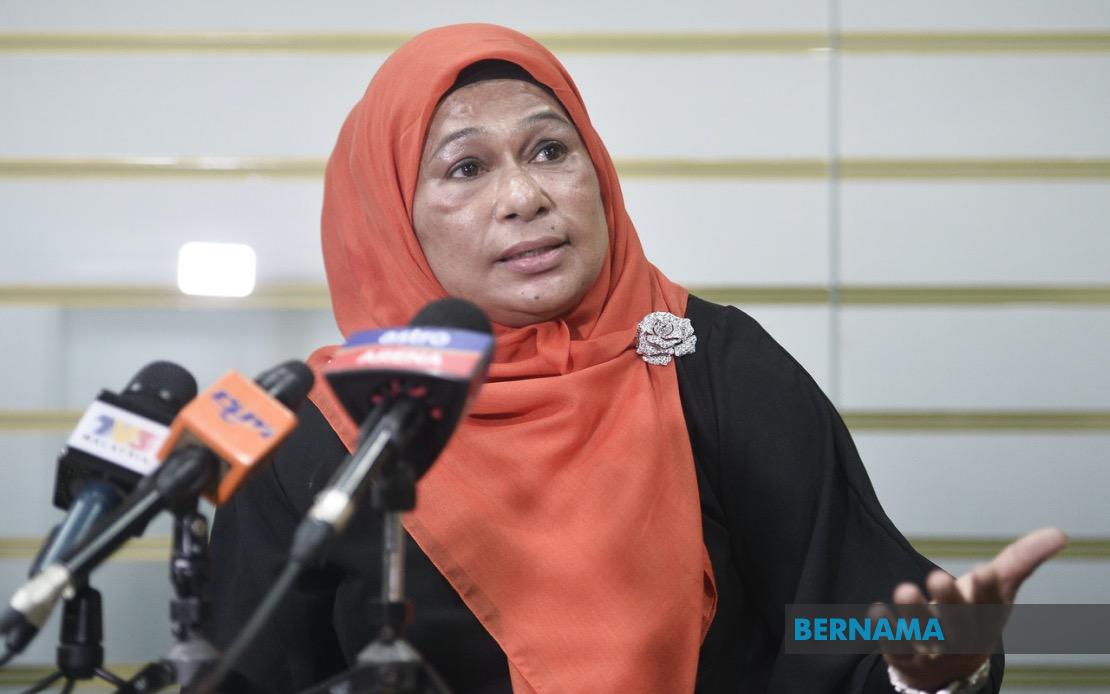
Two scientists from Universiti Malaysia Terengganu have landed a significant international research grant worth RM3.9 million to tackle the restoration of Malaysia's vital mangrove ecosystems over the coming three years. Associate Prof Dr Behara Satyanarayana of the Institute of Oceanography and Environment and Dr Giovanna Wolswijk from the Faculty of Marine Science and Environment will lead the initiative, which represents a substantial investment in addressing the degradation of these critical coastal habitats.
The funding comes from the Global Centre on Biodiversity for Climate, supported by the United Kingdom's Department for Environment, Food and Rural Affairs (DEFRA). The three-year endeavour, commencing in July 2026 and running until June 2029, carries the ambitious title REVIVE: Just Restoration and Equitable Value Chains for Inclusive, Viable Mangrove Ecosystems: The Case of Malaysia. This framing reflects a modern approach to conservation that recognises the inseparable link between ecological restoration and the economic welfare of the communities who depend on these landscapes.
The geographic scope encompasses four strategically important mangrove areas across three states. The Matang Mangrove Forest Reserve in Perak represents one of the most significant mangrove tracts in the region, while Sungai Acheh and Sungai Chenaam in Penang, along with the Setiu Wetlands in Terengganu, round out the focus zones. These locations were likely selected based on their ecological significance, existing conservation challenges, and the presence of local populations whose livelihoods intertwine with mangrove resources.
Mangrove forests occupy a unique ecological niche in Malaysia's coastal geography, simultaneously functioning as nurseries for commercially important fish species, carbon sinks of extraordinary potency, and barriers against storm surge and coastal erosion. Yet these ecosystems face mounting pressure from agricultural conversion, aquaculture development, urban expansion, and in many cases, undervaluation in economic terms. The REVIVE project acknowledges that successful restoration cannot be achieved through environmental science alone; it must simultaneously address the economic incentives that drive communities away from conservation practices.
Dr Wolswijk emphasised that the initiative aims to construct a mangrove restoration framework capable of simultaneously regenerating degraded ecosystems while enhancing the material circumstances of people living in coastal areas. This dual mandate reflects growing international consensus that conservation divorced from development considerations has limited sustainability prospects, particularly in developing economies where communities prioritise immediate livelihoods. By establishing fairer value chains and identifying sustainable economic opportunities tied to mangrove preservation, the project seeks to transform conservation from a constraint into an economic asset.
The research agenda encompasses multiple technical dimensions. Blue carbon mapping will quantify the carbon storage potential of mangrove stands, data increasingly valuable in global climate discussions and potentially relevant to carbon credit schemes. Ecosystem health assessments will establish baseline conditions against which restoration progress can be measured. Habitat restoration measures will address specific degradation patterns, while the investigation of particular challenges such as mangrove degradation, sand deposition, and the viability of mangrove-dependent industries will generate solutions tailored to Malaysia's specific environmental and socioeconomic context.
Mangrove-based livelihoods remain significant across Malaysia's coastal regions, though often underappreciated in policy circles. Fishing communities, particularly those engaged in juvenile fish and crustacean harvesting, depend fundamentally on mangrove health. Honey production, charcoal manufacturing, and traditional medicine harvesting also derive from these forests. The project's attention to value chain equity suggests it will examine how benefits from mangrove products flow through local economies and whether current arrangements adequately compensate those bearing the stewardship burden.
Community participation represents a cornerstone of the REVIVE methodology, reflecting lessons learned from conservation initiatives globally. Dr Wolswijk stressed that local stakeholders must function as strategic partners throughout all project phases, not merely as implementers of externally designed interventions. This commitment to participatory governance increases the likelihood that restoration outcomes will prove durable beyond the formal project timeline, as communities develop ownership stakes in long-term conservation success.
The international dimension of this funding deserves note for Malaysian science and policy audiences. That a UK government department channels resources toward Malaysian mangrove restoration reflects the globalised nature of environmental challenges and responses. Climate change impacts on Southeast Asian coastlines concern not only Malaysia but the broader international community, and mangrove carbon sequestration contributes to global mitigation efforts. This funding arrangement also signals that UK development priorities extend beyond traditional bilateral interests toward transnational environmental cooperation.
For Malaysian policymakers, this grant exemplifies how scientific research can attract international resources while addressing domestic environmental challenges. The three institutions involved—UMT's oceanographic and marine science faculties, DEFRA, and the Global Centre on Biodiversity for Climate—represent a collaborative model increasingly common in contemporary conservation research. Such partnerships potentially enhance the technical rigour and international visibility of Malaysian research while generating evidence bases for domestic policy development.
The broader context involves mounting recognition that Southeast Asia's mangrove extent has contracted sharply over recent decades. Malaysia has experienced loss rates comparable to regional averages, driven primarily by aquaculture conversion. Reversal of this trajectory requires not merely technical restoration capacity but alignment of economic incentives with conservation outcomes. The REVIVE project's emphasis on equitable value chains directly addresses this alignment challenge, making it architecturally distinct from restoration initiatives focusing narrowly on replanting protocols.
As the project commences implementation in mid-2026, it will generate data relevant to Malaysia's climate commitments and biodiversity targets. The blue carbon mapping will enhance understanding of mangrove contributions to national carbon accounting, potentially influencing how mangrove conservation factors into climate policy. Similarly, ecosystem health assessments will inform management decisions at state and federal levels regarding protected area designation and resource allocation.
The RM3.9 million investment represents meaningful commitment to addressing coastal environmental challenges through integrated approaches recognising the interdependence of ecological and human systems. For Malaysia's coastal communities, research institutions, and environmental policy landscape, the REVIVE project arrives at a moment when such integrated solutions prove increasingly urgent.

