Umno's performance in the recent Negeri Sembilan state election revealed an unusual pattern of electoral success that defies conventional demographic voting trends. The Barisan Nasional coalition managed to secure victories from candidates representing opposite ends of the age spectrum, demonstrating the party's continued appeal across diverse voter generations in the state.
Thirty-five-year-old Siti Nur Umaira Hasim emerged as the youngest winning candidate aligned with Barisan Nasional's coalition, capturing her seat and bringing fresh demographic representation to the state assembly. Her victory signals an ongoing effort by the traditional political establishment to attract younger voters and inject newer perspectives into state governance. The prominence of younger candidates has become increasingly important as parties attempt to rebrand their image and address concerns specific to millennial and Gen-Z constituencies.
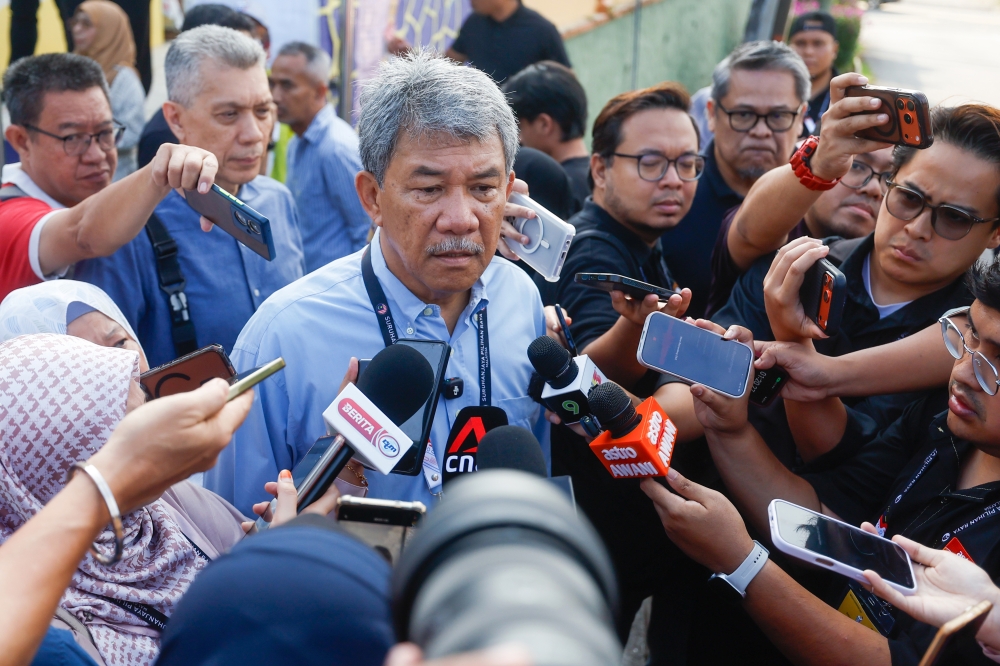
Conversely, an older Umno-affiliated candidate also claimed victory, establishing the party's dominance across the full spectrum of voter experience and community trust. This dual success at opposite generational poles underscores Umno's enduring organisational capacity to mobilise supporters regardless of demographic profile. The ability to win seats through both emerging political figures and long-established personalities reflects the party's institutional strength and its roots within multiple voter constituencies throughout Negeri Sembilan.
For Malaysian political observers, the significance of simultaneous generational victories extends beyond simple seat-counting statistics. The results demonstrate that traditional parties like Umno retain substantial capacity to compete effectively across different demographic segments, contrary to predictions that younger voters would definitively shift political alignment. While opposition parties have gained ground in recent elections, particularly among urban youth, Barisan Nasional's retention of younger candidates in winnable positions suggests the coalition has not ceded the generational battleground entirely.
Negeri Sembilan's electoral outcomes carry broader implications for Malaysian politics heading toward future national-level contests. The state has often served as a bellwether for national sentiment, and strong performances by Barisan Nasional across age groups may indicate resilience among the coalition in traditionally supportive regions. However, interpreting these victories requires careful examination of local factors, including constituent-specific development projects, regional politics, and individual candidate popularity rather than assuming they represent a comprehensive reversal of recent electoral trends favouring opposition coalitions.
Umno's strategy of fielding viable candidates across age demographics reflects calculated efforts to prevent generational segmentation that might otherwise disadvantage a party perceived as establishment-oriented. By ensuring representation from both political newcomers and experienced legislators, the party attempts to signal both continuity and evolution—critical messaging for voters concerned about governance capacity while remaining dissatisfied with aspects of current administration. This balanced approach differs from opposition parties, which have emphasised youth-centric leadership structures and frequently promoted first-time candidates as primary strategic assets.
The specific regional context of Negeri Sembilan also warrants attention, as the state maintains unique political characteristics within the Malaysian federation. Traditionally the heartland of Umno support, Negeri Sembilan's political culture emphasises personal connections between representatives and constituents, often prioritising local development outcomes over broader ideological positions. Candidates capable of delivering tangible benefits—from infrastructure improvements to business opportunities—frequently succeed regardless of age, and both successful Umno candidates likely benefited from reputation for local accessibility and constituent services.
Looking forward, these electoral developments will likely influence candidate selection strategies across major parties. Opposition coalitions may respond by intensifying recruitment of younger candidates who can effectively articulate generational concerns, while Barisan Nasional appears committed to maintaining balanced slates that appeal across demographic categories. The competition for younger voters remains genuinely contested terrain in Malaysian politics, with no single coalition having established decisive advantage among any particular age group during recent electoral cycles.
The Negeri Sembilan results also reflect broader challenges facing Malaysia's political system regarding representation and succession planning. As the country's demographic profile shifts toward younger populations, political parties must ensure pathways exist for emerging leaders while retaining experienced practitioners. Umno's success in fielding both demographics suggests institutional flexibility, though critics argue the party requires deeper structural reforms to address governance concerns independent of candidate age or seniority. The true test of these electoral victories will emerge through policy implementation and constituent satisfaction in the months following the election.

