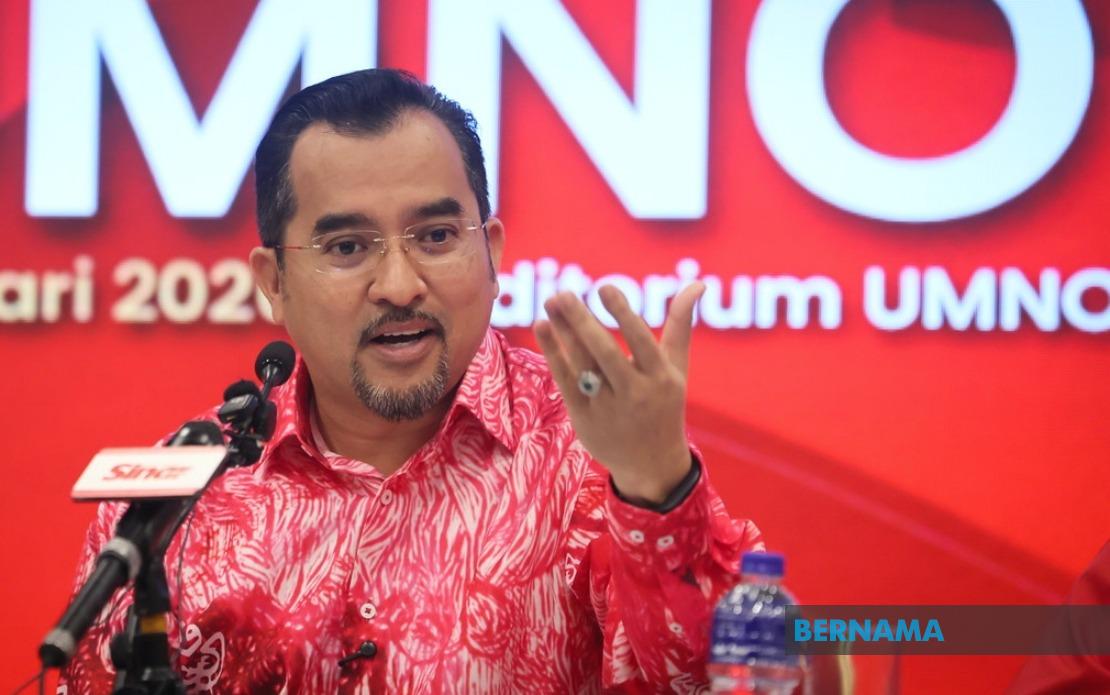
The unexpected departure of UMNO Supreme Council member Datuk Dr Mohd Puad Zarkashi from Malaysia's leading Malay-Muslim political party has exposed simmering tensions over candidate selection ahead of the Johor state election scheduled for July 11. According to party secretary-general Datuk Dr Asyraf Wajdi Dusuki, Puad's abrupt resignation on June 25 resulted from his dissatisfaction at the party's decision not to field his son as the candidate for the Rengit state assembly seat, a move that underscores the occasional friction between individual ambitions and party-wide nomination strategies.
Ashraf Wajdi's public disclosure of the circumstances surrounding Puad's exit, made through a detailed Facebook post, presents a starkly different narrative from the departing member's own announcement. While Puad framed his resignation as a voluntary step enabling him to express his views more freely, the secretary-general suggested a more transactional backdrop: that Puad had leveraged threats of defection and public criticism to pressure the party leadership into honouring his familial interests. According to Ashraf Wajdi's account, Puad had submitted extensive written correspondence warning that he would abandon UMNO and launch attacks against the party unless his son received the nomination for Rengit.
The revelation highlights a recurring pattern of political leverage within UMNO's internal ecosystem. Ashraf Wajdi claims that Puad had employed similar tactics during Datuk Seri Najib Tun Razak's tenure as party president, threatening to quit if he was not renominated as Member of Parliament for Batu Pahat. This historical precedent strengthens the secretary-general's assertion that Puad's resignation stems less from ideological conviction and more from disappointment over candidacy. The accumulation of such incidents underscores how personal political fortunes can drive organisational conflict within established parties, particularly when senior members believe their tenure and contributions entitle them to influence over succession and seat allocation.
Yet Ashraf Wajdi's response also contains a pointed ideological defence of UMNO's institutional boundaries. He explicitly rejected the characterisation of UMNO as a hereditary political party, emphasising instead that the selection of election candidates must reflect multiple considerations beyond bloodline or family connections. This statement carries weight given that Malaysia's political culture has occasionally been critiqued for allowing familial networks to dominate senior positions across various organisations. By publicly articulating this principle, Ashraf Wajdi seeks to reinforce UMNO's claim to meritocratic governance, even if implementation frequently lags behind rhetoric.
The secretary-general further attempted to neutralise Puad's separate allegation regarding palace interference in party affairs. Puad had claimed that the Johor royal institution directly controlled UMNO's Johor operations and had ordered the dissolution of the State Legislative Assembly. Ashraf Wajdi dismissed these assertions as slander, positioning them as a disgruntled senior member's attempt to delegitimise party decisions through inflammatory palace-related accusations. For UMNO, such claims pose particular reputational risks in Johor, where the monarchy commands substantial public reverence and where suggestions of political manipulation by royal quarters can generate broader scepticism about party leadership.
The timing of this internal rupture carries significance for UMNO's electoral prospects in Johor. The State Legislative Assembly was dissolved on June 1, with nomination day set for June 27 and polling scheduled for July 11. This compressed campaign calendar means that high-profile resignations by long-serving members risk damaging party morale and generating narratives of internal disarray precisely when UMNO needs to project unity and organisational competence. Puad's departure, coupled with Ashraf Wajdi's detailed rebuttal aired publicly, ensures that intra-party grievances dominate media discussion during the crucial period when candidates should be consolidating support in their constituencies.
For Malaysian political observers, the Puad episode illustrates broader tensions within established political parties operating in Malaysia's electoral environment. UMNO has historically balanced between accommodating senior members' political aspirations and maintaining institutional discipline around candidate selection. The party's dependence on veteran members for organisational machinery, fundraising, and grassroots mobilisation creates implicit leverage that ambitious seniors can exercise, yet UMNO's stated commitment to avoiding dynastic concentration of power requires the party to sometimes deny such requests. Navigating this balance remains perpetually challenging.
Ashraf Wajdi's assertion that UMNO's institutional mission transcends personal interests or family demands speaks to the party's broader ideological positioning. As an organisation claiming to champion Malay-Muslim interests and national stability, UMNO projects itself as embodying collective purpose rather than factional or familial advancement. However, the frequency with which such reminders must be issued suggests the principle requires constant reinforcement, implying that individual ambitions regularly threaten this institutional narrative. The Puad case exemplifies this recurring tension rather than representing an aberration.
Puad's shift away from UMNO creates space for alternative political configurations in Johor's competitive landscape. As a long-serving senior figure with district-level networks and accumulated political credibility, his departure potentially opens opportunities for other parties to recruit his support or that of his political associates. Whether Puad gravitates toward joining another established party, operating as an independent voice, or temporarily withdrawing from active politics will influence how his departure reshapes electoral dynamics in constituencies where he maintains influence. The Rengit seat, specifically, may attract candidates seeking to capitalise on potential discontent among Puad supporters regarding the candidacy decision.
For UMNO's senior hierarchy, Puad's public exit and Ashraf Wajdi's equally public response represent a calculated gambit to control the narrative around internal selection processes. By emphasising that Puad threatened the party unless his personal demands were met, UMNO leadership aims to frame the departure as reflecting individual petulance rather than legitimate party grievance. This rhetorical strategy seeks to insulate UMNO against broader accusations that candidate selection processes lack transparency or fairness. Yet the very fact that such detailed explanations require public circulation suggests that UMNO's internal processes may benefit from greater transparency during candidate selection phases in future electoral cycles.

