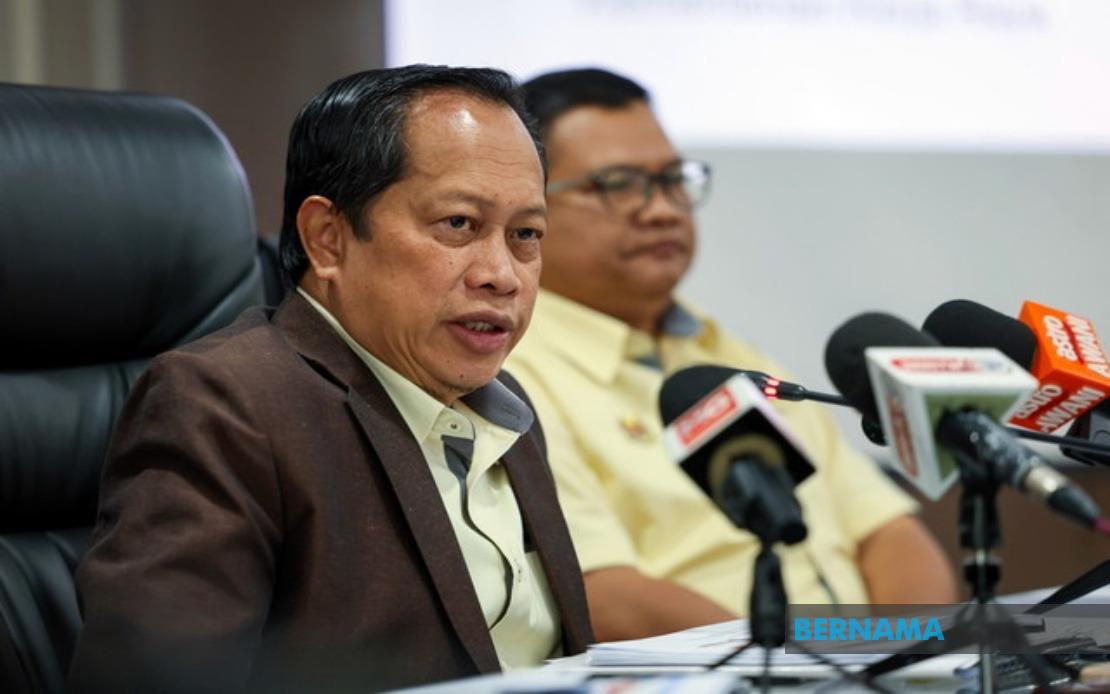
The leadership of UMNO faces a critical juncture as it prepares to chart the party's political course for the impending Melaka state election, with a decisive meeting scheduled for August 28 at which senior officials will evaluate whether to contest independently or forge alliances with other major political blocs. The gathering of the UMNO Supreme Council, to be presided over by party president Datuk Seri Dr Ahmad Zahid Hamidi, will serve as the formal platform for resolving strategic questions that have dominated political discussion in the state over recent weeks, according to Datuk Seri Dr Ahmad Maslan, a council member and Deputy Works Minister.
Central to the August 28 deliberations will be the question of UMNO's relationship with potential partners in the contest for state power. While media reports and statements from various UMNO figures in Melaka have circulated regarding possible cooperation arrangements—both with Pakatan Harapan and with Perikatan Nasional—Dr Ahmad Maslan underscored that no binding determination has yet been reached on the matter. The uncertainty reflects the complexity of navigating coalition politics at the state level, particularly given the intricate arrangement that governs federal governance through the Unity Government framework.
Dr Ahmad Maslan stressed that whatever decision emerges from the Supreme Council proceedings must command unity within the UMNO structure, emphasising that party discipline and collective adherence to the chosen path are essential prerequisites for electoral success. His comments signal that UMNO is acutely aware of the need to avoid public factional disputes that could undermine its standing, a concern particularly acute given that internal divisions have historically weakened Barisan Nasional's competitive position in state contests. The Deputy Works Minister's insistence on party cohesion reflects acknowledgment that Melaka's outcome could carry implications beyond the state itself, potentially signalling the broader direction of coalition politics throughout Malaysia.
The political landscape in Melaka has been shaped substantially by the outcome of the 15th state election, in which Barisan Nasional secured 21 of the 28 available seats, establishing clear dominance at the ballot box. Pakatan Harapan captured five seats in that contest, while Perikatan Nasional obtained two, positioning both opposition blocs as minority forces in the state legislature. The current composition of the state executive council, however, presents a more complex picture: while dominated by BN members, the council's membership also incorporates assemblymen from Pakatan Harapan, reflecting the power-sharing architecture of the federal Unity Government that has reshaped Malaysian politics since 2022.
This unusual state-level arrangement, whereby the ruling coalition includes representatives from traditionally opposed parties, creates both opportunities and complications for the upcoming election strategy. On one hand, UMNO might leverage the existing working relationships and demonstration of consensus-based governance to appeal to voters fatigued by confrontational politics. On the other hand, explicit alliances formalised for the state election could complicate the current delicate equilibrium, potentially prompting reassessment of positions by coalition partners or raising questions among voters about the coherence of UMNO's political identity and direction.
The mandate of the existing Melaka state government is scheduled to expire on December 31, providing a definite horizon for campaign planning and decision-making. This timing requirement means that UMNO's Supreme Council deliberations on August 28 are not merely theoretical exercises but urgent necessities driving toward a concrete electoral contest within a defined timeframe. The approaching expiration date intensifies pressure on party leadership to resolve uncertainties and communicate a coherent strategy to party members and the broader electorate.
The strategic calculus facing UMNO involves weighing several competing considerations. A solo contest under the Barisan Nasional banner would allow UMNO to emphasise its independent authority and appeal to voters seeking a single, unified governing force. Conversely, formalised cooperation with Pakatan Harapan would extend the federal Unity Government model into the state arena, potentially reinforcing the narrative of broad consensus and political maturation. A coalition with Perikatan Nasional, by contrast, would represent a fundamental realignment of state-level politics, abandoning the existing executive council partnership and signalling a shift in national coalition dynamics.
For Malaysian observers and regional analysts, the UMNO Supreme Council meeting carries significance extending beyond Melaka's borders. Decisions taken in this gathering may foreshadow the direction of coalition politics across other state elections and could influence the configuration of forces leading toward the next federal general election. The choice between continued cooperation with Pakatan Harapan versus alignment with Perikatan Nasional carries implications for the broader architecture of Malaysian governance and the relative positioning of the country's major political blocs.
Dr Ahmad Maslan's repeated emphasis that the political approach adopted must account for state-specific circumstances reflects recognition that Melaka's characteristics—its geography, demographics, economic profile, and existing political alignments—may warrant a strategy distinct from approaches taken elsewhere. This acknowledgment of local variation suggests UMNO's leadership understands that cookie-cutter national strategies may prove ineffective in contests where state-level considerations predominate and voter priorities may diverge from federal political preoccupations.
The convergence of internal party decision-making, coalition politics, and electoral preparation creates a complex environment in which the August 28 meeting will attempt to forge consensus. UMNO's challenge involves balancing the preferences and concerns of different internal factions, managing relationships with coalition partners at both state and federal levels, and crafting a message that resonates with Melaka voters. The Supreme Council's deliberations will reveal not merely a tactical choice about electoral partnerships but the fundamental strategic orientation that UMNO believes best serves its interests in an increasingly fluid political environment.

