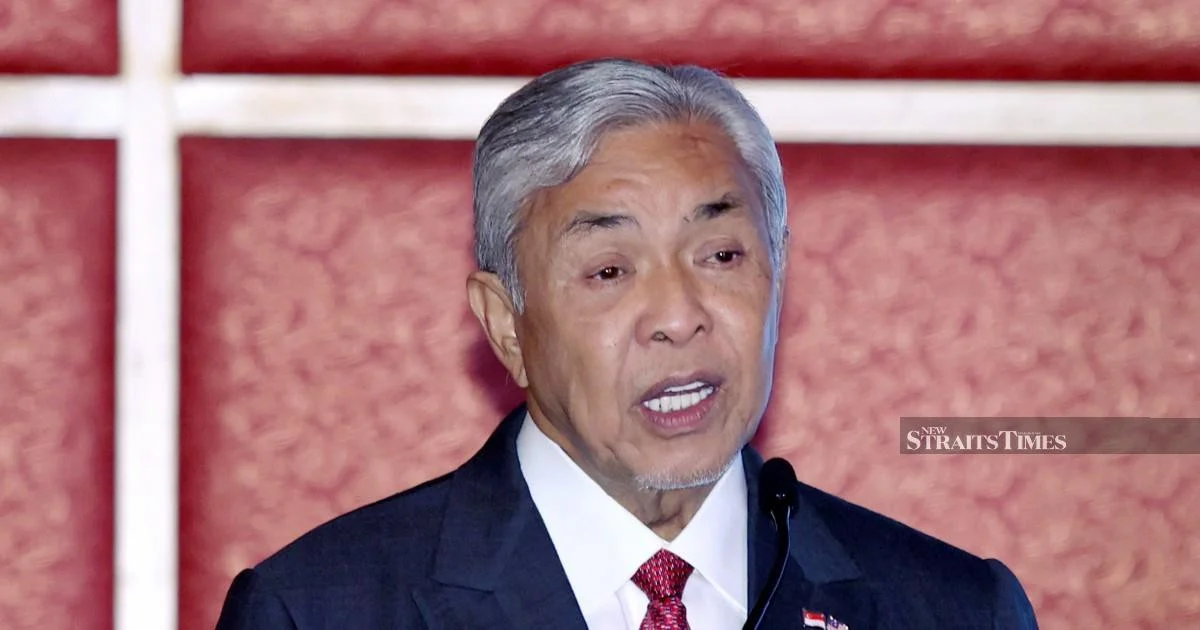
Umno has categorically denied reports that it has struck a deal with Pas over contested seats ahead of the Negri Sembilan state election, with party president Datuk Seri Dr Ahmad Zahid Hamidi firmly dismissing such claims during a public statement. The denial comes amid swirling speculation about potential coalition arrangements between the two major Islamic-oriented parties as both prepare their election machinery for what is expected to be a competitive contest in the state.
Zahid's statement represents a significant clarification on Umno's electoral strategy, particularly given the heightened sensitivity surrounding seat distribution within the wider Barisan Nasional coalition and the party's broader positioning within Malaysia's fractious political landscape. The Umno leadership appears determined to quash rumours that could complicate internal party dynamics or invite criticism from coalition partners who might interpret any bilateral arrangement as sidelining their own interests in the crucial contest.
Negri Sembilan, traditionally a bastion of Umno strength, remains strategically important for the party's political fortunes. The state represents both a bellwether of grassroots support and a significant contributor to parliamentary representation. Any seat-sharing arrangement with another party would normally require formal announcement and coordination through established coalition mechanisms, yet the informal nature of such negotiations often generates speculation and counter-claims among political observers and media outlets.
Pas, as an Islamic party with substantial presence in several states, frequently engages in coalition discussions with Barisan parties at the state level. However, formal agreements require transparency and coordination with the larger coalition framework, which neither party appears willing to breach at present. The timing of these denials suggests that both parties may still be in preliminary discussions about potential cooperation, though neither wishes to signal weakness or exclusivity prematurely.
For Malaysian voters and political analysts tracking the landscape of coalition politics, Zahid's statement underscores the complexity of managing electoral arrangements in multi-party systems. Umno's insistence on autonomy in seat selection reflects the party's determination to maintain control over its own electoral fortunes while preserving flexibility in negotiations with coalition allies. This approach has become standard practice in Malaysian politics, where public declarations of "no agreement" often mask ongoing backdoor discussions.
The broader context here involves understanding how Barisan Nasional manages internal coordination across its component parties. While the coalition officially operates as a unified entity, individual parties retain significant negotiating power, particularly in state-level elections where local dynamics may diverge from national considerations. Umno's dominance within Barisan means its positioning often sets the tone for coalition arrangements, though other parties continually press for equitable treatment and fair representation.
From a Southeast Asian perspective, Malaysia's coalition politics exemplify the balancing act required in plural democracies where multiple parties must cooperate while maintaining distinct identities and electoral appeal. The public denials and private negotiations characteristic of Malaysian electoral politics reflect broader regional patterns where formal and informal arrangements coexist, sometimes creating contradictions that fuel public skepticism about political reliability and transparency.
For Negri Sembilan specifically, the electoral implications are substantial. The state government's composition directly affects policy implementation on local economic development, infrastructure, and social services. How seats are distributed between Umno and potential coalition partners therefore carries significance beyond mere numerical representation, influencing which party leaders will hold chief ministerial and major cabinet positions.
The rejection of seat-sharing claims may also signal Umno's confidence in its ability to contest seats independently without requiring special arrangements with Pas. Alternatively, it could reflect Umno's preference to maintain such discussions confidentially rather than allowing public scrutiny of negotiations that might expose internal disagreements or suggest desperation for coalition support. Either interpretation speaks to the strategic calculations involved in contemporary Malaysian electoral politics.
As Negri Sembilan moves toward election polling, stakeholders will likely continue monitoring for any formal announcements regarding seat allocations and coalition arrangements. Zahid's categorical dismissal of current agreement claims does not necessarily preclude future understandings, particularly if electoral calculations or internal party pressures shift. The political landscape remains fluid, with parties maintaining public positions while exploring options behind closed doors—a characteristic feature of Malaysian coalition dynamics that frequently generates confusion among voters attempting to understand party alignments.

