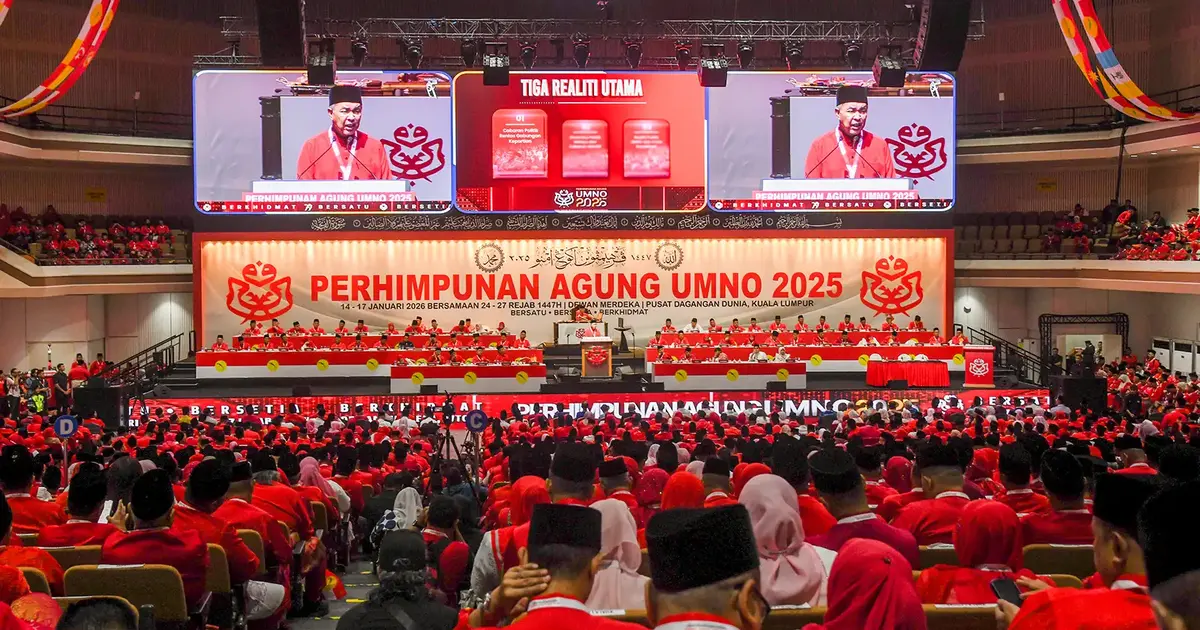
Tensions have surfaced within Umno's Negeri Sembilan machinery following the distribution of parliamentary and state seats that has seen Perikatan Nasional secure 11 state assembly constituencies in the peninsular state, according to reports circulating within party divisions. The allocation, which represents a significant share of the 36 seats in the Negeri Sembilan State Assembly, has sparked considerable grumbling among grassroots Umno leaders who view the arrangement as unfavourable to the party's interests.
The discontent appears particularly acute regarding the four seats assigned to Wawasan, a newer political entity participating in its inaugural electoral contest. Multiple divisional leaders have pointed out the apparent incongruity of providing such a substantial allocation to a party making its first appearance in state elections, especially when established Umno branches with deeper historical roots and organisational infrastructure have received comparatively fewer seats. This grievance reflects broader concerns about meritocratic principles in coalition seat-sharing arrangements, where traditional parties fear being sidelined despite their historical contributions and established voter bases.
The seat distribution issue illuminates fundamental tensions within Perikatan Nasional's internal dynamics. As the coalition comprising Umno, Perikatan Semangat Azza (PAS), and other partners including Wawasan navigates complex negotiations over electoral representation, decisions made at the national level often generate unexpected consequences at divisional and grassroots levels. In Negeri Sembilan specifically, where Umno maintains substantial organisational presence and has historically commanded significant electoral support, the allocation appears to have bypassed normal consultation channels that typically would have smoothed local sensitivities.
The emergence of Wawasan as a coalition participant represents part of the broader political realignment reshaping Malaysia's electoral landscape. However, the rapid elevation of this party to meaningful seat allocations before it has demonstrated electoral credibility or established genuine grassroots support has created friction within the coalition's older and more established components. Umno leaders in the state are questioning whether such generosity toward new coalition members adequately reflects either electoral mathematics or the institutional investments that longstanding parties have made.
For Malaysian politics generally, this episode illustrates the persistent challenge of managing coalition arithmetic without demoralising core party workers. When seats are allocated not strictly according to electoral performance or organisational capability but rather as strategic inducements to political allies, inevitable dissatisfaction emerges among activists who perceive themselves as undervalued. In Negeri Sembilan's case, this dissatisfaction has already surfaced publicly, suggesting that internal management of the coalition arrangement may require adjustment before the actual electoral campaign commences.
The Negeri Sembilan situation also carries implications for seat-sharing negotiations in other states where similar coalitional complexities exist. If Umno divisions can openly express frustration about seat distributions in one state without apparent party sanctions, it creates expectations and precedents elsewhere. Other state organisations may interpret Negeri Sembilan's vocal dissatisfaction as permission to voice their own grievances, potentially fragmenting coalition unity at a critical moment when presenting a consolidated front would strengthen electoral prospects.
From a broader Southeast Asian perspective, Malaysia's coalition politics demonstrates the fragility of multi-party arrangements, particularly when power-sharing formulas lack transparent or accepted metrics. Unlike single-party dominance, coalitional governance requires constant negotiation and compromise, yet these negotiations often occur opaquely, creating suspicion among those excluded from decision-making circles. The Negeri Sembilan controversy thus offers a textbook illustration of how poorly communicated political decisions can undermine coalition cohesion.
For prospective voters in Negeri Sembilan, the internal coalition tensions raise questions about whether the alliance can maintain discipline during campaigning. Divisions within the ruling coalition, even over seemingly technical matters like seat allocation, can translate into reduced campaigning enthusiasm, fewer ground operations, and diluted messaging—all of which ultimately affect electoral competitiveness. Communities expecting coordinated coalition governance may instead encounter fragmented, half-hearted local campaigns if underlying resentments persist.
The question of whether coalition leadership will take corrective action—either by justifying the Wawasan allocations more persuasively or by recalibrating seat distributions—remains unanswered. Any adjustment at this late stage, however, risks appearing to reward dissent, potentially encouraging other disgruntled divisions to voice complaints. Alternatively, maintaining the current allocation risks entering the election campaign with a demoralised Umno machinery in a critical state, potentially affecting turnout and mobilisation efforts that typically determine electoral margins in competitive constituencies.
Ultimately, the Negeri Sembilan seat allocation controversy reflects deeper questions about coalition legitimacy and decision-making processes in Malaysian politics. When distribution decisions appear to lack transparent rationales or adequate consultation with affected party structures, they generate the very dysfunction they were designed to prevent. Whether coalition leaders can resolve these tensions without compromising electoral prospects remains a significant question as Malaysia's political system continues its complex evolution across multiple coalitional experiments.

