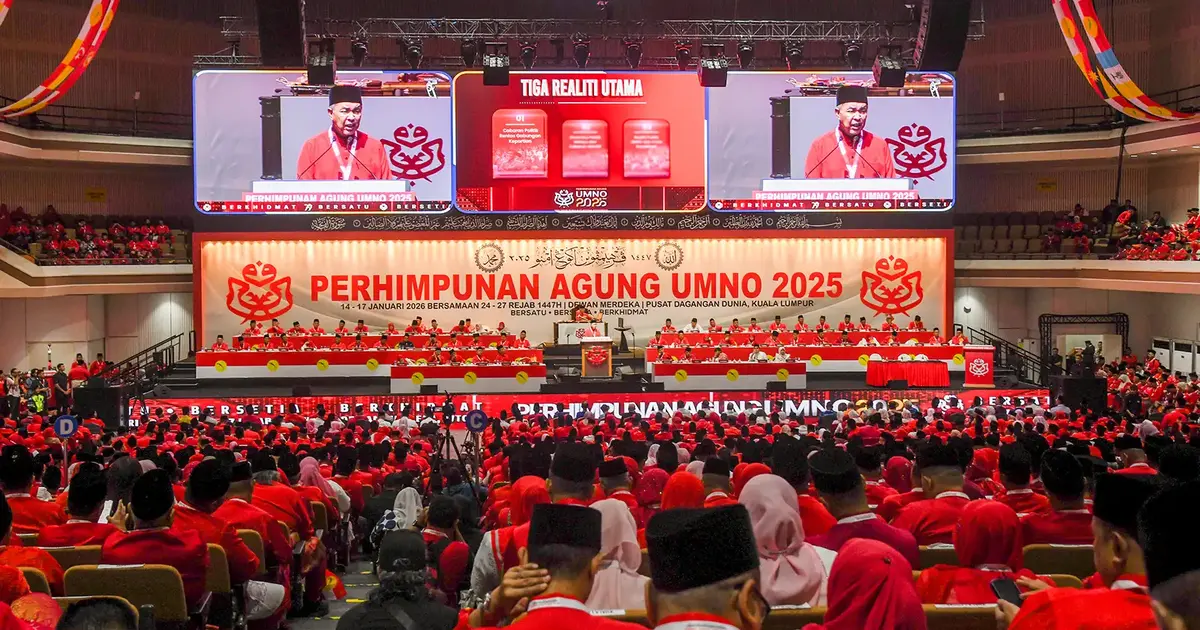
Frustration is mounting within Umno's divisional leadership over how the coalition's available parliamentary seats were distributed among its partners, with reports indicating deep unhappiness surrounding the allocation of eleven positions to PN-aligned parties. The tension points to underlying strains within the Barisan Nasional and PN framework that could affect campaign morale and voter mobilisation efforts ahead of the general election.
The dissatisfaction centres on what grassroots Umno officials perceive as an inequitable distribution that fails to reflect the party's dominance within the broader coalition structure. These division-level leaders, who bear responsibility for delivering ground-level support and coordinating campaign activities across constituencies, argue that the seat allocation does not adequately reward Umno's historical contribution to Malaysia's political landscape or its sustained organisational capacity across the country.
Particular ire has been directed at Wawasan, the newly-formed political vehicle, which has been granted four parliamentary seats despite contesting a general election for the first time. This allocation has generated substantial grumbling among Umno functionaries who view the party as lacking the institutional foundation and electoral track record that typically justifies such generous seat distribution. The grievance reflects a broader concern that established parties with proven voter delivery mechanisms are being sidelined in favour of emerging political entities.
The timing of these complaints carries significance for coalition dynamics in Malaysia. As parties prepare for electoral contests, internal cohesion becomes crucial for translating organisational strength into electoral victories. When division leaders—the intermediaries between national party leadership and grassroots activists—harbour resentment about resource allocation, that dissatisfaction can percolate downwards, potentially dampening campaign enthusiasm and affecting volunteer mobilisation in critical constituencies.
Wawasan's emergence as a political force represents a broader recalibration within Malaysian politics, particularly in how the PN alliance seeks to consolidate its appeal across different demographic and ideological segments. However, its rapid integration into seat-sharing arrangements, coupled with its preference allocation, has created friction with established parties that view their organisational maturity as deserving preferential treatment in seat distribution frameworks.
The allocation of parliamentary seats within coalition arrangements reflects fundamental calculations about power-sharing, representational balance, and future coalition stability. For Umno leaders at the divisional level, seat distribution decisions signal the party leadership's relative bargaining power within broader coalition structures and their willingness to advocate aggressively for the party's grassroots interests. When these leaders perceive that their party has been disadvantaged, confidence in upper-level negotiations becomes undermined.
Geographic distribution of the disputed seats adds another dimension to this conflict. If Umno leaders in particular regions believe that constituencies where they command substantial organisational support have been allocated to coalition partners, the frustration becomes localised and more acute. This can manifest as reduced voluntary campaign work or lukewarm support for partner parties during campaigning, subtly affecting overall coalition performance.
From a regional perspective, this episode illustrates how Malaysian coalition politics remains fragmented around questions of equitable burden-sharing and resource distribution. Unlike more institutionalised political systems where seat-sharing mechanisms operate according to established formulae, Malaysian coalitions continue to rely on ad-hoc negotiations that frequently disappoint at least some constituent parties. This perpetual source of tension creates vulnerability for coalition durability.
The complaints also highlight generational tensions within Umno between grassroots organisers and senior leadership. Division-level officials, who depend on volunteer energy and genuine party commitment for campaign success, resent what they perceive as strategic calculations by the national leadership that prioritise broader coalition management over the interests of frontline party members. This disconnect between strategic vision and grassroots reality represents an ongoing challenge for Malaysian political parties seeking to maintain internal cohesion.
Looking forward, Umno leadership faces a delicate balancing act. Acknowledging divisional grievances without appearing to undermine coalition partnership commitments requires careful communication and may necessitate reassurances about how seat allocation decisions factor into longer-term party interests and future coalition arrangements. Without such reassurance, these low-level grumblings could crystallise into more serious fractures affecting campaign effectiveness.

